






Unlocking the Vital Role of Environmental Services in Healthcare
 December 23, 2025

Healthcare environments are some of the most critical spaces in our lives, often visited during our most vulnerable moments. Ensuring these spaces are safe, clean, and welcoming is essential not only for patient comfort but also for infection control and overall safety. The environmental services (EVS) team plays a pivotal role in maintaining high standards of cleanliness and infection prevention, ultimately shaping the patient experience and safeguarding public health.
This comprehensive guide explores the multifaceted responsibilities of EVS professionals within healthcare settings, the skills and tools they utilize, and how a career in this field can be both rewarding and impactful. Whether you’re considering entering the profession or seeking to understand its significance, understanding EVS’s role is fundamental to appreciating how healthcare environments stay safe and effective.
What is EVS?
Environmental services (EVS), often referred to as housekeeping support within healthcare, encompasses the highly trained personnel responsible for cleaning, disinfecting, and maintaining hospital and clinic environments. Their work ensures that patient rooms, operating theaters, corridors, and medical equipment are sanitized according to strict standards, preventing the spread of infections. EVS staff undergo specialized training to handle biohazards, chemicals, and infection control protocols, making their role crucial in the healthcare ecosystem.
What is the Role of EVS in a Healthcare Facility?
EVS teams serve as the frontline protectors of healthcare environments, implementing rigorous cleaning and disinfection procedures that help prevent healthcare-associated infections (HAIs). These infections, acquired during medical care, pose significant health risks; statistics indicate that approximately one in 31 hospital patients contracts an HAI. Effective infection prevention programs led by EVS staff significantly reduce these risks, ensuring safer conditions for everyone.
Beyond infection control, EVS personnel influence the overall patient experience. Cleanliness is often the first impression patients have of a healthcare facility, and a well-maintained environment can foster a sense of trust and comfort. By interacting positively with patients and staff, EVS workers contribute to a healing atmosphere, which can directly impact hospital ratings and patient satisfaction scores like HCAHPS.
Infection Prevention
A core component of EVS duties involves implementing infection prevention strategies to minimize the transmission of pathogens. Proper cleaning protocols, disinfection techniques, and adherence to safety standards are vital in reducing the likelihood of HAIs. The effectiveness of these programs relies on continual staff training and the use of validated cleaning tools and technologies, such as UV-C light disinfection and ATP testing, which verify surface cleanliness.
Patient Experience
A hospital’s cleanliness profoundly affects patient perceptions and overall satisfaction. EVS teams are often the first and last staff members patients see, and their interactions can ease anxieties and promote healing. Their efforts are integral to creating a positive environment where patients feel cared for and safe, ultimately enhancing hospital reputation and patient outcomes.
What Does an EVS Worker Do?
EVS workers, also known as technicians, are skilled non-clinical professionals dedicated to maintaining hygiene standards throughout healthcare facilities. Their responsibilities include cleaning patient rooms, operating theaters, common areas, and equipment, ensuring all surfaces meet health and safety regulations. They are trained to handle hazardous materials safely and to use disinfectants effectively.
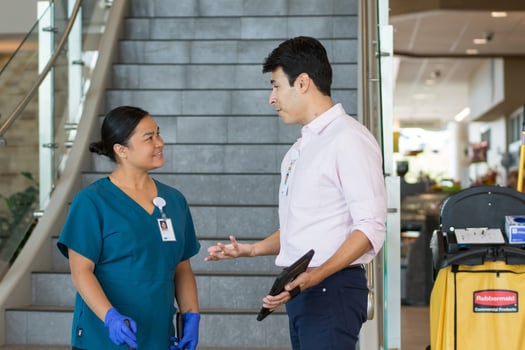
Building collaborative relationships with clinical staff and support teams is crucial for EVS success. Open communication and clear expectations foster teamwork, which directly benefits patient care and satisfaction. These relationships enable EVS workers to respond promptly to cleaning needs and maintain high standards consistently.
Tools for EVS Teams
To perform their duties efficiently, EVS teams rely on a variety of advanced tools, including hardware, software, and mechanized equipment. These tools enhance cleaning quality, operational efficiency, and safety.
AIDET
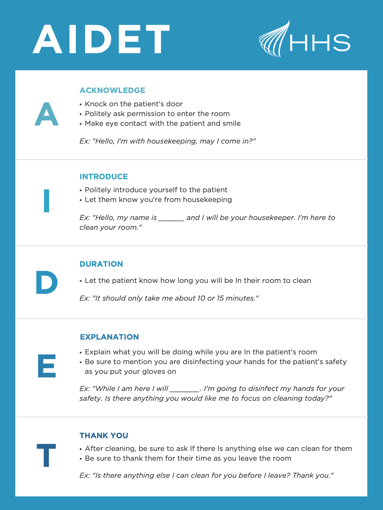
AIDET is a communication framework that helps EVS staff interact effectively with patients and visitors. Proper use of this technique can reduce anxiety, improve perceptions of care, and foster trust during stressful moments.
Innovative Technology in Healthcare Facilities
While EVS might not be traditionally associated with high-tech innovation, many emerging tools are transforming their work. Quality assurance (QA) technologies such as fluorescent marking with black light and ATP bioluminescence testing help verify cleaning efficacy, ensuring that protocols are followed correctly.
QA Tools
- Daily Visual Inspections: Using performance indicator (PI) tools, supervisors assess cleanliness, providing immediate feedback.
- Fluorescent Marking: Applying a special dye before cleaning and inspecting with a black light afterward confirms thoroughness.
- ATP Testing: Swabbing surfaces and measuring ATP levels with luminometers detect residual biological material, indicating potential contamination.
Robotics
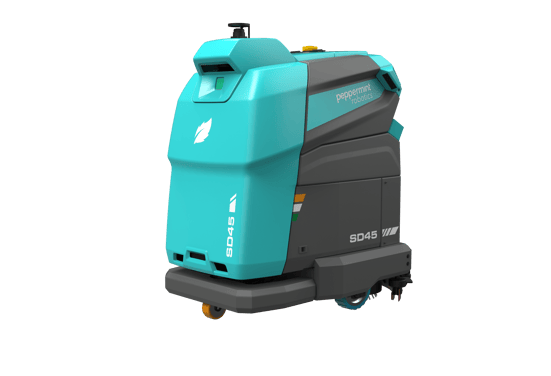
Automation and robotic cleaning devices are gradually becoming part of hospital hygiene routines. Companies like Peppermint Robotics develop autonomous floor scrubbers that enhance efficiency, reduce labor demands, and improve safety standards.
UV-C Light Technology
UV-C light disinfection has gained renewed interest, especially during the COVID-19 pandemic. UV-C devices can disinfect surfaces and air, providing an added layer of safety. Proper validation of UV-C protocols is essential to maximize effectiveness and safety.
Interesting:
- Unlocking the critical role of revenue cycle management in healthcare success
- Bridging language gaps the critical role of interpretation services in healthcare
- The vital role of remittance advice in healthcare billing and payments
- Unlocking the role of bpo in transforming healthcare operations
- The critical role of pharmacy hub services in modern healthcare

Environmental Services Training
Continuous education is fundamental in EVS to keep pace with evolving technology, safety standards, and infection control procedures. Effective training ensures staff can adapt to new tools and protocols, maintaining high standards of cleanliness and safety.
At organizations like HHS, managers are equipped with leadership skills to foster a positive work environment, motivating teams and ensuring compliance with procedures.
Key EVS Training Areas
- Hand Hygiene: Proper handwashing techniques are crucial in preventing the spread of HAIs. Training staff to improve compliance drastically reduces infection risks. Regular reinforcement is vital for sustained improvements.
- Safety & PPE: Proper use of personal protective equipment and adherence to safety protocols protect staff, patients, and visitors from hazards.
- Chemical Handling: Correct chemical use minimizes safety risks and ensures effective disinfection. Staying updated with advancements in cleaning agents and application methods is necessary for optimal performance.
Ongoing education on chemicals, technology, and procedures ensures EVS teams remain effective and compliant with healthcare standards.
Environmental Services Processes
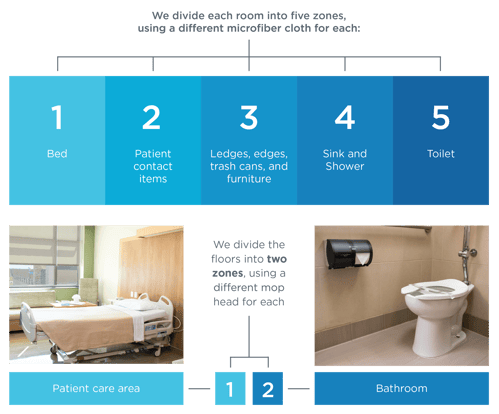
Standardized procedures guide EVS teams in executing cleaning and disinfection tasks consistently and effectively. The 5 Zone/2 Zone (5Z/2Z) cleaning method is widely adopted to prevent cross-contamination, especially in critical areas such as operating rooms and patient wards.
Daily team huddles and routine rounds reinforce these protocols, helping maintain high compliance levels and ensuring patient safety at all times.
How to Find an EVS Job
A career in environmental services offers meaningful work with tangible impacts on patient health and safety. EVS professionals typically work directly for hospitals or through outsourced support firms like HHS, which often provide additional training, career development opportunities, and better benefits.
When choosing an employer, consider factors such as organizational culture, investment in employee growth, and training quality. Companies that align with your values and prioritize staff development foster a more satisfying work environment.
3 Tips for Selecting the Right EVS Employer
- Cultural Compatibility: Research the company’s values and work environment. Finding a workplace that shares your principles can lead to greater job satisfaction and performance.
- Employee Development: Seek employers that prioritize ongoing training, competitive wages, and recognition programs, which contribute to a positive and motivating atmosphere.
- Support and Training Programs: A strong support system, including comprehensive training and leadership development, is essential for success in healthcare cleaning roles.
At HHS, we believe that investing in our team members leads to excellence. Explore our careers page for current openings and learn how you can grow in this vital field.
Benefits of a Career in EVS
Choosing EVS as a career path offers numerous advantages:
Job Security
With over 7,000 healthcare facilities across the U.S., EVS professionals are always in demand. The ongoing staffing shortages in healthcare make now an ideal time to enter this essential industry, promising stability and growth potential.
Job Satisfaction
Many EVS workers find fulfillment in their roles by knowing they contribute directly to patient safety and comfort. The work is impactful, and the gratitude from patients and staff can be deeply rewarding.
Career Advancement
The dynamic nature of healthcare creates opportunities for growth within EVS. Many employees advance to supervisory, managerial, or specialized roles in infection prevention or environmental management. Continuous training and certification can open doors to higher positions, including leadership roles like director or vice president.
The Critical Impact of EVS in Healthcare
EVS staff are integral to maintaining safe, clean, and healing environments in healthcare. Their diligent efforts reduce infection risks, enhance the patient experience, and quietly save lives through their attention to detail. Small interactions, such as a friendly greeting or a clean room, can significantly ease patient anxiety and promote recovery.
If you are seeking a career where your work truly matters and makes a difference every day, consider starting your journey in environmental services today. Your role is essential to health and healing.