






Unlocking the Power of Patient Satisfaction as a Key Healthcare Metric
 December 27, 2025
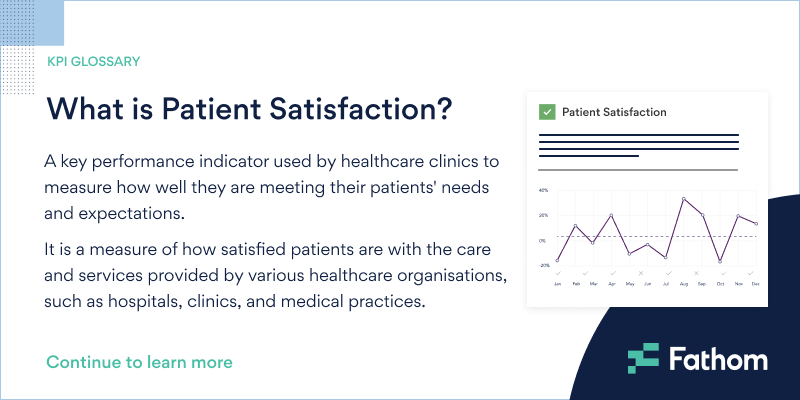
Improving healthcare quality is an ongoing challenge that requires reliable indicators to guide progress. One of the most vital measures in this effort is patient satisfaction—a critical key performance indicator (KPI) that reflects how well healthcare providers meet the needs and expectations of their patients. Understanding and effectively managing this metric can lead to enhanced care outcomes, stronger patient relationships, and overall organizational success. As the healthcare landscape continues to evolve, it becomes increasingly important for providers, administrators, and patients alike to grasp the significance of patient satisfaction, how it can be measured accurately, and practical strategies to improve it. This comprehensive overview aims to shed light on this essential KPI and its role in transforming healthcare experiences.
Patient satisfaction is not merely a number on a report; it embodies the patient’s perspective on their care journey. It encompasses their feelings about communication, wait times, treatment effectiveness, and the environment of care. Recognizing that each patient is a unique individual with specific needs underscores the importance of personalized, respectful, and compassionate care. For those involved in developing healthcare technology or digital tools, understanding the nuances of patient satisfaction is crucial. For example, when designing healthcare applications, attention to user experience can significantly influence satisfaction levels—see tips for developing effective healthcare apps. Similarly, innovations like augmented reality (AR) and virtual reality (VR) are now bridging gaps in patient education and engagement, revolutionizing how care is delivered and perceived by integrating XR technologies. Moreover, advances in artificial intelligence are helping providers tailor treatments and improve communication, further elevating patient experiences by making a difference in healthcare.
What is patient satisfaction as a KPI?
Patient satisfaction, as a KPI, measures how effectively healthcare organizations meet their patients’ needs and expectations. It is a reflection of the patients’ overall perception of the quality of care and services they receive. This metric is usually gathered through structured surveys that inquire about various aspects such as the clarity of communication, the professionalism of staff, the timeliness of services, and the comfort of the environment. These surveys can be conducted via multiple channels, including online platforms, telephone interviews, or face-to-face interactions, providing valuable insights into patient perspectives. The data collected enables healthcare providers to identify strengths and pinpoint areas requiring improvement, ultimately driving quality enhancement initiatives. Focusing on patient satisfaction not only fosters better health outcomes but also boosts patient loyalty and retention, which are vital for long-term organizational growth.
Why is tracking patient satisfaction important?
Monitoring patient satisfaction is essential for multiple reasons. Primarily, it provides a direct gauge of how well healthcare organizations meet the expectations and needs of their patients. When organizations actively track this KPI, they can identify specific service areas that need refinement—whether it’s reducing wait times, improving communication, or enhancing the physical environment. Research indicates that satisfied patients are more likely to adhere to prescribed treatment plans, leading to better health outcomes and reduced readmissions. This correlation emphasizes that improving patient satisfaction is not just about patient happiness; it is a strategic approach to achieving superior clinical results.
Furthermore, high patient satisfaction fosters trust and loyalty, encouraging patients to recommend their healthcare providers to others and to return for future care. These referrals and repeat visits translate into increased patient retention and revenue streams. Additionally, in many regions, patient satisfaction scores are tied to reimbursement and funding models, making it a vital component of financial sustainability. For healthcare organizations aiming to deliver high-quality, patient-centered care, consistently measuring and enhancing satisfaction levels is indispensable.
What are the limitations to consider when measuring this KPI?
While patient satisfaction offers valuable insights, it also presents some inherent challenges. One major limitation is its subjective nature; individual perceptions of care vary widely based on personal expectations, cultural background, and previous experiences. As a result, satisfaction scores may not always accurately reflect the actual quality of clinical care provided.
Response bias is another concern—patients may be inclined to give overly positive feedback out of politeness or fear of repercussions, leading to inflated satisfaction ratings. Additionally, survey design and administration timing can influence results; questions that are poorly worded or surveys that are administered immediately after stressful procedures may skew perceptions. The scope of surveys also matters, as they may not capture all facets of the patient experience, especially in diverse cultural or linguistic populations, which can affect the relevance and accuracy of the data.
Moreover, small sample sizes can limit the generalizability of findings, making it difficult to draw meaningful conclusions about overall organizational performance. Recognizing these limitations allows healthcare providers to interpret satisfaction data more responsibly and to implement measures that mitigate biases and inaccuracies.
How to calculate patient satisfaction
Calculating patient satisfaction involves analyzing survey responses to derive meaningful metrics. Common approaches include:
- Average Satisfaction Score: Calculating the mean of all individual scores across various survey questions provides a general measure of overall satisfaction.
- Net Promoter Score (NPS): This widely used metric assesses patients’ likelihood to recommend the healthcare provider, based on a 0-10 scale. The NPS is determined by subtracting the percentage of detractors (scores 0-6) from the percentage of promoters (scores 9-10). This score offers a clear indicator of patient loyalty.
- Top-box Rate: This measures the percentage of patients who rate their experience as “excellent” or “very good,” offering a focused view on high levels of satisfaction.
These metrics collectively help healthcare organizations understand their performance from multiple angles and identify specific areas for improvement.
What is the benchmark to target?
Benchmarking patient satisfaction involves comparing organizational scores to industry standards or internal goals. The industry averages are often derived from national surveys like the Consumer Assessment of Healthcare Providers and Systems (CAHPS), which provide a comprehensive overview of patient perceptions across different regions and specialties. Healthcare facilities typically aim to meet or exceed these benchmarks to ensure competitive quality.
Organizations may also establish internal targets based on their patient demographics and strategic objectives. For example, a clinic might set a goal to achieve a 90% or higher satisfaction rate. These benchmarks serve as motivation and measure progress, guiding continuous quality improvement efforts. Setting realistic yet ambitious goals ensures healthcare providers remain focused on elevating the patient experience consistently.
Interesting:
What are common errors when measuring?
Accurate measurement of patient satisfaction requires vigilance against common pitfalls:
- Inconsistent Survey Administration: Variability in when, how, and to whom surveys are given can distort results. Uniform procedures ensure comparability.
- Low Response Rates: Limited participation can bias results toward the views of only the most satisfied or dissatisfied patients. Encouraging participation through incentives or simplified processes can mitigate this.
- Biased Questions: Leading or unclear questions can influence responses, compromising data validity. Neutral, well-designed questions are essential.
- Ignoring Context: External factors, like recent procedures or personal circumstances, influence responses. Considering context helps interpret data accurately.
- Failure to Act: Merely measuring satisfaction without implementing improvements leads to stagnation. Using survey insights to enhance care is vital for meaningful progress.
How to improve your patient satisfaction KPI
Enhancing patient satisfaction demands a holistic approach, focusing on every touchpoint in the healthcare experience:
- Enhance Communication: Training staff in active listening and empathetic engagement fosters trust and clarity. Clear communication about procedures and expectations reduces anxiety and improves perceptions.
- Reduce Waiting Times: Efficient scheduling, adequate staffing, and streamlined workflows minimize delays, addressing one of the primary patient frustrations.
- Empower Patients with Education: Providing accessible information about health conditions and treatment options enables patients to participate actively in their care, boosting satisfaction.
- Optimize Facility Environments: Maintaining clean, comfortable, and welcoming facilities influences patient comfort and overall impression.
- Encourage Feedback and Act on It: Creating accessible channels for patient input and demonstrating responsiveness encourages ongoing improvement and demonstrates that patient voices matter.
For more insights on integrating innovative technologies into healthcare, explore how digital tools are transforming patient engagement.
Are there any similar KPIs?
Yes, several related metrics complement patient satisfaction measurements:
- Net Promoter Score (NPS): Measures loyalty and likelihood to recommend, reflecting overall satisfaction.
- HCAHPS (Hospital Consumer Assessment of Healthcare Providers and Systems): A standardized survey capturing patients’ perspectives specific to hospital stays.
- Press Ganey Patient Satisfaction Survey: A comprehensive instrument covering multiple dimensions of the healthcare experience.
- Clinical Quality Measures (CQMs): Although primarily clinical, these metrics often work alongside satisfaction scores to provide a holistic view of healthcare quality.
Understanding and leveraging these KPIs helps organizations develop a more nuanced picture of their service quality.
Patient Satisfaction FAQs
What is patient satisfaction?
Patient satisfaction gauges how well healthcare services align with patient expectations and perceptions. It encompasses communication, care quality, facility comfort, and overall experience, serving as a vital indicator of healthcare quality.
Why is patient satisfaction important?
This KPI influences clinical outcomes, adherence to treatment, and patient loyalty. Satisfied patients are more likely to follow medical advice, leading to better health results. It also impacts organizational reputation and financial performance, especially as many pay-for-performance models incorporate patient feedback.
How is patient satisfaction measured?
Typically through standardized surveys such as NPS, HCAHPS, or tailored questionnaires. These tools capture patient perceptions at various points in their care journey, providing actionable data.
What factors influence patient satisfaction?
Key influences include effective communication, access to timely care, the quality of clinical services, facility environment, and cultural sensitivity. Addressing these areas can significantly enhance overall satisfaction.
How can healthcare organizations improve patient satisfaction?
Strategies include staff training on communication, reducing wait times, providing comprehensive patient education, maintaining clean and comfortable facilities, and actively listening to patient feedback to drive continuous improvements.
—
Achieving excellence in patient satisfaction is a continuous journey. By understanding its complexities and implementing targeted strategies, healthcare providers can deliver experiences that not only meet but exceed patient expectations, ultimately advancing the quality of care.