






Unlocking the Power of Healthcare Data to Transform Patient Outcomes
 December 23, 2025
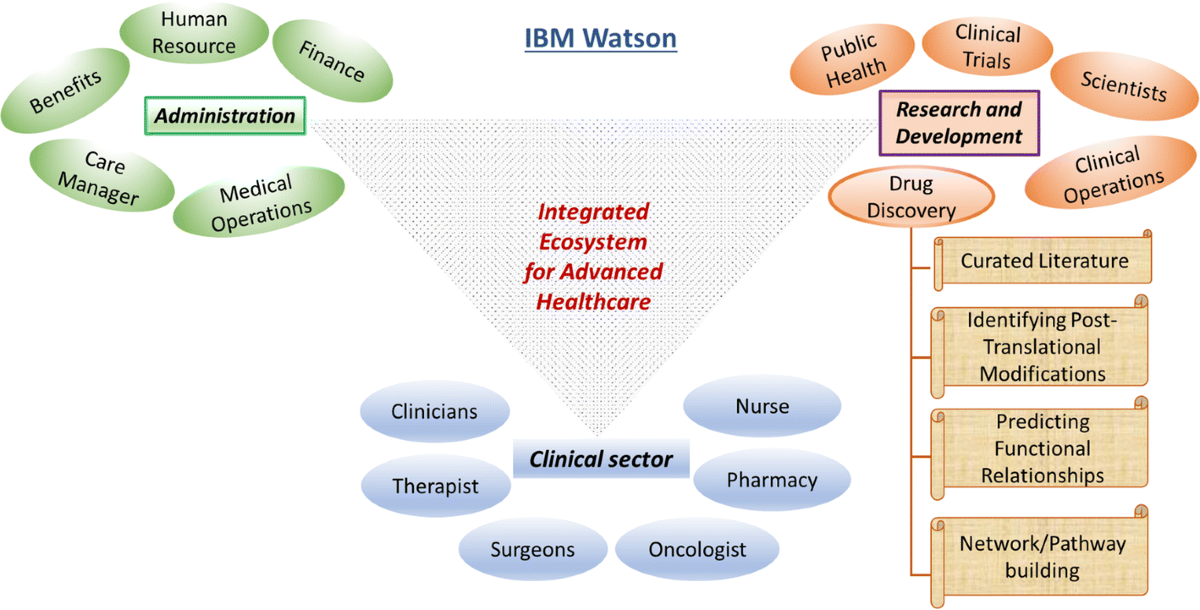
Access to comprehensive healthcare data is revolutionizing the way medical professionals diagnose, treat, and manage patient health. By harnessing diverse datasets, clinicians and researchers gain invaluable insights that drive innovation, optimize treatment strategies, and improve overall public health. As healthcare systems become increasingly data-driven, understanding the types, sources, and applications of these datasets becomes essential for advancing patient care and policy development.
Healthcare data sets encompass a wide range of information, from electronic health records to genomic repositories, each serving a unique purpose in the complex ecosystem of modern medicine. These resources facilitate evidence-based decision-making, enable personalized treatment approaches, and support large-scale public health initiatives. However, leveraging this data effectively requires navigating challenges related to privacy, interoperability, and data quality. Exploring these elements reveals how healthcare data is shaping a future where patient outcomes are prioritized through smarter, more informed healthcare delivery.
Overview of Healthcare Data Sets
Healthcare data repositories play a pivotal role in shaping clinical practices and enhancing patient outcomes. Among the most prominent examples are electronic health records (EHRs), which compile detailed patient information from various sources into a centralized digital format. These records include demographic details, medical histories, medication lists, allergies, and lab results, providing clinicians with a holistic view of each patient’s health profile. By enabling real-time access to comprehensive data, EHRs support coordinated care and reduce errors.
Genomic databases are another critical component, storing vast amounts of genetic information that facilitate understanding of diseases at a molecular level. This data underpins personalized medicine, enabling treatments tailored to individual genetic profiles. Clinical trial data, collected during research studies, informs the safety and efficacy of new therapies, guiding regulatory decisions and clinical guidelines. Public health data, on the other hand, aggregates statistics on disease outbreaks, vaccination coverage, and health behaviors across populations, supporting policy-making and resource allocation. Patient surveys capture insights into healthcare experiences and satisfaction, helping institutions refine services for better patient engagement.
Together, these diverse datasets serve as the backbone of modern healthcare analytics, enabling evidence-based improvements across clinical and public health domains.
Types of Healthcare Data Sets
Healthcare data sets come in several distinct formats, each designed to serve specific functions and support different facets of healthcare delivery and research.
Electronic Health Records (EHR)
EHRs are digital counterparts of traditional paper charts, consolidating comprehensive medical information into a unified platform. They encompass patient demographics, clinical histories, medication lists, allergies, laboratory results, and treatment plans. By providing real-time access to accurate data, EHRs improve care coordination among providers. For example, when multiple specialists are involved, shared EHRs ensure everyone is working with the same up-to-date information, reducing duplication and errors.
Claims Data
Generated when healthcare providers bill insurance companies for services rendered, claims data include diagnosis codes, procedure details, and billing information. This dataset is valuable for analyzing healthcare utilization patterns, cost trends, and service delivery efficiency. Researchers and policymakers use claims data to identify common treatments for specific conditions, monitor healthcare costs, and detect unusual patterns that may indicate fraud or inefficiencies.
Clinical Trial Data
Collected during the course of clinical research, trial data provides insights into the safety, efficacy, and side effects of new drugs and treatments. It includes participant demographics, health outcomes, and adverse events. This data supports regulatory approvals and guides evidence-based clinical practice. Access to robust clinical trial datasets accelerates innovation and ensures new therapies are both effective and safe for widespread use.
Public Health Data
Public health datasets compile statistics on disease prevalence, vaccination rates, health behaviors, and environmental factors affecting populations. These data enable health authorities to monitor trends, identify outbreaks, and develop targeted interventions. For example, tracking vaccination coverage helps prevent outbreaks of preventable diseases, while incidence data on chronic conditions like diabetes informs long-term health planning.
Sources of Healthcare Data Sets
Healthcare data originates from a variety of authoritative sources, each contributing unique insights necessary for comprehensive analysis.
Government Agencies
Government entities are primary custodians of vital health data. The Centers for Disease Control and Prevention (CDC), for instance, offers extensive datasets on disease prevalence, vaccination rates, and health behaviors. The National Institutes of Health (NIH) hosts genomic databases supporting research into genetic disorders and treatments. Medicare provides claims data that help analyze healthcare utilization among older populations. These sources are critical for public health planning and policy formulation.
Interesting:
- Unlocking the power of data analytics to transform healthcare
- Unlocking the power of predictive analytics to transform healthcare outcomes
- Unlocking the power of healthcare data integration for better outcomes
- Unlocking the future of healthcare the power of remote patient monitoring
- Unlocking the power of population health management for better healthcare outcomes
Private Organizations
Private sector players significantly contribute to healthcare data collection and sharing. Health Information Exchanges (HIEs) facilitate the seamless transfer of electronic health records among providers, improving continuity of care. Insurance companies amass claims data that reveal utilization patterns and cost trends. Pharmaceutical firms generate clinical trial datasets to evaluate new medications’ safety and effectiveness. These organizations complement public efforts by providing detailed, real-world insights.
Research Institutions
Academic and research institutions produce high-quality datasets through studies and clinical trials. Universities conduct research that results in valuable clinical and genomic data, advancing understanding of disease mechanisms. Think tanks analyze existing datasets to inform health policies, while nonprofit organizations gather disease-specific data through surveys and registries. These sources foster innovation and evidence-based practice across healthcare systems.
Use Cases of Healthcare Data Sets
The practical application of healthcare data sets spans multiple domains, significantly impacting patient care, research, and population health management.
Improving Patient Care
Data-driven insights enable personalized treatment strategies that improve patient outcomes. For example, comprehensive EHRs allow clinicians to review a patient’s entire medical history, facilitating accurate diagnoses and tailored therapies. Predictive analytics can identify individuals at high risk of complications, prompting proactive interventions. Leveraging these datasets enhances clinical decision-making, reduces medical errors, and promotes patient safety.
Research and Development
Healthcare datasets underpin the development of new therapies and medical innovations. Clinical trial data ensures that emerging treatments meet safety and efficacy standards before widespread adoption. Genomic databases help identify genetic markers associated with diseases, paving the way for targeted therapies. Additionally, patient feedback collected through surveys guides drug development and service improvements. These insights accelerate medical progress and improve the quality of care.
Population Health Management
Robust datasets enable health authorities to monitor community health trends and allocate resources effectively. Public health data reveals disease hotspots and vaccination gaps, informing targeted interventions. Claims data helps identify patterns in healthcare utilization and costs, supporting policy decisions. By analyzing population-wide data, healthcare providers can design programs that address specific community needs, ultimately enhancing overall health outcomes.
Challenges in Using Healthcare Data Sets
Despite their potential, healthcare data sets face significant hurdles that can impede their effective use.
Data Privacy Concerns
Handling sensitive health information raises privacy and security issues. Protecting patient confidentiality is paramount, and regulations such as HIPAA mandate strict data security measures. Organizations must implement encryption, secure access controls, and anonymization techniques to prevent unauthorized disclosures. Data breaches can erode public trust and result in legal penalties, emphasizing the importance of robust privacy safeguards. You can explore how data privacy regulations influence healthcare data management by reviewing this detailed analysis.
Interoperability Issues
A significant obstacle is the lack of standardized formats across different healthcare IT systems. When systems cannot communicate effectively, data sharing becomes fragmented, leading to incomplete patient records and compromised care. Addressing interoperability requires adopting common standards, investing in compatible technologies, and fostering collaboration among stakeholders. Without seamless data exchange, the full potential of healthcare datasets remains unrealized, hindering efforts toward integrated, patient-centered care. For more on how standards are shaping healthcare interoperability, see this comprehensive guide.
Data Quality and Completeness
Accurate and comprehensive data is crucial for meaningful analysis. Incomplete, inconsistent, or erroneous data can lead to incorrect conclusions, impacting patient safety and policy decisions. Data validation, standardized entry procedures, and regular audits help improve data quality. Ensuring high standards in data collection and maintenance is fundamental for reliable insights and effective decision-making.
Ethical and Legal Considerations
Using healthcare data responsibly involves navigating complex ethical and legal terrains. Informed consent, data ownership, and the potential for misuse are ongoing concerns. Establishing clear governance frameworks and adhering to legal standards are essential for maintaining trust and integrity in healthcare data utilization.
Harnessing the power of healthcare data sets promises a future of more personalized, efficient, and equitable healthcare. Overcoming challenges related to privacy, interoperability, and data quality is essential to unlocking their full potential. As the industry continues to evolve, embracing innovative solutions and fostering collaboration among stakeholders will be key to transforming healthcare delivery and improving patient outcomes worldwide.