






Unlocking the Power of Data in Modern Healthcare
 December 29, 2025
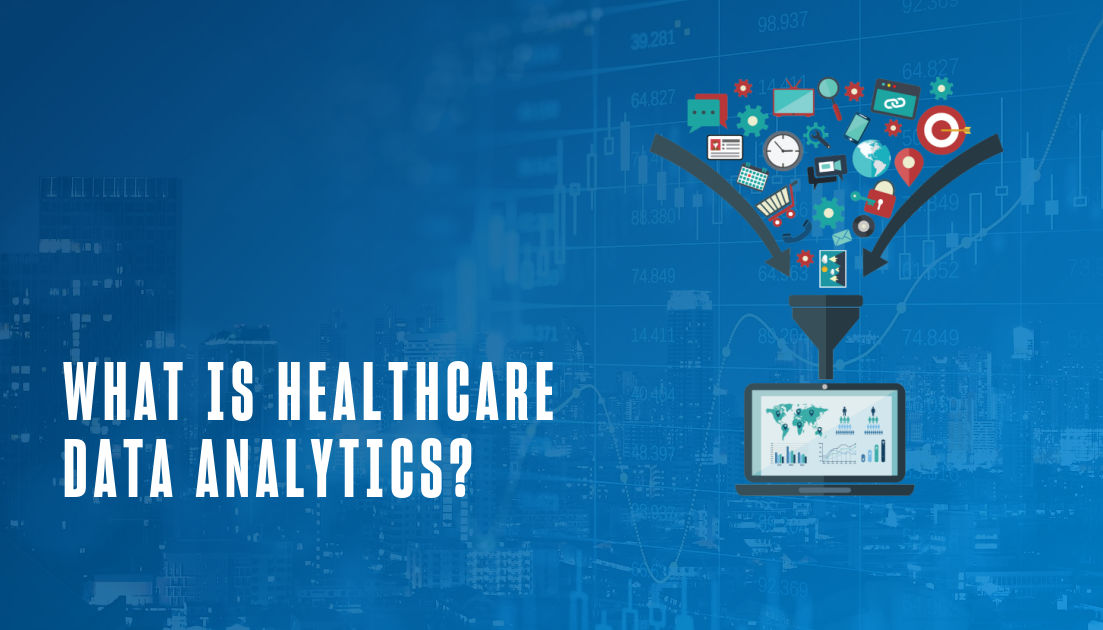
The rapid advancement of data collection and analysis is transforming the healthcare industry at an unprecedented pace. As the volume of health-related information continues to grow exponentially, the ability to harness this data effectively is becoming essential for improving patient outcomes, optimizing operational efficiency, and driving innovative research. Healthcare analytics, a cornerstone of health informatics, enables organizations to interpret complex datasets and turn raw information into actionable insights, ultimately revolutionizing the way medical services are delivered and managed.
How the Data Revolution is Transforming Health Care
The shift from traditional paper-based records to digital solutions has been a pivotal factor in the explosion of health care data. The adoption of electronic health records (EHRs) allows for seamless storage and retrieval of patient information, making data more accessible than ever before. Yet, this is just one part of the picture. Additional sources contributing to the data influx include clinical inputs from Computerized Physician Order Entry (CPOE) systems, real-time data streams from wearable health devices, sensor-generated vital sign measurements, insurance claims, billing records, and comprehensive patient registries. Research and development efforts, clinical trial results, health surveys, and prescription records further enrich this vast pool of information.
Leveraging healthcare analytics to interpret this data enables providers to improve clinical care while maintaining cost-effectiveness. For instance, in Minnesota, Allina Health System achieved over $45 million in savings within five years by analyzing data to refine cardiovascular treatment protocols across its network of hospitals and clinics. The ultimate goal is to convert these extensive databases into meaningful insights that enhance patient care, streamline operations, and support public health initiatives.
Emerging fields such as epidemiology use data visualization techniques to identify and contain disease outbreaks more swiftly. In drug development, analytics accelerate clinical trial processes, reducing time-to-market for vital medications. Advances in genomics, driven by detailed genetic data analysis, pave the way for personalized medicine tailored to individual DNA profiles. Additionally, understanding social determinants of health—factors like living conditions, socioeconomic status, and environmental exposures—helps predict disease trends and develop targeted prevention strategies. As the industry advances, the challenge remains to extract precise, actionable insights from the ever-growing sea of health data.
How the Data Revolution is Transforming Health Care
The transition from manual records to electronic health systems has been instrumental in generating a wealth of clinical and administrative data. Various sources contribute to this ecosystem, including real-time feeds from wearable devices, sensor data monitoring vital signs continuously, insurance and billing information, patient and disease registries, and data from ongoing research and clinical trials.
Analyzing this multifaceted data supports not only clinical decision-making but also financial management by identifying inefficiencies and detecting fraud. For example, in Minnesota, Allina Health System’s data-driven approach led to notable savings, demonstrating how analytics can enhance both quality and cost-effectiveness.
Future applications of healthcare analytics promise to expand influence across many domains. In epidemiology, data visualization aids in tracking and controlling infectious disease outbreaks. In pharmaceutical research, analytics help expedite the development and approval of new drugs. The field of genomics benefits from deep data insights enabling personalized treatment plans. Moreover, analyzing social factors—such as neighborhood environments and lifestyle habits—opens new opportunities for disease prevention and health promotion.
The ongoing challenge for healthcare data professionals is to develop sophisticated methods for dissecting complex datasets and translating them into practical, real-world applications.
Health Data Analytics and Health Informatics
Understanding how health care analytics connects to health informatics is crucial. While often confused, these disciplines serve complementary roles. The American Health Information Management Association (AHIMA) emphasizes that health data analysis involves examining data through quantitative and qualitative methods to identify trends and derive meaningful information. This process includes managing, interpreting, and transforming raw data into accurate and timely insights.
Conversely, health informatics encompasses the broader activity of designing systems, processes, and technologies to utilize data insights for improving healthcare delivery and patient outcomes. It involves collaboration among people, workflows, and technological tools to ensure data-driven solutions are effectively implemented.
Practically, analytics is used to enhance patient management, disease prevention, and adherence to clinical protocols. While these activities overlap, AHIMA clarifies that analytics focus on the actual examination of data, whereas informatics emphasizes applying that information within healthcare systems. Professionals in health informatics develop and manage information systems, databases, and technology infrastructure, while data analysts interpret the data generated by these systems and present findings in user-friendly formats.
For more on this relationship, visit the AHIMA infographic on informatics versus analytics.
How Health Care Analytics Improves Patient Care
The practical benefits of healthcare analytics are evident in numerous real-world applications. For example, machine learning models are transforming PTSD diagnosis by streamlining screening procedures. Researchers at VA Boston Healthcare System and Boston University developed algorithms that effectively predict PTSD presence, reducing screening questions without sacrificing accuracy.
During the COVID-19 pandemic, Tufts Medical Center employed artificial intelligence (AI) to optimize testing workflows, automating data entry and patient screening. This automation increased testing efficiency by up to seven times and reduced manual processing time by 86%, leading to faster diagnosis and treatment.
Imaging and diagnostic analysis have also seen revolutionary improvements. AI-powered tools analyze X-rays and other imaging results rapidly, identifying potential issues such as early-stage lung tumors or microcalcifications in breast tissue. These tools support radiologists by providing preliminary assessments and highlighting areas of concern, speeding up diagnosis and enhancing accuracy.
In the fight against opioid misuse, analytics tools aid in refining prescribing practices and monitoring patient progress. Rhode Island’s dashboard system enables physicians and treatment centers to share vital information, resulting in a 16% decrease in emergency visits related to opioid treatment within 30 days.
Career Opportunities in Healthcare Analytics
The fields of health care analytics and health informatics are still evolving, creating significant demand for skilled professionals. This demand offers promising career opportunities, particularly for those with clinical backgrounds or experience in health information management (HIM). As the industry grows, adding data analysis expertise to existing healthcare skills can significantly improve job security.
According to AHIMA’s Associate Editor Mary Butler, HIM professionals who develop skills in data analysis position themselves competitively. She cites examples of professionals earning six-figure salaries after specializing in health data analytics, underscoring the lucrative potential of these careers.
Various roles are available, including:
- Analytics specialist
- Senior data analyst
- Analytics manager
- Research and strategy consultant
- Director of health analytics
Typical responsibilities involve collecting and organizing healthcare data, analyzing it to inform decision-making, identifying trends, creating reports, and communicating insights to stakeholders. Employers range from hospitals and clinics to technology firms and government agencies eager to leverage data for better health outcomes.
Connecting Health Analytics and Health Information Management
The integration of health data analytics with health information management (HIM) is accelerating as technological innovations expand the capabilities of both disciplines. HIM professionals are increasingly involved in advanced analytics projects, applying their knowledge of health data systems to facilitate insights and improve patient care.
Interesting:
Stephanie Crabb, co-founder of Immersive, notes that HIM professionals are positioned at the intersection of analytics and informatics. Opportunities to transition into these emerging fields are highlighted in resources like AHIMA’s report, HIM Reimagined, which emphasizes the importance of continuous skill development.
Certification and Education in Healthcare Analytics and Informatics
To meet the growing demand for expertise, many educational institutions offer specialized programs, such as the Master’s in Health Care Informatics at the University of San Diego. This program combines coursework in health technology, clinical analytics, leadership, and business management to prepare graduates for roles in health data analytics and informatics. Flexible online and on-campus options enable working professionals to upskill efficiently.
Professional certification further validates expertise. The Certified Health Data Analyst (CHDA) credential, for instance, demonstrates a professional’s competence in health data analysis, enhancing employability and career advancement prospects.
By pursuing advanced education and certification, healthcare professionals can develop the critical skills needed to succeed in this rapidly expanding field, where their expertise can directly influence patient outcomes and operational efficiency.
FAQs About Healthcare Analytics
Q: What is health data analysis?
A: It involves examining healthcare data through various techniques to identify trends, interpret results, and convert raw information into accurate, actionable insights.
Q: How does analytics contribute to healthcare improvement?
A: Analytics supports better diagnosis, treatment planning, and research, leading to improved patient outcomes and more efficient healthcare delivery.
Q: How can data analysis aid proactive health interventions?
A: By continuously monitoring medical records and other data sources, providers can identify high-risk patients early and intervene before complications develop.
Q: What role does predictive analytics play in healthcare?
A: It aims to forecast future health events, enabling clinicians to prevent issues before they occur through early detection and intervention.
Q: How does population health analytics differ from individual care?
A: It uses data to understand health trends across large groups, informing public health strategies and resource allocation.
Q: What distinguishes health analytics from biostatistics?
A: While health analytics involves analyzing data to improve care, biostatistics focuses on applying statistical methods to interpret health data accurately.
Q: What can professionals do with a master’s degree in health analytics?
A: They can pursue roles like analytics manager, research consultant, or senior analyst, contributing to data-driven healthcare improvements.
Q: What tasks does a healthcare analyst perform?
A: Their duties typically include collecting and analyzing healthcare data, developing reports, identifying trends, and communicating insights to support decision-making.
Bringing together advanced data skills with healthcare expertise positions professionals to lead innovation and improve health systems worldwide.