






Unlocking the Future of Healthcare: The Power of Remote Patient Monitoring
 December 26, 2025
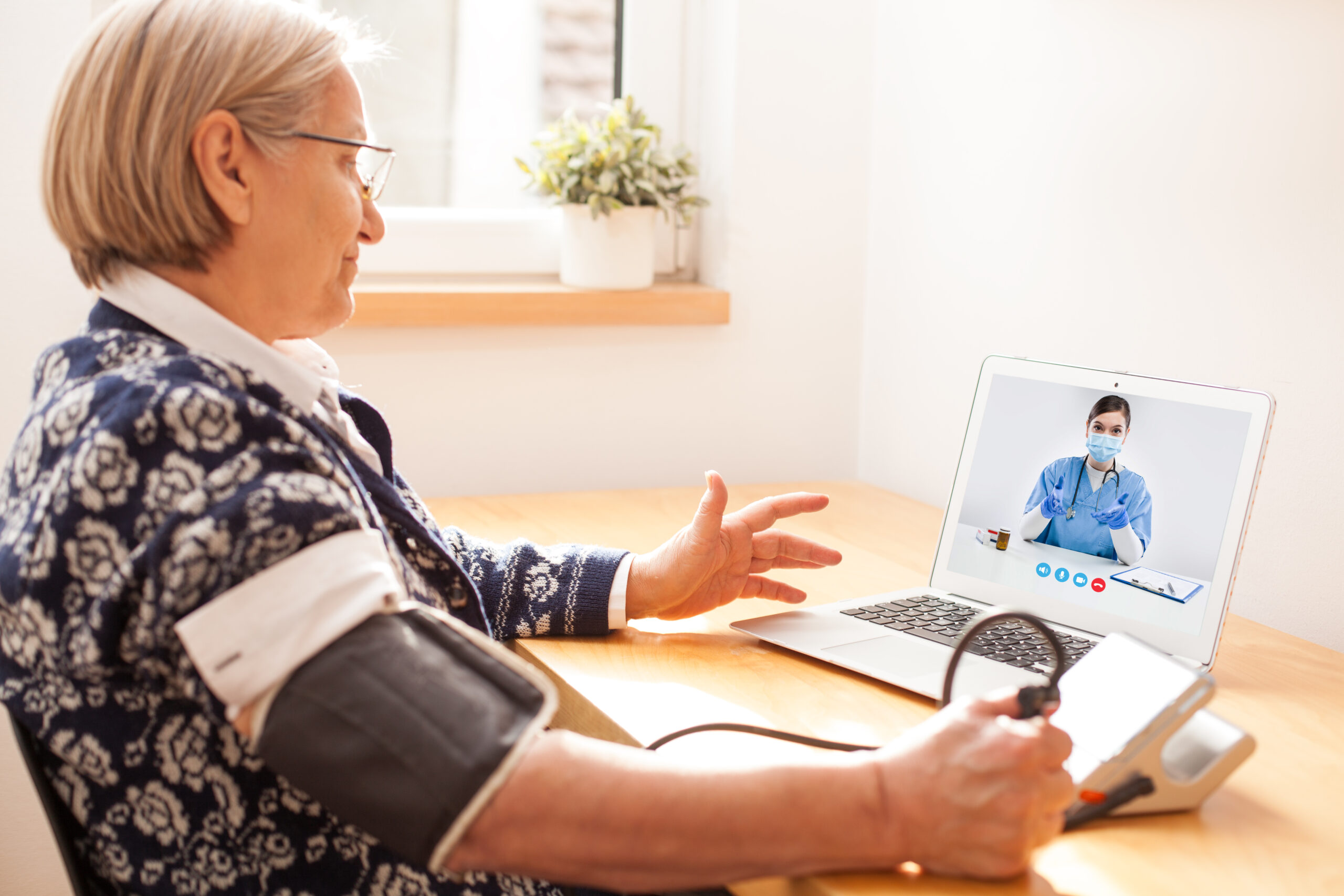
Remote patient monitoring (RPM) is transforming healthcare delivery by enabling providers to oversee patient health outside traditional clinical settings. With the global market for remote monitoring systems projected to reach $1.7 billion by 2027, understanding how RPM functions and its advantages is essential for modern healthcare practices. This innovative approach not only enhances patient outcomes but also offers cost savings and improved communication between patients and providers. As technology advances, integrating tools like RPM into healthcare strategies is becoming increasingly vital for delivering comprehensive, accessible, and efficient care.
Definition of Remote Patient Monitoring
Remote patient monitoring, often abbreviated as RPM, involves collecting and analyzing health data from patients outside conventional healthcare environments. This method leverages cutting-edge information technology to transmit vital signs and health information to healthcare providers in real time. RPM enables continuous oversight of both acute and chronic conditions, minimizing the need for frequent in-person visits and reducing associated travel costs. It also plays a crucial role in lowering infection risks, especially important during times of public health crises. Moreover, RPM fosters better communication channels between patients and healthcare professionals and encourages patients to take a more active role in managing their health, leading to improved clinical outcomes. For a deeper understanding of the technological innovations shaping healthcare, explore virtual reality in medicine perspectives and features.
Difference between RPM, Telehealth, Telemedicine, and Patient Monitoring
The terminology surrounding remote health services can sometimes be confusing. Clarifying these terms is essential for understanding how each plays a role in modern healthcare.
Telehealth encompasses a broad spectrum of digital health services and technologies that facilitate patient care remotely. It includes various platforms and tools designed to deliver healthcare services across distances.
Telemedicine is a subset of telehealth, specifically referring to the practice of medicine through virtual means. It involves healthcare providers conducting consultations, diagnosing, and prescribing treatment remotely—such as through virtual visits, medication management, and chronic disease oversight.
Remote Patient Monitoring involves the use of specific devices that allow healthcare providers to continuously monitor a patient’s health metrics outside of clinical settings. While RPM is part of the broader telehealth framework, it is distinct from telemedicine, which focuses more on direct clinical interactions.
Patient Monitoring typically refers to the deployment of monitoring equipment within controlled environments like hospitals or clinics. In contrast, RPM devices are designed for use in a patient’s home, enabling ongoing health assessment outside clinical walls.
How Does RPM Work?
The core technologies behind RPM are designed to be user-friendly and highly effective. Patients wear or use wireless sensors that measure specific health parameters, such as blood pressure, glucose levels, oxygen saturation, or heart rhythms. These sensors transmit data securely to a central platform managed by the healthcare provider.
Once the data reaches the provider’s platform, it is stored, analyzed, and interpreted to assess the patient’s health status. Providers can then review this information remotely, identify potential issues early, and make timely treatment adjustments. This process allows for more proactive care and can significantly reduce the need for emergency visits or hospitalizations. For example, if a patient’s blood pressure readings indicate a dangerous spike, immediate intervention can be initiated without waiting for an in-person appointment. To see how emerging technologies like immersive therapy are shaping healthcare, visit immersive therapy as a new frontier for mental health.
Benefits of RPM
Implementing RPM offers numerous advantages that benefit patients, healthcare providers, and organizations alike. By continuously monitoring health data, RPM supports better self-management and adherence to treatment plans, leading to improved health outcomes. It also helps reduce overall healthcare costs by decreasing unnecessary hospital visits and enabling early intervention.
Interesting:
Other notable benefits include:
- Enhanced patient engagement and empowerment
- Improved access to healthcare services, especially in remote or underserved areas
- Increased operational efficiency for healthcare staff
- Mitigation of staffing shortages by automating routine monitoring tasks
- Lower risk of hospital-acquired infections
- Higher patient satisfaction through more personalized care
- Strengthening of the clinical-patient relationship
For more insights on how innovation is enhancing healthcare delivery, explore training the surgeons of tomorrow with virtual reality.
RPM Devices
The effectiveness of RPM relies heavily on specialized devices that collect accurate health data. These tools enable healthcare providers to stay informed about their patients’ conditions in real time, facilitating swift clinical decisions.
Typical RPM devices include:
- Blood Pressure Cuffs
- Glucometers
- Pulse Oximeters
- ECG devices and digital stethoscopes
- Wearable activity trackers and monitors
- Thermometers
- Digital scales
These devices empower patients to understand and manage their health daily, often resulting in longer-term positive health outcomes. Additionally, they support ongoing engagement with healthcare teams, fostering a proactive approach to health management.
Reimbursement
Financial aspects of RPM are crucial for widespread adoption. Reimbursement policies, especially through Medicare and private insurers, can influence healthcare providers’ willingness to implement RPM programs. Proper coding using specific CPT codes is essential for billing and reimbursement.
Navigating the complexities of RPM billing can be challenging; therefore, consulting resources like the RPM Reimbursement FAQ helps providers understand the nuances of reimbursement processes and ensure compliance. Understanding these financial frameworks can accelerate the integration of RPM into standard care practices.
How HRS Telehealth and RPM Solutions Benefit Patients
For healthcare organizations looking to adopt RPM services, the initial steps involve assessing coverage options, establishing patient enrollment procedures, selecting appropriate devices, and training staff. Partnering with experienced providers like HRS simplifies this process by offering comprehensive solutions that streamline setup and deployment.
By leveraging HRS telehealth and RPM solutions, healthcare providers can enhance patient care, increase satisfaction, and reduce operational costs. These tools support the delivery of high-quality, accessible healthcare that meets the needs of today’s digital age. Discover how our solutions can help your organization improve health outcomes, elevate patient engagement, and optimize resource utilization.