





Understanding Triage: Critical for Effective Emergency Care
 December 27, 2025
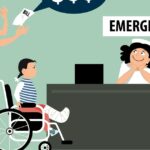
In emergency medical situations, swiftly and accurately determining the severity of patients’ conditions is vital to ensuring those who need immediate attention receive it first. This process, known as triage, involves categorizing patients based on the urgency of their medical needs, prioritizing treatment to maximize survival rates and optimize resource use. Whether performed in hospital emergency rooms, on the battlefield, or during disaster responses, triage helps healthcare providers make informed decisions amidst chaos and limited resources.
Medical personnel responsible for triage include hospital emergency room gatekeepers, emergency medical technicians (EMTs), and military personnel on the field. Each facility or scenario employs a specific triage system, often utilizing color codes to streamline decision-making. These color categories help quickly identify the urgency of each case and determine the order of treatment or transportation.
For instance, common triage color codes include:
- Red: Critical cases requiring immediate intervention due to life-threatening injuries or illnesses.
- Yellow: Serious but not immediately life-threatening, requiring prompt attention.
- Green: Minor injuries or illnesses that can tolerate delayed care.
- White: No injuries or health issues.
- Black: Fatalities or individuals beyond help due to the severity of their injuries.
The use of color coding in triage systems allows first responders to swiftly assess and categorize patients, ensuring that those with the most urgent needs are prioritized effectively. Different systems may vary in their specific protocols and categories, but the fundamental goal remains consistent: to allocate limited resources where they are needed most.
The importance of triage extends beyond emergency rooms. It is a cornerstone of disaster response, military operations, and even mass casualty events, where the volume of patients surpasses available resources. By implementing structured triage procedures, healthcare teams can significantly improve outcomes and save more lives.
Interesting:
- Understanding triage prioritizing care in critical situations
- Understanding durable power of attorney for healthcare a critical guide
- Embracing diversity a critical component for equitable and effective healthcare
- Understanding care gaps and effective strategies to bridge them
- Understanding coverage for chronic care management services
Understanding the broader context of healthcare data management reveals how critical accurate information is in optimizing patient care. Data analytics in healthcare plays a crucial role in refining triage protocols and resource allocation, enhancing decision-making processes across various settings. To explore how data-driven strategies can influence emergency response, visit the power of information: what is data analytics in healthcare.
Furthermore, technological advancements such as artificial intelligence are transforming how medical professionals approach triage and patient assessment. Implementing AI effectively in healthcare settings can streamline decision-making and improve patient outcomes. For detailed guidance on integrating AI into healthcare practices, see implementation guide: how to use AI effectively in healthcare.
In addition, electronic data interchange (EDI) systems facilitate seamless communication and data sharing among healthcare providers, which is essential during triage operations and emergency responses. To understand how these systems work and their impact, review explaining electronic data interchange (EDI) in healthcare.
Proper triage is fundamental to effective emergency care, ensuring that the most critical patients receive prompt attention and resources are allocated efficiently. As healthcare continues to evolve with technological innovations, understanding these systems and their integration into clinical practice remains essential for healthcare professionals worldwide.