






Understanding the Role of NPP in Modern Healthcare
 December 24, 2025
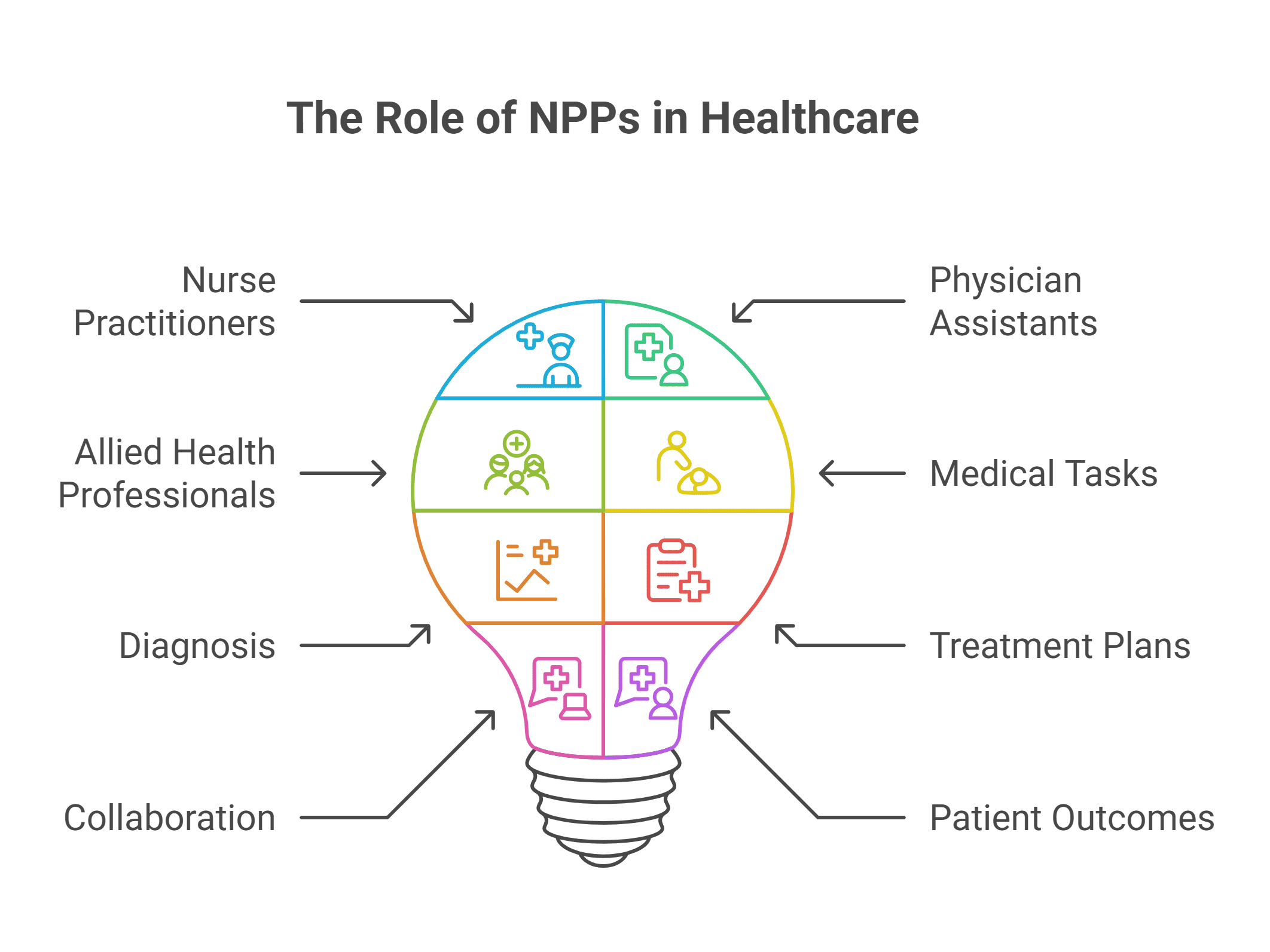
Navigating the complexities of healthcare involves understanding various terms and policies that influence patient care and data security. One such abbreviation, NPP, holds significance in two distinct but equally vital aspects of healthcare systems: the role of non-physician healthcare providers and the safeguards protecting patient information. Grasping the functions and importance of NPP in these contexts helps both providers and patients appreciate how healthcare remains efficient, accessible, and secure.
In this article, we explore what NPP means in healthcare, examining its two primary meanings—one related to healthcare professionals expanding patient access, and the other concerning the legal document ensuring data privacy. Recognizing their roles underscores how these elements contribute to a well-functioning health system, fostering trust, compliance, and quality care.
Non-Physician Practitioners: Expanding Access to Quality Care
A Non-Physician Practitioner (NPP) refers to healthcare professionals who are not medical doctors but are trained, licensed, and authorized to perform a variety of clinical responsibilities. These professionals serve as vital components of the healthcare workforce by diagnosing illnesses, prescribing medications, ordering diagnostic tests, and managing patient care. They are also known as mid-level practitioners or advanced practice providers (APPs), and their presence helps enhance healthcare accessibility and alleviate the workload on physicians.
NPPs are instrumental in bridging gaps in healthcare delivery, especially in regions with physician shortages or in underserved communities. They work collaboratively with physicians and other healthcare team members to ensure patients receive timely and effective treatment. Their scope of practice varies by jurisdiction but generally includes services that improve health outcomes and patient satisfaction.
Who Are Non-Physician Practitioners?
Examples of NPPs include:
- Nurse Practitioners (NPs): Provide primary and specialized care, emphasizing preventive health measures and chronic disease management.
- Physician Assistants (PAs): Collaborate with physicians to deliver diagnostic, therapeutic, and preventive healthcare services.
- Certified Registered Nurse Anesthetists (CRNAs): Administer anesthesia and provide perioperative care in surgical and procedural settings.
- Nurse Midwives: Offer comprehensive maternity care, including prenatal, delivery, and postpartum services.
Their expanding roles are supported by ongoing research indicating that patient outcomes and satisfaction levels are comparable whether care is provided by NPPs or physicians, making them trusted members of multidisciplinary healthcare teams. As healthcare demands grow, the importance of NPPs continues to rise, emphasizing the need for policies that support their integration into care delivery models. For a broader understanding of healthcare systems, exploring countries like Belgium offers insights into how different nations optimize their medical workforce exploring the robust healthcare system of belgium.
Why Are NPPs Important?
The surge in healthcare needs, driven by aging populations and the rise of chronic illnesses, alongside a persistent physician shortage, has made NPPs indispensable. They help ensure that patients in rural and underserved areas receive necessary care without lengthy delays. Numerous studies have demonstrated that patient satisfaction and health outcomes are similar when care is delivered by NPPs compared to physicians, reinforcing their role as trusted providers.
By expanding access and maintaining quality standards, NPPs contribute significantly to healthcare system efficiency. Their integration allows physicians to focus on complex cases while NPPs manage routine and preventive care, ultimately leading to more comprehensive and timely treatment for patients.
Notice of Privacy Practices: Ensuring Data Security and Patient Rights
On the other hand, the term NPP also refers to a critical legal document mandated by the Health Insurance Portability and Accountability Act (HIPAA). The Notice of Privacy Practices (NPP) is a comprehensive statement that healthcare providers are required to give patients, outlining how their Protected Health Information (PHI) will be used, shared, and protected.
Interesting:
This document plays a crucial role in safeguarding patient rights and maintaining transparency in handling sensitive health data. It details the ways in which healthcare organizations may use or disclose PHI for treatment, payment, or healthcare operations, and explains the patients’ rights regarding their health information.
Key Elements of an NPP
- Use and Sharing of PHI: Clarifies how providers may utilize or disclose health data, including for legal compliance and public health reporting.
- Patient Rights: Patients can request access to their records, request corrections, restrict certain disclosures, and be informed about disclosures made.
- Provider Responsibilities: Healthcare organizations are tasked with protecting PHI, notifying patients of breaches, and ensuring privacy policies are followed.
- Contact Details: The NPP must include contact information for patients to ask questions or report privacy concerns.
The importance of the NPP lies in fostering trust and ensuring legal compliance. By openly communicating how patient data is managed, healthcare entities demonstrate accountability and respect for individual privacy rights. Moreover, adherence to HIPAA regulations prevents costly penalties and reputational damage.
Comparing NPP in Both Contexts
While Non-Physician Practitioners and Notice of Privacy Practices serve different functions—one focusing on care delivery and the other on data protection—they collectively support the integrity and efficiency of healthcare systems:
- NPPs emphasize expanding access to quality medical services and addressing workforce shortages.
- The privacy notice ensures that patients’ sensitive health information remains confidential and that they are aware of their rights.
Both are integral to fostering trust, compliance, and high standards within healthcare, highlighting the importance of clear policies and collaborative care.
How NPP Benefits Patients and Healthcare Providers
Benefits for Patients:
- Improved Access: The increasing involvement of NPPs reduces wait times and improves availability of healthcare services, especially in remote locations.
- Assured Privacy: The privacy policies outlined in the NPP reassure patients that their health information is protected and managed responsibly.
- Empowered Decision-Making: Patients are better equipped to participate actively in their healthcare, understanding how their information is used and knowing whom to contact for privacy concerns.
Benefits for Healthcare Providers:
- Operational Efficiency: NPPs help distribute workload, allowing physicians to focus on complex cases and reducing burnout among healthcare professionals.
- Legal and Ethical Compliance: Providing the required privacy notices demonstrates compliance with HIPAA, reducing risk of violations and fines.
- Building Trust: Transparent communication through privacy policies and collaborative care models enhances patient trust and satisfaction.
Addressing Common Misconceptions
- Do NPPs Replace Doctors? No, NPPs are designed to work alongside physicians, not replace them. They often operate under supervision or collaborative agreements to enhance care delivery.
- Is an NPP Optional for Healthcare Providers? The Notice of Privacy Practices is a mandatory document for covered entities under HIPAA and must be provided to patients at the outset of care or whenever policies change.
- Is Patient Privacy Fully Guaranteed with an NPP? While providers follow strict privacy protocols, there are circumstances—such as public health emergencies or legal investigations—where PHI disclosures without patient consent are permissible. These exceptions are clearly outlined within the privacy notice.
The Future of NPP in Healthcare
Both aspects of NPP are evolving alongside advancements in healthcare delivery and technology:
- NPPs and Telemedicine: As telehealth expands, the roles of non-physician providers will likely grow, offering more flexible and accessible care options.
- Digital Privacy Management: Transitioning to electronic delivery of privacy notices and patient acknowledgments via secure online portals streamlines compliance and enhances user experience.
Understanding the dual significance of NPP helps patients make informed choices and supports providers in delivering high-quality, compliant care. For further insights into how health systems optimize their operations, exploring the comprehensive healthcare strategies of Belgium can be enlightening, while partnering with a leading contract pharmaceutical manufacturer with global reach ensures access to innovative medicines and treatment options.
In summary, the term NPP encompasses critical components that underpin trust, efficiency, and quality within healthcare. While one ensures patients receive essential medical services, the other safeguards their personal health data—together forming a foundation for effective and ethical healthcare delivery.
Understanding both dimensions allows patients to actively participate in their health journey and empowers providers to uphold the highest standards of care and privacy.