






Understanding the Quadruple Aim: Advancing Healthcare for Better Outcomes
 December 24, 2025
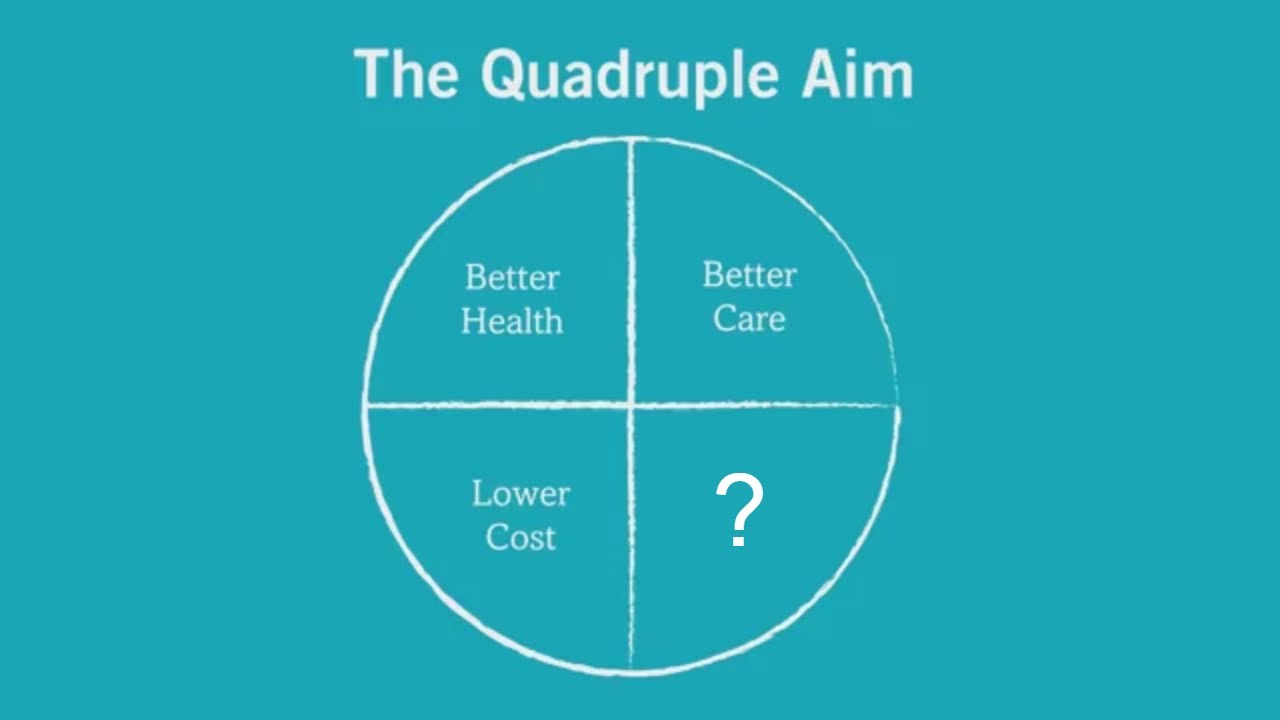
The healthcare landscape continues to evolve, emphasizing not only the quality of patient care but also the well-being of providers and the sustainability of health systems. The concept of the Quadruple Aim expands upon the original goals of healthcare improvement by integrating a critical fourth component—supporting the health and happiness of clinicians and care teams. This comprehensive approach recognizes that achieving optimal patient outcomes, controlling costs, and improving community health are interconnected with fostering a motivated, supported workforce.
In recent years, healthcare organizations, policymakers, and clinical leaders have increasingly adopted the Quadruple Aim as a guiding framework for designing sustainable, high-quality care models. By addressing all four dimensions—patient experience, population health, cost efficiency, and provider wellbeing—healthcare systems can deliver more effective and compassionate care while maintaining operational resilience.
The evolution of this framework stems from foundational insights by prominent experts. The original Triple Aim—developed by the Institute for Healthcare Improvement—focused on enhancing patient experience, improving population health, and reducing per capita costs. Recognizing that provider burnout and job dissatisfaction threaten these goals, Dr. Thomas Bodenheimer and Dr. Christine Sinsky introduced the added focus on clinician wellbeing in 2014. They emphasized that supporting the healthcare workforce is essential to achieving the other aims, stating that “burnout among the health care workforce threatens patient-centeredness and the Triple Aim.” Without addressing provider health, the effectiveness of care delivery and the overall sustainability of the system are compromised.
The Four Pillars of the Quadruple Aim are:
-
Improving the patient experience by ensuring clinicians have the time, support, and tools necessary to deliver compassionate, personalized care. When healthcare providers are supported instead of overwhelmed by administrative burdens, patient trust and engagement naturally increase, leading to better health outcomes. To facilitate this, many organizations are adopting innovative solutions such as ambient AI tools, which can significantly reduce documentation demands and streamline workflows. For further insights into how technology can transform clinical documentation, explore what is concierge service in healthcare.
-
Promoting population health by addressing broader social determinants such as housing, education, transportation, and nutrition. Healthcare systems today are expanding their reach beyond individual patient visits, partnering with community organizations to implement preventative strategies and early intervention programs. These efforts help improve health outcomes across entire communities, emphasizing a more holistic approach to health. Understanding the structure of the broader healthcare system can provide valuable context for these initiatives.
-
Ensuring financial sustainability through efficient resource management. By reducing unnecessary administrative tasks, minimizing waste, and optimizing workflows, healthcare organizations can reinvest savings into patient care and staff support. Implementing advanced technologies such as AI-powered clinical documentation tools enhances operational efficiency. For example, AI-driven medical scribes and speech recognition systems help reduce provider burnout and improve note quality, which directly supports the aims of the Quadruple framework. To learn more about how artificial intelligence is transforming healthcare, visit is ai used in healthcare.
-
Supporting provider wellbeing by fostering a work environment that promotes job satisfaction, reduces burnout, and enhances professional fulfillment. Recognized as a critical public health issue, clinician burnout affects nearly half of physicians, contributing to medical errors, lower patient satisfaction, and increased costs. Addressing this challenge requires organizational commitment to reducing administrative burdens and supporting mental health—efforts that are vital for maintaining a resilient and effective healthcare workforce. For strategies on improving clinician support, see how can ai help with healthcare.
The origins of the Quadruple Aim trace back to 2014, when thought leaders Dr. Bodenheimer and Dr. Sinsky highlighted the importance of provider wellbeing in achieving overall healthcare goals. Their work built on the Triple Aim, emphasizing that burnout and job dissatisfaction undermine patient-centered care, cost efficiency, and health outcomes. This understanding underscores that there is no true Triple Aim without prioritizing clinician health and happiness.
Healthcare organizations can support these goals through innovative strategies, including leveraging technology to enhance workflow efficiency. For instance, AI-enabled documentation solutions—such as speech-to-text dictation and medical scribes—are transforming clinical workflows by reducing the documentation burden. When thoughtfully integrated, these tools help improve care quality, alleviate provider stress, and create a more positive work environment. For comprehensive insights into the healthcare structure and how AI can be harnessed for better outcomes, visit what is the healthcare system.
In essence, the Quadruple Aim encapsulates a fundamental truth: delivering high-quality, cost-effective healthcare depends on a healthy, supported clinical workforce. By balancing patient needs with provider wellbeing, health systems can become more resilient, sustainable, and capable of achieving lasting improvements in community health. Embracing this holistic approach ensures that care delivery is not only effective but also sustainable for the future.
We offer enterprise-grade solutions tailored for large practices and hospitals, including advanced documentation platforms and AI-driven tools designed to support your clinical teams. Whether aiming to streamline workflows or enhance documentation efficiency, our technology is here to help you realize the full potential of the Quadruple Aim.