






Understanding the Critical Role of Healthcare Payers in Modern Medicine
 December 23, 2025
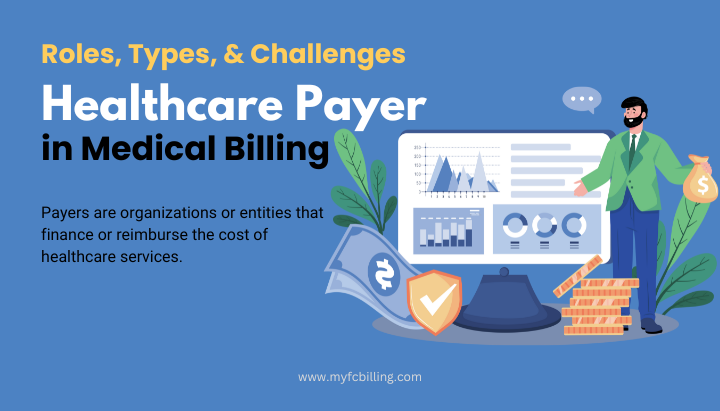
Healthcare payers are fundamental entities responsible for financing and reimbursing the costs associated with medical services. They encompass a broad spectrum of organizations, including government programs, private insurance companies, and direct payment models. Their primary function is to process claims submitted by healthcare providers, assessing the validity of each claim, and determining the appropriate reimbursement amount. This process is integral to maintaining a functional healthcare system, ensuring that providers are compensated fairly while controlling costs and maintaining quality standards.
Payers are essential for facilitating access to healthcare, managing financial risk, and promoting efficiency within the system. Their operations influence everything from patient billing to provider incentives, making their role vital for a balanced and sustainable healthcare infrastructure. They also collect vast amounts of data that can be leveraged to improve healthcare delivery, identify cost-saving opportunities, and enhance patient outcomes.
Types of Payers
Healthcare payers vary considerably in structure and funding sources. Understanding these distinctions is key to navigating the complexities of medical billing and reimbursement.
Government Payers
Public programs funded by federal and state governments are designed to provide healthcare coverage for specific populations. These include:
-
Medicare: A program primarily serving individuals aged 65 and older, as well as certain younger individuals with disabilities. Medicare covers a wide range of services, including hospital care, outpatient services, and preventive care. For a comprehensive overview of how different payment models function within Medicare, visit this authoritative resource.
-
Medicaid: A joint federal and state initiative offering health coverage for low-income individuals and families. Eligibility and benefits vary across states, but Medicaid remains a critical safety net for vulnerable populations.
-
Children’s Health Insurance Program (CHIP): Covers children in families with incomes too high for Medicaid but insufficient to afford private insurance, ensuring access to essential pediatric care.
Commercial Payers
These are private insurance companies that provide health plans to individual consumers and employer groups. Major players include UnitedHealthcare, Aetna, and Cigna. They negotiate rates with healthcare providers and offer diverse plan options tailored to employer needs or individual preferences. Commercial payers often develop networks of contracted providers and utilize sophisticated systems to manage claims efficiently.
Private Payers
This category includes non-insurance payment methods, such as cash payments directly from patients or financing arrangements. Some private payers refer to specialized or niche insurance plans offered by smaller organizations, often catering to specific health needs or demographic groups.
Self-Pay Patients
In certain situations, patients opt to pay out-of-pocket for their healthcare services, bypassing insurance entirely. Known as self-pay, these arrangements typically involve negotiated rates between the provider and the patient, and they can sometimes lead to different billing processes compared to insured services.
Functions of Payers in Medical Billing
Payers perform several crucial functions within the medical billing and healthcare reimbursement ecosystem:
1. Processing Claims
After a healthcare provider submits a claim, the payer receives and begins processing it. This step involves verifying patient details, confirming coverage eligibility, and ensuring that the services billed are within the scope of the patient’s plan.
2. Adjudicating Claims
The payer evaluates each claim against various criteria such as medical necessity, coverage policies, and contractual agreements with providers. During this process, claims can be approved, denied, or adjusted based on compliance with payer policies. Accurate adjudication is essential for maintaining fairness and minimizing disputes.
3. Issuing Payments
Once a claim clears review, the payer disburses payment to the healthcare provider according to the contractual terms. Payments may cover the entire billed amount or only a portion, depending on factors like deductibles, co-payments, and coinsurance responsibilities. Efficient payment processes are vital to sustain provider operations.
4. Managing Networks
Many payers establish networks of contracted healthcare providers to control costs and ensure quality. They negotiate rates and terms with these providers, facilitating a system where patients can access services within the network at negotiated prices, which helps contain expenses.
5. Customer Service
Providing support to both patients and providers is an important role for payers. Customer service teams address inquiries related to coverage, claim status, and billing disputes. Effective communication channels are necessary to resolve issues swiftly and maintain trust.
The Significance of Payers in the Healthcare Ecosystem
Payers are pivotal in ensuring the financial stability of healthcare systems by providing the necessary funding for medical services. Their influence extends beyond simple reimbursement; they shape healthcare delivery through policy formulation, data collection, and quality initiatives.
Financial Support
By covering treatment costs, payers reduce the financial burden on patients, enabling broader access to necessary care. Their funding mechanisms ensure that providers are compensated for their services, supporting ongoing healthcare delivery.
Cost Management
Through negotiations and network management, payers help control healthcare costs. Implementing strategies like risk stratification and value-based payment models ensures that spending aligns with quality outcomes. For further insights into how payers influence cost containment, see this detailed analysis.
Data Insights
Payers collect extensive data on patient demographics, treatments, and outcomes. Analyzing this information allows for trend identification, resource allocation, and quality improvement initiatives.
Interesting:
- Ensuring excellence the critical role of healthcare credentialing in modern medicine
- Understanding the critical role of payers in healthcare financing
- The critical role of epic in modern healthcare communication and technology
- Understanding the role of registered medical assistants in modern healthcare
Quality Assurance
Modern payers are increasingly focused on value-based care, emphasizing quality over quantity. They collaborate with providers to develop care protocols and monitor performance metrics, fostering a culture of continuous improvement.
Challenges in Payer-Provider Collaboration
Despite their essential role, relationships between payers and providers often face obstacles, including:
Claim Denials
Frequent claim rejections due to coding errors or insufficient documentation can delay payments and create administrative burdens. Providers must work diligently to address these issues promptly.
Complex Regulations
Varying policies among different payers require providers to stay updated on numerous rules and compliance requirements, which can be resource-intensive.
Communication Gaps
Misunderstandings regarding coverage policies or reimbursement rates may occur due to inadequate communication, leading to disputes and delays.
Administrative Burden
Managing claims submissions, follow-ups, and appeals consumes significant administrative effort, diverting resources from patient care.
Best Practices for Effective Payer Relationship Management
To optimize reimbursement processes and foster positive collaborations, healthcare providers should consider implementing several best practices:
Understand Payer Policies
Familiarity with each payer’s claims submission deadlines, coding standards, and reimbursement structures is vital. Regular training and updates can help maintain compliance.
Maintain Clear Communication
Establishing open lines of dialogue with payer representatives facilitates quicker resolution of issues and clarifications. Building strong relationships encourages collaboration.
Implement Efficient Billing Processes
Utilize technology solutions such as electronic health records and billing software to automate claim submissions and track statuses in real time, reducing errors and delays.
Regular Claims Data Review
Analyzing denial patterns and underpayment trends helps identify systemic issues, allowing for targeted improvements.
Educate Staff Continuously
Ongoing training on coding updates, regulatory changes, and billing best practices ensures staff remain informed and compliant.
Build Strong Relationships
Regular interactions and collaborative goal-setting with payer representatives can improve mutual understanding and streamline processes.
Monitor Performance Metrics
Tracking key indicators like claim processing times, denial rates, and revenue cycle efficiency helps identify bottlenecks and opportunities for improvement.
Conclusion
Healthcare payers are integral to the functioning of the medical system, providing necessary financial backing and overseeing claims processing, network management, and quality initiatives. Different payer types operate under varying policies, making it essential for healthcare providers to stay informed and adaptable. Efficient billing practices, transparent communication, and strategic relationship management can enhance reimbursement processes, reduce claim denials, and ultimately improve patient care.
By embracing these strategies, healthcare organizations can better navigate payer landscapes and contribute to a more sustainable and high-quality healthcare environment.
FAQs
How do payer services contribute to cost containment in healthcare?
They implement strategies such as analyzing operational data and optimizing resource utilization, which helps reduce waste and improve efficiency.
How do payer services enhance patient engagement?
They provide resources like wellness programs, digital health tools, and educational materials that empower patients to manage their health actively.
What role do payer services play in fraud detection?
They utilize advanced analytics and machine learning techniques to identify suspicious patterns, preventing fraudulent claims and ensuring payment integrity.
How do healthcare payer services support value-based care models?
They facilitate care coordination, perform risk assessments, and leverage analytics to improve health outcomes while controlling costs, aligning with modern value-based principles.