






Understanding the Core Differences Between RPM and CCM for Modern Healthcare
 December 26, 2025
The landscape of healthcare is rapidly evolving, with innovative programs like Remote Patient Monitoring (RPM) and Chronic Care Management (CCM) transforming how providers deliver care to patients with ongoing health conditions. While these services share the common goal of improving patient outcomes, they are fundamentally different in purpose, implementation, and benefits. Knowing how to leverage each effectively can significantly enhance care quality, patient engagement, and operational efficiency.
Healthcare providers are increasingly adopting remote health solutions to meet the rising demand for accessible, personalized, and proactive care. As technology advances, programs like RPM and CCM are becoming essential components of value-based care strategies. Understanding their unique features, advantages, and challenges is crucial for optimizing patient management and maximizing reimbursements. For a comprehensive understanding of how digital tools are revolutionizing healthcare, explore the transformation from molecules to market the new era of pharmaceutical visualization.
What Exactly Is RPM?
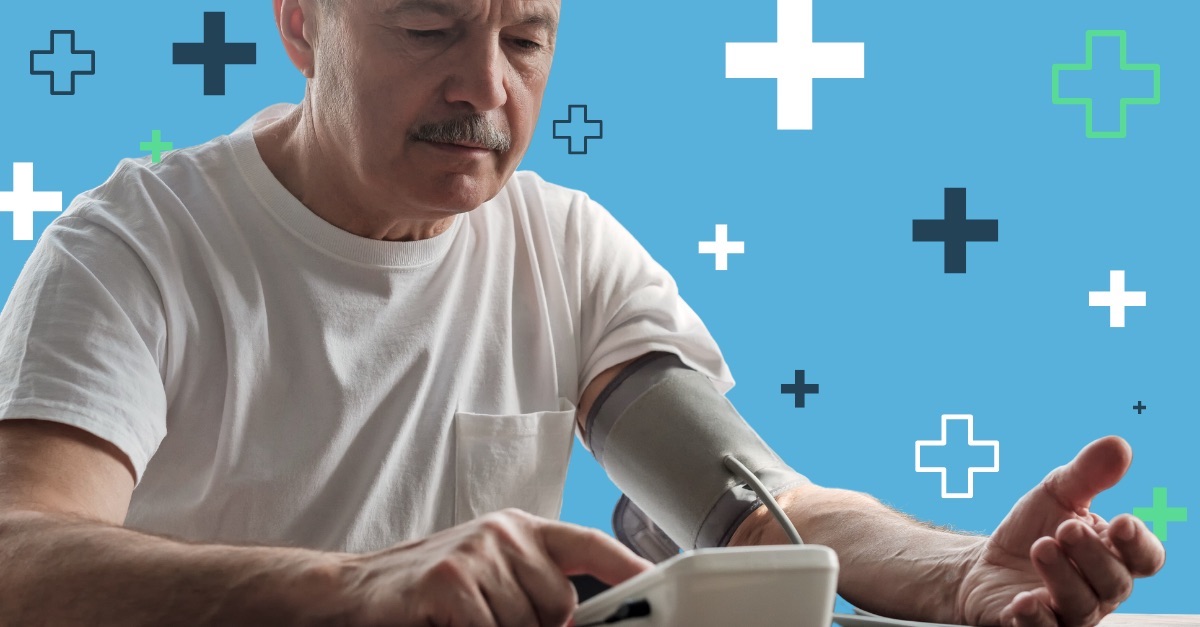
Remote Patient Monitoring, often referred to as RPM, involves the use of wearable devices or mobile applications that collect vital health data—such as heart rate, blood pressure, or glucose levels—and transmit this information directly to healthcare providers in real time. This continuous flow of data allows clinicians to observe patient health status remotely, enabling early detection of potential issues and timely interventions before complications develop.
For example, a medical center managing diabetes might utilize tablets equipped with glucose monitors that automatically upload readings to the electronic health record (EHR) system. This setup allows providers to track the patient’s blood sugar levels closely and intervene if there are concerning spikes. A recent survey highlighted that 90% of hospitals and clinics recognize the importance of 24-hour access to patient data through RPM, underscoring its value in continuous care.
RPM empowers patients by providing them with immediate insights into their health, encouraging better self-management of chronic conditions such as hypertension, heart failure, or diabetes. It also proves useful in post-operative recovery or monitoring illnesses that require close oversight, reducing the need for frequent in-person visits. For further insights into how digital health innovations are shaping the industry, visit the advancements in pharmaceutical visualization techniques.
What Is CCM?
Chronic Care Management (CCM) focuses on coordinated, ongoing support for patients managing multiple chronic conditions. The primary aim is to improve the quality of life and prevent complications through proactive, personalized care. Unlike RPM, CCM emphasizes regular remote communication, such as phone calls, messaging, or virtual visits, to assist patients with medication adherence, appointment scheduling, transportation, and education about their conditions.
Implementing an effective CCM program requires dedicated staffing and systems for consistent patient outreach. It involves a team approach, where healthcare providers educate and support patients in managing their illnesses, ensuring they follow prescribed care plans. This proactive engagement helps reduce emergency visits and hospital readmissions while fostering better health outcomes.
Starting or scaling CCM and RPM programs can be complex, especially without adequate resources or systems in place. That’s why partnering with organizations like ChartSpan can simplify workflows and help your practice efficiently handle patient enrollment and ongoing care. To understand more about health information systems, explore the comprehensive guide to electronic medical records in healthcare.
Key Differences Between RPM and CCM
| Aspect | Remote Patient Monitoring (RPM) | Chronic Care Management (CCM) |
|———|———————————-|——————————|
| Primary Purpose | Provides continuous, real-time health data to clinicians, mainly for observation and early intervention. It offers minimal direct patient engagement beyond data collection. | Supports ongoing, proactive care through regular communication, patient education, and assistance with medication adherence and appointments. It emphasizes patient-clinician interaction. |
| Eligibility | Suitable for both chronic and acute conditions; patients do not necessarily need multiple chronic diagnoses. Beneficial for a wide Medicare population. | Designed for patients with two or more chronic conditions who have been seen by a provider within the past year. Eligibility often depends on ongoing clinical needs. |
| Implementation | Uses devices like wearable sensors or mobile apps that transmit health data to the EHR system in real time. Patients are responsible for device setup and usage. | Involves dedicated care teams conducting scheduled remote outreach, education, and support to help patients adhere to care plans. No direct device data transmission is always necessary. | Learn how to optimize CCM reimbursements. |
| Billing & Reimbursement | Can be billed based on specific codes for device setup, data transmission, and time spent on monitoring. Separate from CCM billing. | Reimbursement is available for dedicated care coordination time, typically 20-minute sessions, billed under CPT codes 99490 or G0511 for FQHCs and RHCs. Time spent on CCM and RPM must be documented separately. |
Interesting:
- Understanding the differences between stna and cna key insights for aspiring healthcare assistants
- Understanding the differences and requirements for ce and cme credits in healthcare professions
- Understanding the key differences between pas and pa cs in healthcare
- Understanding the differences between eob and eop in healthcare
| Patient Support | Offers continuous updates on health data but does not guarantee 24/7 provider access. | Provides 24/7 access to healthcare professionals via a dedicated care line, ensuring immediate support for urgent concerns or questions. |
How RPM and CCM Interact and Complement Each Other
Although RPM and CCM are independent services, their strategic integration can significantly enhance patient care. RPM provides the real-time data necessary for clinicians to make informed decisions and tailor treatment plans dynamically. Meanwhile, CCM offers ongoing support, education, and engagement, ensuring patients follow prescribed care strategies and address concerns promptly.
Patients with chronic conditions are ideal candidates for RPM because they require regular monitoring—especially older adults, who often experience multiple health issues. The combination of continuous data collection with supportive communication helps reduce hospital readmissions and emergency visits, ultimately lowering healthcare costs. To explore innovative approaches like virtual reality and augmented reality in healthcare, see VR and AR applications across medical fields.
Benefits of Implementing RPM and CCM
1. Enhanced Access to Healthcare Services
Both programs address geographical and transportation barriers, allowing patients in rural or underserved areas to receive timely care without extensive travel. This increased accessibility helps ensure that more patients can benefit from proactive health management.
2. Early Detection and Prevention
Continuous monitoring through RPM and regular engagement via CCM enable providers to identify health deterioration early. Detecting issues like blood pressure spikes or symptom changes allows for prompt intervention, which can prevent hospitalizations and reduce complications.
3. Better Health Outcomes
Close tracking of vital signs, symptoms, and medication adherence facilitates personalized care plans. Studies indicate that such programs contribute to lower hospitalization rates and improved quality of life for patients with chronic illnesses.
4. Fewer In-Person Visits
Remote services mean fewer unnecessary visits to clinics, reducing exposure risks and increasing convenience for patients. This also eases the burden on healthcare facilities, especially during health crises like pandemics.
Overcoming Challenges in RPM and CCM Adoption
While offering significant benefits, integrating RPM and CCM into your practice involves hurdles such as cost, reimbursement complexities, and patient engagement. Reimbursement depends on proper billing, which requires investment in devices, software, and staff training. For example, RPM devices for hypertension are generally more cost-effective than those for complex conditions like COPD, due to the number of vital signs monitored.
Securing patient consent and enrollment is another challenge. Medicare mandates explicit consent, and education about the value of remote programs is necessary to foster participation. Low enrollment rates often stem from patients’ misconceptions about costs or the perceived necessity of monitoring, which underscores the importance of clear communication and patient-centered marketing strategies.
For detailed strategies on overcoming these barriers, see the challenges associated with RPM programs.
How Your Practice Can Benefit from a Partner Like ChartSpan
Managing the administrative and operational aspects of RPM and CCM can be overwhelming, but solutions are available. ChartSpan offers comprehensive services to streamline workflows, improve patient enrollment, and optimize reimbursements. Our full-service CCM program handles all care coordination tasks, freeing your staff to focus on direct patient care.
Additionally, our RPM Enrollment as a Service (EaaS) simplifies patient identification and enrollment processes, ensuring your practice captures maximum reimbursement potential. Learn how to enroll patients effectively in CCM with expert assistance that reduces administrative burdens.
How ChartSpan Supports Your Practice
- Patient Enrollment & Engagement: We identify and enroll eligible patients in RPM and CCM programs, applying proven marketing techniques to enhance understanding and participation.
- Patient and Family Support: Our 24/7 care line offers immediate assistance, helping patients and caregivers navigate their health journeys.
- Remote CCM Care: Each month, our team conducts dedicated calls to address health concerns, reinforce care plans, and promote adherence.
Implementing and optimizing RPM and CCM can be complex, but with the right partner, your practice can unlock their full potential—delivering better care and improving outcomes. To learn more about how healthcare organizations are leveraging virtual tools, visit VR and AR in healthcare.
Partner with us to elevate your remote care capabilities, enhance patient satisfaction, and maximize your revenue streams.