


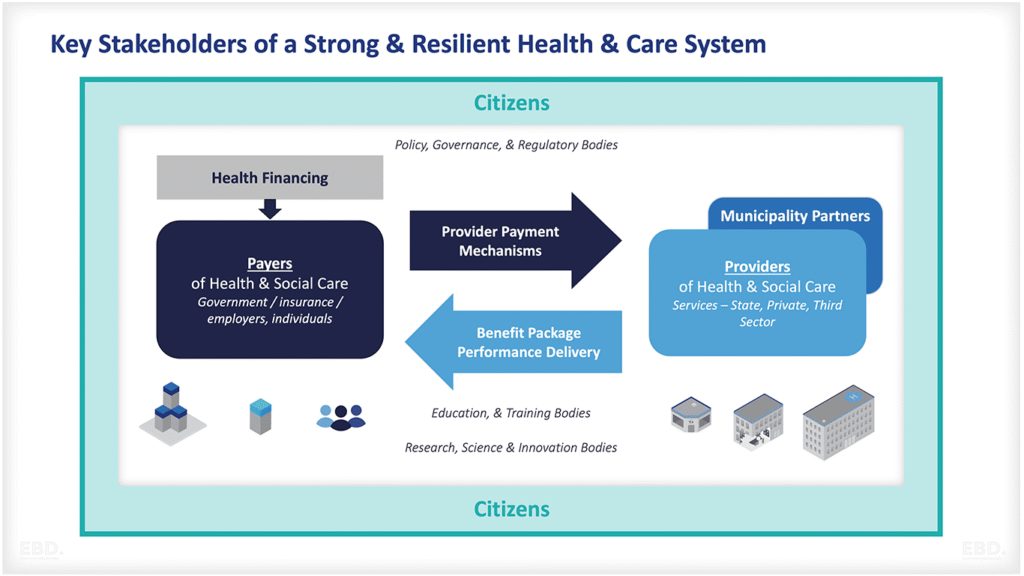
The healthcare sector is a multifaceted and dynamic environment that involves numerous stakeholders, each with distinct interests, roles, and influences. Recognizing and effectively managing these diverse groups is crucial for ensuring a high-quality, efficient, and equitable health system. Stakeholders range from individual patients and families to large organizations, regulatory bodies, and industry players, all interconnected within what is often described as a complex adaptive system. This means that their interactions and relationships shape the system’s behavior more than any single entity acting alone. Navigating this complexity requires strategic engagement, clear communication, and a thorough understanding of each stakeholder’s needs and influence.
Healthcare accounts for roughly 10% of global gross domestic product, reflecting its significance and complexity. The interconnected nature of stakeholders means that no single group can operate in isolation without considering the broader ecosystem. Effective stakeholder engagement strategies—such as consultation, dialogue, and collaboration—are vital to fostering trust, managing conflicts, and driving positive health outcomes. When managed strategically, these relationships can significantly enhance service delivery, policy development, and system sustainability.
This overview explores the various stakeholder groups within healthcare, their relationships, and the importance of strategic engagement in managing such a complex sector. It also discusses methods for mapping stakeholder influence and interest to optimize participation and collaboration. For example, understanding the boundaries and responsibilities of healthcare professionals, including the legal considerations surrounding their practice, is essential. You can find more about these legal aspects in this resource.
Interesting:
Healthcare stakeholders also include those involved in recording and managing health data. Ensuring compliance with regulations and ethical standards in documentation is critical, as detailed in this guide. Additionally, navigating careers in healthcare with prior legal issues, such as misdemeanors, requires careful understanding of licensing and employment regulations, which can be explored further here.
Effective management of stakeholder relationships involves mapping out individual roles and influence levels. Tools and techniques exist to identify key players, assess their interests, and develop tailored engagement strategies. A well-executed stakeholder mapping exercise can reveal opportunities for collaboration, identify potential conflicts, and highlight areas where system improvements are possible. For insights on strategic financial planning in healthcare, which is vital for sustainable growth, refer to this resource.
In conclusion, understanding the myriad stakeholders within the healthcare ecosystem is fundamental to fostering a responsive, efficient, and patient-centered system. By actively engaging these groups and strategically managing their relationships, healthcare providers and policymakers can better navigate the complexities of the sector and achieve shared health goals.