


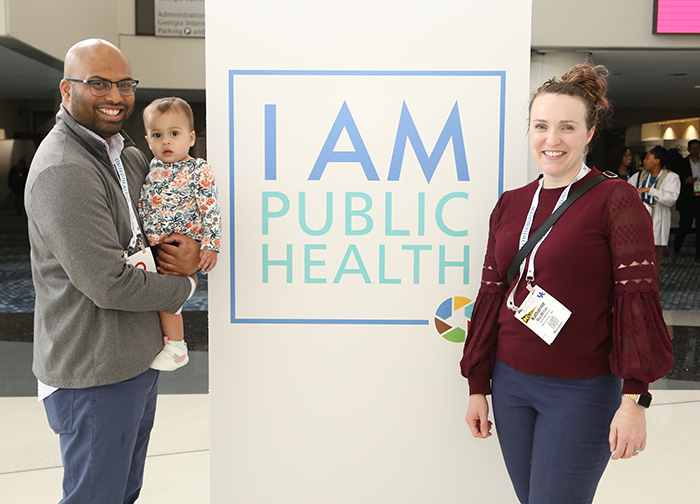
Public health is a vital field dedicated to promoting and safeguarding the well-being of entire communities and populations. It encompasses a broad spectrum of activities aimed at creating environments where individuals can live, learn, work, and play in safety. This discipline relies heavily on scientific research and evidence-based strategies to address health concerns that affect society at large, rather than just individual medical cases.
Public health initiatives are fundamental in shaping healthier societies by preventing disease, promoting healthy lifestyles, and protecting populations from health threats. It involves a wide range of efforts, from disease surveillance and vaccination programs to policy advocacy and environmental health measures. For example, public health professionals work tirelessly to monitor disease outbreaks and implement vaccination campaigns to contain contagious illnesses. They also establish safety standards to protect workers and develop nutritional programs in schools to ensure children have access to nutritious food. Additionally, public health advocates for legislation that promotes safety, such as laws banning indoor smoking and mandating seatbelt use, along with efforts to combat gun violence and address climate change’s health impacts. Recognizing and tackling social determinants of health, such as racism and inequality, has also become a crucial part of modern public health strategies, as these factors significantly influence community well-being. To learn more about the fundamentals of public health, visit the PHERN learning series.
Why Is Public Health So Essential?
The importance of public health cannot be overstated. It enhances overall quality of life by reducing preventable diseases and health disparities, ensuring that children and vulnerable populations can thrive. Through proactive measures, public health initiatives help diminish human suffering and lower healthcare costs by preventing health issues before they escalate into more serious conditions. Daily, public health professionals work behind the scenes to identify hazards and implement measures that keep communities safe—such as tracking disease outbreaks, enforcing safety regulations, and promoting healthy behaviors. These efforts are crucial for maintaining societal resilience, especially in times of crisis or emerging health threats. For instance, public health efforts include setting safety standards to protect workers from occupational hazards, developing programs to improve childhood nutrition, and advocating for policies that ensure clean air and water. Addressing larger issues like climate change and social inequities is also integral to safeguarding community health. For a comprehensive understanding, explore how public health services operate in practice through the 10 Essential Public Health Services.
Who Are the Professionals Behind Public Health?
Public health is a collaborative effort involving professionals from various sectors, including government agencies, private organizations, and nonprofit entities. These experts work together to develop and implement strategies that improve health outcomes across populations. Some key roles include health educators, community health workers, epidemiologists, nutritionists, and environmental scientists. Other vital professionals are policy makers, social workers, biostatisticians, occupational health specialists, and first responders. Many public health workers also include physicians, nurses, sanitarians, and researchers who analyze data and develop interventions. These diverse roles highlight the multidisciplinary nature of public health, emphasizing the importance of teamwork and expertise in addressing complex health challenges. If you’re interested in understanding different health insurance options and how they fit into public health strategies, you can compare private and public coverage options here.
Interesting:
How Does Public Health Differ from Healthcare?
While healthcare primarily focuses on diagnosing and treating individual patients, public health concentrates on preventing health issues at the population level. Healthcare services are targeted toward individuals who are already sick or injured, providing medical treatment and rehabilitation. Conversely, public health aims to prevent disease before it occurs by implementing policies and programs that promote healthy behaviors and environments. This approach involves surveillance, health education, vaccination campaigns, and environmental health measures that benefit entire communities. The distinction is crucial: public health initiatives seek to reduce the incidence of disease and injury on a broad scale, ultimately decreasing the demand for healthcare services. To see how public health functions in real-world settings, explore the 10 Essential Public Health Services.
How Does the American Public Health Association Promote Better Health?
The American Public Health Association (APHA) plays a pivotal role in advancing public health efforts in the United States. It advocates for policies rooted in scientific evidence, working to improve health outcomes for all communities. APHA supports the public health workforce by providing resources, research, and policy recommendations. It publishes influential journals like American Journal of Public Health and The Nation’s Health to disseminate the latest research and best practices. Through campaigns such as Public Health Week and initiatives like Get Ready, APHA raises public awareness about health issues and promotes community engagement. The organization also collaborates with state and local health agencies to implement programs that address health disparities and social determinants of health. If you’re interested in joining this movement, learn how to get involved through membership and advocacy efforts. For additional insights on public health advancements, visit the latest updates on public health campaigns.
How Can You Engage with Public Health Initiatives?
Getting involved in public health can be a rewarding way to contribute to community well-being. By becoming a member of organizations like APHA, you join thousands of professionals dedicated to building a healthier future. Participating in public health advocacy allows you to influence policies that shape health systems and community safety. Following updates via social media and subscribing to newsletters helps you stay informed about current issues and opportunities for action. Donations and volunteering efforts further support vital programs aimed at improving health equity. Whether you’re a healthcare professional, student, or concerned citizen, your involvement can make a tangible difference in promoting health for all. For those exploring health coverage options, understanding the differences between private and public insurance plans can be helpful—more details are available at comparing health insurance plans.