


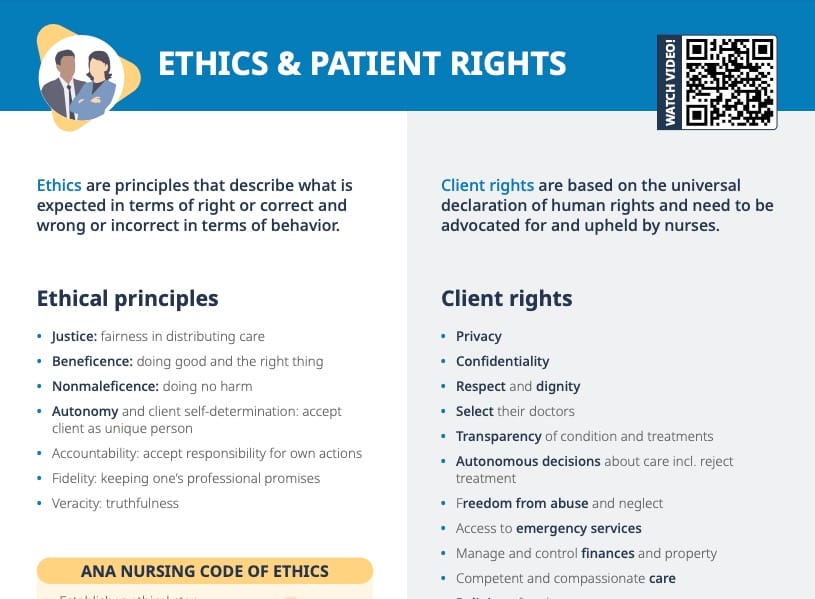
Patients’ rights and responsibilities form a fundamental foundation of ethical and effective healthcare delivery. Recognizing these rights promotes trust, respect, and transparency between patients and healthcare providers, ensuring that individuals receive not only quality medical care but also dignity and autonomy throughout their treatment journey. Equally important are patients’ responsibilities, which encourage active participation and cooperation, enhancing the overall effectiveness of care. A comprehensive understanding of these concepts is essential for nurses and healthcare professionals committed to upholding ethical standards and fostering a patient-centered environment.
Healthcare rights have evolved over decades, rooted in both legal frameworks and international declarations. The universal declaration of human rights, established in 1948, affirms the inherent dignity and equal rights of all individuals, laying the groundwork for the concept of patient rights. This foundation led to the development of specific legal statutes, such as the patient self-determination act, which explicitly supports individuals’ authority to make informed choices about their treatments, including the right to refuse or accept care.
One of the core principles in healthcare is patient autonomy—the right to make decisions about one’s own medical care. This includes selecting healthcare providers trusted and comfortable for their needs, free from coercion or undue influence. Patients also have the right to comprehensive pain management, which encompasses timely assessments, clear explanations of available treatments, and active participation in pain-related decisions. Effective pain control not only alleviates discomfort but also respects the patient’s dignity and quality of life. Patients should feel empowered to voice concerns if their pain is inadequately managed and seek second opinions when necessary.
Transparency in billing and medical records is another vital aspect of patient rights. Healthcare providers and insurers are legally obligated to correct errors, provide clear explanations of charges, and ensure that sensitive information remains confidential. The Health Insurance Portability and Accountability Act (HIPAA) further reinforces the patient’s right to privacy and confidentiality of their medical information, safeguarding personal health details against unauthorized access.
Interesting:
Patients also have specific expectations about the information and communication they receive from healthcare providers. For example, obtaining a thorough explanation of procedures before they are performed is grounded in the right to informed consent. Respecting cultural practices, maintaining privacy during sensitive conversations, and requesting translation services are all expressions of respect and dignity. Clear communication about billing fosters transparency and trust, while respecting the right to refuse specific treatments or medications empowers patients to participate actively in their care. Access to medical records further supports transparency and informed decision-making.
However, nurses often encounter unrealistic patient expectations driven by misconceptions, emotional distress, or lack of medical knowledge. Addressing these expectations requires patience, clear communication, and education to align patient understanding with realistic outcomes.
Alongside patient rights, responsibilities play a crucial role in ensuring effective healthcare. Patients are expected to engage actively in their care by following prescribed treatments, providing accurate health information, and respecting healthcare staff. These responsibilities often mirror the rights patients hold, emphasizing mutual respect and cooperation. For instance, patients should understand the importance of adhering to treatment plans and maintaining open communication with their care team.
Fostering an understanding of both rights and responsibilities enhances the overall quality and safety of healthcare. It encourages a collaborative environment where patients feel valued and empowered, and healthcare professionals can deliver care that is respectful, ethical, and effective. For further insights into the broader implications of healthcare policies, such as the significance of universal coverage, visit the importance of universal healthcare. Additionally, implementing rigorous risk management practices is vital for safeguarding patient safety, which can be explored at the role of risk management in healthcare safety. For those aspiring to leadership roles in healthcare management, pursuing advanced education can be beneficial; learn about the best online healthcare management degrees for future leaders.