

Healthcare workflows are the structured processes that underpin effective patient care and ensure the smooth operation of healthcare organizations. These workflows coordinate a wide range of tasks, information transfers, and decision-making activities across various settings within the healthcare system. They define how work is executed, clarify roles and responsibilities, and establish timing, directly influencing the quality, safety, and efficiency of healthcare services. Recognizing the different categories of healthcare workflows—clinical, administrative, and inter-organizational—helps stakeholders understand how each contributes to delivering comprehensive patient care and maintaining operational excellence.
The evolution of healthcare technology, especially advancements like artificial intelligence, has significantly enhanced workflow efficiency. For example, AI-driven solutions help streamline processes such as patient data analysis, diagnostics, and administrative tasks, leading to faster, more accurate outcomes. To explore ongoing innovations, see how AI is transforming healthcare. As healthcare systems become more interconnected, understanding these workflow types provides clarity on how organizations can optimize performance and improve patient outcomes.
Table of Contents
Clinical Workflows
Clinical workflows encompass all processes directly involved in patient care management. These sequences of tasks, decisions, and information exchanges are performed by healthcare professionals to assess, diagnose, treat, and monitor patients. They incorporate evidence-based practices, clinical decision support tools, documentation standards, and team communication protocols.
From initial patient presentation to follow-up care, clinical workflows ensure that each step is handled efficiently and safely. Well-designed clinical processes help reduce cognitive load on providers, minimize errors, and standardize best practices to enhance patient outcomes and resource utilization. They cover areas such as:

1. Patient Admission and Discharge
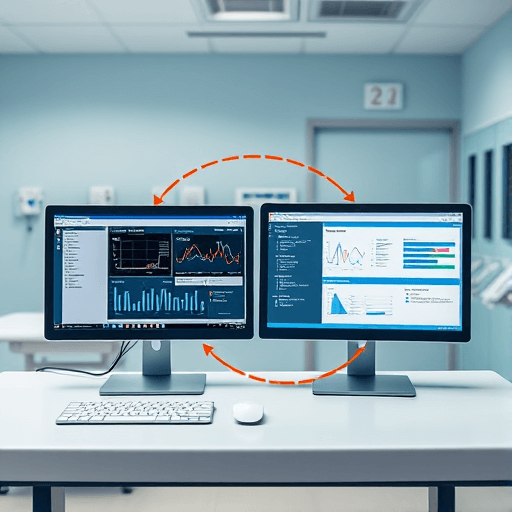
The patient admission process begins immediately upon a patient’s arrival, initiating essential clinical and administrative steps. Healthcare staff assess the patient, document vital information into the Electronic Health Record (EHR), and allocate resources such as beds and care teams. This process includes tasks like room assignment, notifying relevant personnel, and medication reconciliation. Efficient admission workflows help reduce wait times and prevent bottlenecks, ensuring that the patient receives timely, coordinated care from the outset.
Discharge workflows are equally important in ensuring a smooth transition from the hospital back to the patient’s home or another care setting. They involve medication reconciliation, prescribing follow-up treatments, scheduling appointments, and providing caregiver education. Proper discharge planning minimizes the risk of readmission, supports ongoing recovery, and maintains continuity of care. Implementing well-structured discharge procedures is crucial for patient safety and satisfaction.
2. Electronic Health Record (EHR) Management
Managing electronic health records efficiently is vital for maintaining accurate, accessible, and up-to-date patient information. These workflows standardize how records are created, updated, and shared among healthcare providers. They leverage structured templates, voice recognition, and smart phrases to streamline documentation of patient histories, physical exams, and treatment plans.
Automation within EHR workflows enhances data accuracy and reduces repetitive manual entry. For example, order entry systems facilitate requests for tests, medications, and referrals while preventing duplicate orders or contraindications. Integrated alerts help providers track follow-up needs and other critical actions. These workflows improve clinical efficiency, support compliance with regulations, and allow clinicians to focus more on patient care rather than administrative burdens. For more insights, see the role of AI in healthcare.
3. Staff and Clinician Onboarding Made Simple
Onboarding new healthcare staff is a critical process that ensures smooth integration into clinical workflows. This structured approach includes verifying credentials, providing system access, and delivering orientation and training. Effective onboarding assigns mentors, confirms competencies, and ensures familiarity with regulatory requirements such as immunizations and background checks.
Credentialing workflows verify a provider’s qualifications by reviewing education, licensure, and practice history, often through national databases and peer reviews. Proper onboarding reduces delays, lowers early turnover, and enhances patient safety by confirming that new staff are fully prepared to deliver quality care. Streamlining these processes with digital tools accelerates integration and compliance.
4. Diagnosis Workflows
Diagnosis workflows guide clinicians through the systematic process of identifying patient conditions. They begin with assessing the chief complaint, gathering detailed history, and conducting physical examinations. Based on this information, clinicians develop differential diagnoses and select appropriate diagnostic tests.
These workflows often incorporate clinical decision support tools and evidence-based guidelines to improve accuracy and reduce errors. They facilitate timely specialist consultations and treatment escalation when necessary. Streamlined diagnosis workflows help prevent misdiagnoses, reduce unnecessary testing, and ensure thorough documentation for continuity of care. They are essential for delivering prompt, effective treatment.
5. Medication Management
Medication management workflows oversee all stages of medication use, from prescribing to monitoring. They aim to ensure safe, effective drug therapy by incorporating allergy checks, dosage calculations, and interaction verifications. These workflows guide prescribers in selecting the appropriate medication based on diagnosis, patient history, and clinical guidelines.
Order entry systems support accurate prescribing and facilitate communication with pharmacists. Medication administration workflows standardize delivery through barcode scanning, double-check protocols, and timing accuracy to prevent errors. Continuous monitoring ensures drug efficacy and safety, minimizing adverse effects. Implementing robust medication workflows is vital for patient safety and optimal therapeutic outcomes.
Administrative Workflows
Administrative workflows support the operational aspects of healthcare organizations, managing non-clinical functions such as patient registration, appointment scheduling, billing, coding, claims processing, and records management. These workflows ensure data accuracy, regulatory compliance, and financial sustainability while reducing administrative burdens on clinical staff.
Effective administrative processes facilitate seamless information flow between patients, providers, insurers, and regulatory agencies. They optimize resource use, reduce redundant tasks, and speed up care delivery. Well-designed workflows create a positive patient experience and support organizational goals. Key areas include:


Interesting:
- Understanding the three main types of healthcare billing systems
- Understanding the three main types of healthcare billing systems 2
- Understanding the three main types of medical billing systems
- Navigating the three main types of healthcare billing systems
- Understanding the role of apcs in healthcare definitions types and payment systems
1. Patient Registration
Patient registration is the initial step in a healthcare visit, involving the collection of personal information, insurance details, and consent forms. Accurate verification of identity and coverage is essential for proper documentation, billing, and legal compliance. A streamlined registration process minimizes wait times, prevents duplicate entries, and enhances the overall patient experience.
Digital registration tools improve efficiency and accuracy, ensuring that all necessary data is captured correctly. Proper registration supports subsequent workflows like scheduling and billing, creating a smooth continuum of care and documentation.
2. Appointment Scheduling
Efficient scheduling balances patient needs with provider availability. It involves selecting appropriate providers, managing cancellations, and prioritizing urgent cases. Automated scheduling systems and triage protocols help reduce gaps between appointments and improve clinic throughput. Reminders sent to patients decrease no-shows, contributing to smoother operations and better resource utilization.
Optimized scheduling enhances patient satisfaction by reducing wait times and ensures providers can deliver timely care. This process is vital for maintaining operational efficiency, especially in busy healthcare facilities.
3. Insurance Verification and Authorization
Verifying insurance coverage prior to treatment prevents billing issues and claim denials. This process involves checking patient eligibility, benefits, and pre-authorizations through insurer portals or direct communication. Accurate documentation ensures that patients are informed about their financial responsibilities upfront.
Pre-authorization workflows track approval statuses for specific procedures, reducing delays and ensuring compliance with payer requirements. Streamlining these steps minimizes financial risk for providers and builds trust with patients by maintaining transparency.
4. Billing and Claims Management
Billing workflows translate clinical services into claims for reimbursement. They encompass charge capture, coding, claim submission, and payment reconciliation. Automated checks help prevent errors, while tracking denied claims reveals patterns that can improve future submissions.
Effective claims management maximizes reimbursements, accelerates cash flow, and reduces financial losses. Transparency in billing enhances patient trust and satisfaction, supporting the financial health of healthcare organizations.
Inter-organizational Workflows
Inter-organizational workflows coordinate patient care across multiple healthcare entities, ensuring continuity and seamless information exchange during transitions between settings. These processes establish standardized communication protocols, data sharing mechanisms, and responsibility transfers, helping overcome the challenges posed by fragmented healthcare delivery systems.
Properly designed workflows prevent information loss, reduce delays, and minimize redundant testing or procedures. They foster collaborative care, improve patient outcomes, and ensure that care delivery remains consistent regardless of organizational boundaries.
1. Referral Management
Referral workflows streamline the process when a patient needs specialized services outside the primary provider’s scope. They start with identifying the need for a referral, followed by scheduling consultations, sharing relevant data, and tracking progress. Structured communication and documentation improve accountability, reduce delays, and ensure that patients receive timely specialist care.
Effective referral management enhances decision-making and helps maintain continuity, benefiting patient outcomes.
2. Patient Transfer Between Facilities
Transfers involve moving patients between hospitals, rehabilitation centers, or nursing homes. These workflows coordinate assessments, secure transfer arrangements, and complete medical record handoffs. Clear responsibilities and standardized procedures prevent delays and ensure patient safety during transitions. Minimizing miscommunication and streamlining logistics are crucial for maintaining care quality, especially for critically ill patients.
3. Health Information Exchange (HIE)
HIE workflows enable secure sharing of patient data across healthcare organizations. They verify patient identities, manage consent, and facilitate data integration, ensuring clinicians have access to complete medical histories. Proper implementation reduces unnecessary tests, improves care coordination, and enhances decision-making processes.
4. Care Network Collaboration
Collaborative workflows connect multiple healthcare providers to deliver coordinated, patient-centered care. These systems support shared communication, joint care planning, and tracking of patient progress across organizations. They also incorporate social services to address broader health determinants, fostering comprehensive and continuous care. Strong collaboration reduces fragmentation, improves outcomes, and optimizes resource use.
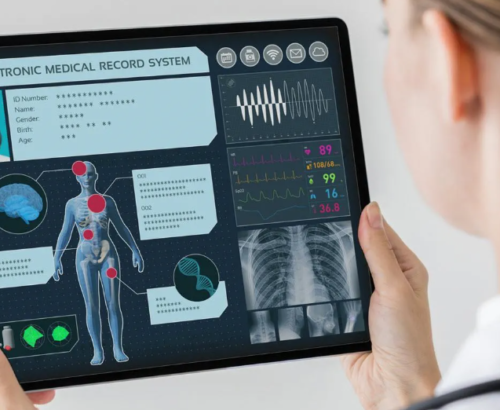

Partnering with a leader in healthcare workflow development, such as Himcos, empowers organizations to implement cloud-native, AI-enhanced solutions that unify clinical and financial data. This integration helps eliminate information silos, optimize team productivity, and enhance patient care quality.