






Understanding Healthcare Providers and Their Role in Insurance
 December 26, 2025
Navigating the world of health insurance can be complex, especially when it comes to understanding the different types of healthcare providers and how they fit into your coverage. A clear grasp of what constitutes a provider, the network structures involved, and how insurance plans interact with these entities is essential for making informed healthcare decisions. This article explores the definition of a provider, the significance of in-network versus out-of-network options, and how modern technologies are transforming healthcare delivery, including innovative approaches like virtual reality in medicine.
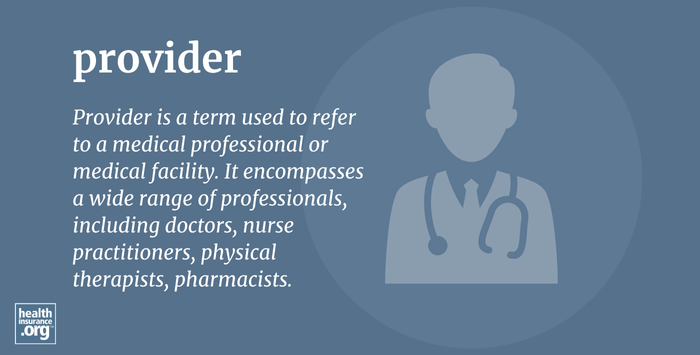
A healthcare provider is a term that broadly describes individuals or organizations responsible for delivering medical services. These can include a variety of medical professionals such as physicians, nurse practitioners, physical therapists, pharmacists, and specialists. In addition to professionals, providers also encompass facilities like hospitals, outpatient clinics, pharmacies, and surgical centers. The role of a provider is central to the healthcare system, as they are the entities that furnish the services covered under your insurance plan.
Most health insurance plans establish a network of preferred providers—these are healthcare professionals and facilities that have agreed to offer services at negotiated rates. When you select in-network providers, your insurance typically covers a larger portion of the costs, leading to lower out-of-pocket expenses. Conversely, seeking care from out-of-network providers often results in higher costs, and some plans may refuse to cover services received outside their network altogether. It is important to understand that the insurance company itself is not a provider; rather, it contracts with these professionals and facilities to facilitate coverage.
Understanding the structure of your health plan’s provider network can be crucial when planning your healthcare. For example, some plans require you to select a primary care provider who coordinates your care and refers you to specialists. Others may offer more flexibility but at higher costs if you go outside the network. To maximize your benefits, it’s advisable to verify whether your preferred healthcare professionals and facilities are part of your insurance’s network before scheduling appointments.
Interesting:
- Understanding healthcare performance metrics and their role in improving care
- Understanding healthcare management service organizations msos and their role in modern medical practices
- Understanding managed care organizations and their role in healthcare
- Understanding the role of managed service providers in healthcare and when to seek better solutions
The integration of advanced technology is also reshaping how healthcare providers deliver services. Innovations such as virtual reality now play a significant role in medical training, patient education, and even treatment. For a broader perspective on how these digital tools are transforming medicine, you can explore virtual reality in medicine perspectives and features. Additionally, emerging technologies like VR and AR are increasingly being used for therapies and diagnostics, which could be covered under expanding healthcare plans. For instance, some providers utilize immersive environments to assist in mental health treatments or physical rehabilitation.
Furthermore, advancements in artificial intelligence (AI) are helping improve healthcare diagnosis and treatment plans. AI-driven tools can analyze vast amounts of data rapidly, offering insights that assist healthcare professionals in making more accurate decisions. The role of AI in healthcare is growing, providing benefits such as early disease detection and personalized medicine. To understand how AI contributes to better healthcare outcomes, check out the advantages of AI in healthcare diagnosis.
As technology continues to evolve, so do the opportunities for innovative therapies, including immersive therapy, which is emerging as a promising approach for mental health treatment. These immersive experiences can help patients confront fears, reduce anxiety, or improve mood through controlled, virtual environments. For a detailed look at this revolutionary approach, visit immersive therapy as a new frontier in mental health.
In summary, understanding what a healthcare provider is, how networks operate, and the impact of technological advancements can help you navigate your health insurance more effectively. Whether you are seeking routine care or exploring new treatment options, knowing your provider options and the latest innovations can lead to better health outcomes and more efficient use of your insurance benefits.