






Understanding Electronic Medical Records: Features, Use Cases, and Leading Systems
 December 28, 2025
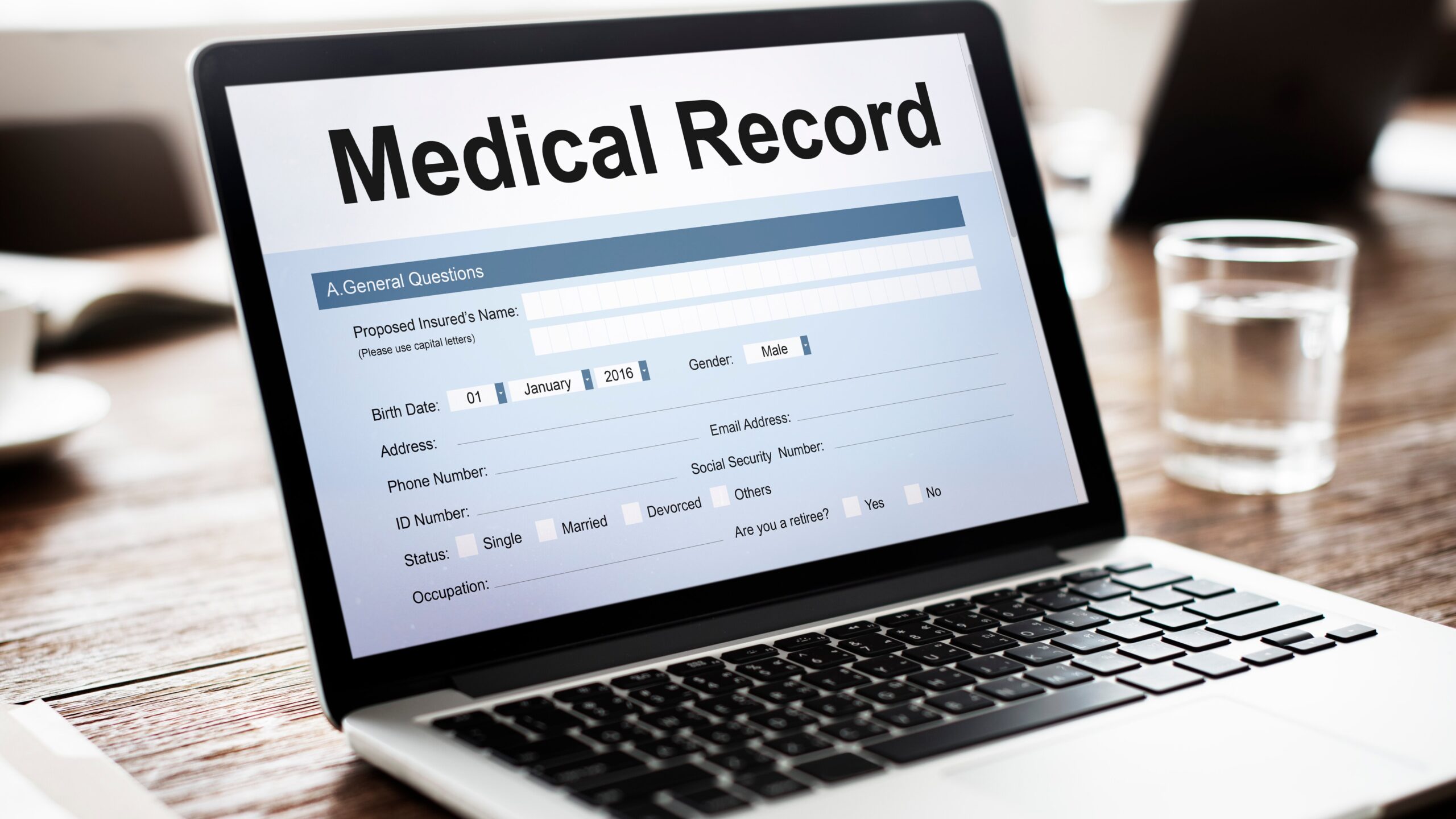
Healthcare’s ongoing digital transformation has revolutionized how patient information is stored, accessed, and shared. Central to this evolution are Electronic Medical Records (EMRs), which are reshaping clinical workflows, improving patient safety, and enhancing overall care quality. This article explores the fundamental aspects of EMR technology, illustrating its core features, practical applications, and some of the most prominent EMR systems used today.
What is EMR?
Electronic Medical Records (EMRs) are digital counterparts to traditional paper charts, containing detailed information about a patient’s medical history, diagnoses, medications, treatment plans, immunization records, allergies, radiology images, and laboratory test results. Unlike paper-based records that can be misplaced or inaccessible, EMRs offer a centralized, secure, and easily retrievable platform that provides healthcare providers with real-time access to critical patient data. This shift not only enhances accuracy but also streamlines clinical operations and supports better decision-making.
Main Features of EMR Systems
EMR solutions come equipped with an array of features designed to optimize healthcare delivery and operational efficiency:
Centralized Patient Data Management
EMR platforms serve as a unified digital repository for all patient-related information, including medical history, current diagnoses, prescribed medications, allergy alerts, and treatment notes. This centralized system simplifies data access for healthcare professionals, reducing the time spent searching through disparate records and minimizing errors.
Instantaneous Data Access
One of the key advantages of EMRs is the ability to retrieve patient data swiftly and securely. This immediate access supports prompt clinical decisions, especially in emergency situations, and enables healthcare teams to coordinate care more effectively across departments or facilities.
Streamlined Documentation
EMR systems facilitate efficient documentation of patient encounters, procedures, and treatment updates. By automating record-keeping, these systems reduce administrative burdens, cut down on paperwork, and decrease the likelihood of transcription errors, leading to smoother workflows.
Interoperability and Data Sharing
A crucial feature of modern EMRs is their capacity to communicate seamlessly with other healthcare systems and devices. Interoperability fosters care continuity, allowing different providers and specialists to access and exchange relevant patient information effortlessly. For example, integrating EMRs with laboratory or imaging systems ensures that diagnostic results are quickly available for review.
Clinical Decision Support Tools
Many EMRs incorporate decision-support functionalities, such as alerts for potential drug interactions, reminders for preventive screenings, and evidence-based guidelines. These tools assist clinicians in making informed, timely decisions, ultimately improving patient safety and care outcomes. To understand the broader role of data analytics in healthcare, visit the power of information in health.
How EMR Systems Function: A Typical Scenario
Imagine a patient—let’s call her Sarah—visits her primary care provider for a routine check-up. The receptionist enters her details into the EMR system, creating a secure digital record. During the consultation, the physician reviews Sarah’s medical history, previous diagnoses, allergies, and current medications—all accessible instantly through the EMR interface. The doctor notes her current symptoms and updates her record accordingly.
Later, Sarah undergoes lab testing. The technician receives the electronic requisition directly from the EMR, and once results are available, they are automatically integrated into her record. This allows the doctor to review the latest findings immediately and adjust treatment plans if necessary. If Sarah needs to see a specialist, her records, including recent tests and history, are transferred seamlessly, reducing redundant tests and ensuring continuity of care. This example underscores how EMRs facilitate comprehensive, real-time management of patient information, fostering better communication among healthcare providers and enhancing patient outcomes.
Common Use Cases of EMR
EMRs are versatile tools applied across various healthcare settings and specialties:
General Healthcare Applications
- Maintaining detailed patient profiles, including demographics and contact info.
- Managing treatment plans and tracking patient progress over time.
- Monitoring and prescribing medications with integrated management tools.
- Scheduling appointments efficiently to reduce overlaps and delays.
- Documenting clinical notes, diagnoses, and observations systematically.
Specialized Medical Fields
- Dental: Managing dental charts, treatment history, and imaging.
- Mental Health: Recording psychiatric evaluations, therapy notes, and medication regimens.
- Orthopedics: Tracking musculoskeletal assessments, imaging, and surgical procedures.
- Ophthalmology: Documenting eye exams, visual acuity tests, and ocular imaging.
- Oncology: Managing cancer treatment protocols and patient data.
- Pediatrics: Recording growth charts, developmental milestones, and vaccination schedules.
Healthcare Environment-Specific Uses
- Inpatient EMRs: Handling hospital-based records, surgical procedures, and inpatient care coordination.
- Outpatient EMRs: Managing ambulatory care, follow-up visits, and outpatient treatments.
- Long-Term Care EMRs: Documenting ongoing care plans, medication administration, and resident health data in nursing homes.
Technological Integration and Data Analysis
- Cloud-Based EMRs: Providing remote access, scalability, and secure data storage.
- Interoperable Systems: Connecting with other health IT solutions for seamless data exchange.
- Mobile EMRs: Allowing clinicians to access patient information via smartphones and tablets.
- Research and Population Health: Aggregating data for clinical studies, health trend analysis, and outcome assessments. Learn more about how data-driven insights are transforming healthcare here.
Top EMR Systems for Healthcare Providers
Choosing the right EMR system depends on the size, specialty, and specific needs of a healthcare organization. Here are some of the most widely recognized solutions:
Interesting:
1. Epic EMR
Known for its extensive functionality and widespread adoption among large hospitals and academic centers, Epic offers comprehensive patient records, robust interoperability, and advanced analytics. Its patient portal, MyChart, enhances patient engagement.
2. Cerner
A global leader in health information technology, Cerner supports population health management, clinical decision support, and seamless integration with various health systems. Its customizable workflows cater to diverse healthcare settings.
3. Allscripts
Offering flexible solutions for outpatient clinics and hospitals, Allscripts provides integrated practice management, care coordination features, and extensive interoperability options, supporting efficient clinical operations.
4. athenahealth
A cloud-based EMR praised for its user-friendliness, athenahealth features revenue cycle management, telehealth integration, and real-time analytics, making it ideal for practices seeking scalable and accessible solutions.
5. eClinicalWorks
Favored by small to mid-sized practices, this platform offers telehealth capabilities, patient portals, and customizable workflows, along with comprehensive billing and reporting tools.
6. NextGen Healthcare
Designed for specialty practices, NextGen emphasizes clinical efficiency with specialty-specific templates, patient engagement, and advanced analytics. Its mobile access supports clinicians on the go.
7. MEDITECH
Particularly popular among community hospitals, MEDITECH provides integrated clinical and financial management, scalable solutions, and strong patient engagement features.
8. GE Healthcare (Centricity)
Focused on interoperability and data analytics, Centricity offers tailored solutions aimed at improving clinical workflows and patient outcomes across healthcare networks.
9. Practice Fusion
A cloud-based, affordable EMR for primary care practices, Practice Fusion features intuitive charting, e-prescribing, appointment scheduling, and easy third-party integration.
10. Custom EMR Development by Ominext
For organizations with unique requirements, Ominext specializes in developing bespoke EMR solutions. These tailor-made systems offer high flexibility, seamless integration, and scalability, aligning perfectly with specific clinical workflows. Contact us for a free consultation to discover how customized EMRs can elevate your healthcare services.
Conclusion
EMRs represent a transformative step forward in healthcare technology, enabling digital management of patient data that supports improved safety, efficiency, and clinical decision-making. Their features—ranging from centralized data repositories and real-time access to interoperability and decision support—are critical in delivering high-quality care. As healthcare continues to evolve, integrating advanced EMR systems will be pivotal in meeting the growing demands for data-driven, patient-centered services. For further insights into how technology shapes the future of medicine, explore this detailed overview.