






Transforming Hospital Materials Management for Enhanced Healthcare Delivery
 December 23, 2025
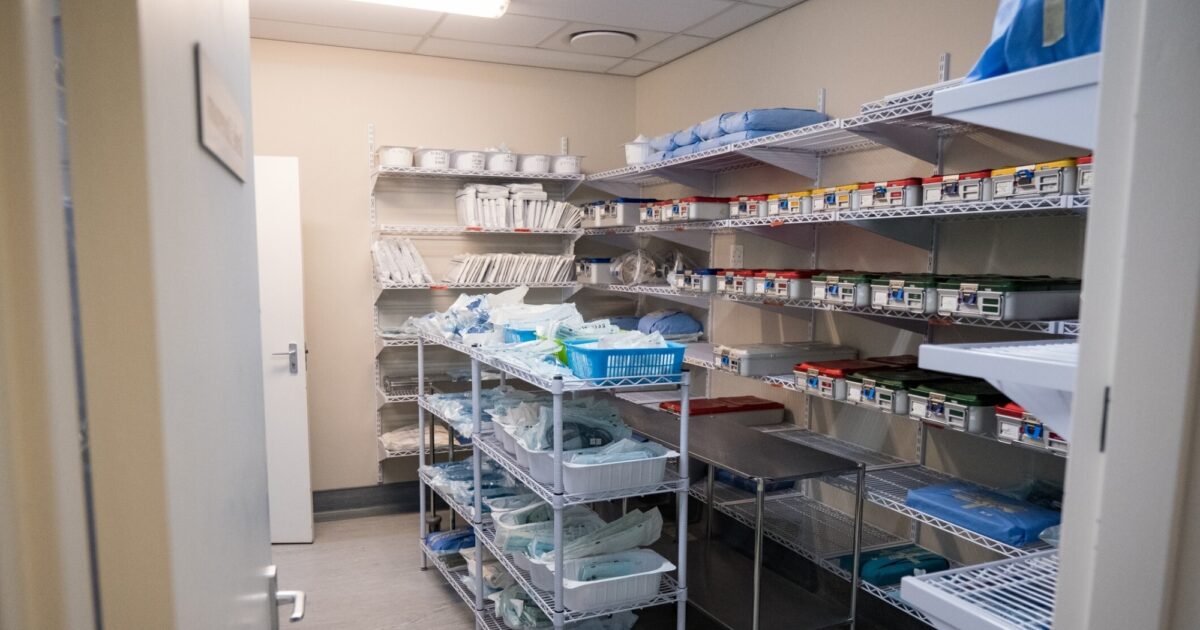
Hospitals operate in a complex environment where efficient management of materials directly impacts patient care, operational costs, and regulatory compliance. As healthcare systems worldwide strive for higher standards and better outcomes, optimizing supply chain processes has become more critical than ever. Implementing advanced materials management strategies not only streamlines hospital operations but also empowers organizations to deliver safer, more reliable, and cost-effective care. Understanding the nuances of how hospitals manage their supplies—from procurement to distribution—can provide valuable insights into improving overall healthcare delivery. For a broader perspective on how different nations approach healthcare efficiency, exploring which country has the best healthcare system offers useful context. Additionally, grasping the fundamental concepts of how healthcare systems are structured is essential for designing effective supply chain solutions.
Hospitals face unique challenges, including fluctuating patient volumes, supply chain disruptions, and stringent regulatory standards. Addressing these issues requires adopting best practices in inventory control, fostering cross-departmental collaboration, and leveraging innovative technologies. Outsourcing parts of the materials management process has gained popularity as a strategic approach, offering benefits such as cost containment, access to specialized expertise, and enhanced focus on core clinical activities. By partnering with experienced providers, hospitals can implement sophisticated inventory systems, improve supplier relationships, and maintain high standards of safety and compliance, including adherence to regulations like FDA guidelines or Joint Commission standards.
Interesting:
- How emr revolutionized hospital management and healthcare delivery
- Unlocking the power of hospital management systems for modern healthcare
- Transforming healthcare spending the role of total cost management and hospital budgeting
- Top online bachelors degrees in healthcare management for aspiring leaders
- Mastering healthcare revenue cycle management for financial success 2
Cost reduction remains a priority amid rising healthcare expenses. Hospitals are increasingly investing in improved data visibility and integrated supply chain solutions to minimize waste and prevent stockouts. These advancements enable more accurate demand forecasting, better procurement decisions, and streamlined logistics, ultimately resulting in improved patient outcomes and operational efficiency. Developing a comprehensive understanding of the entire materials management lifecycle—from initial demand forecasting to storage, distribution, and asset management—is vital for sustaining hospital performance.
Incorporating these strategies into hospital operations can significantly enhance service quality and reduce operational risks. Embracing technology-driven solutions and fostering collaborative relationships with suppliers are key steps toward a resilient and responsive healthcare supply chain. With continuous improvement and innovation, hospitals can better meet the evolving needs of their communities, ensuring that vital materials are always available when and where they are needed most.