


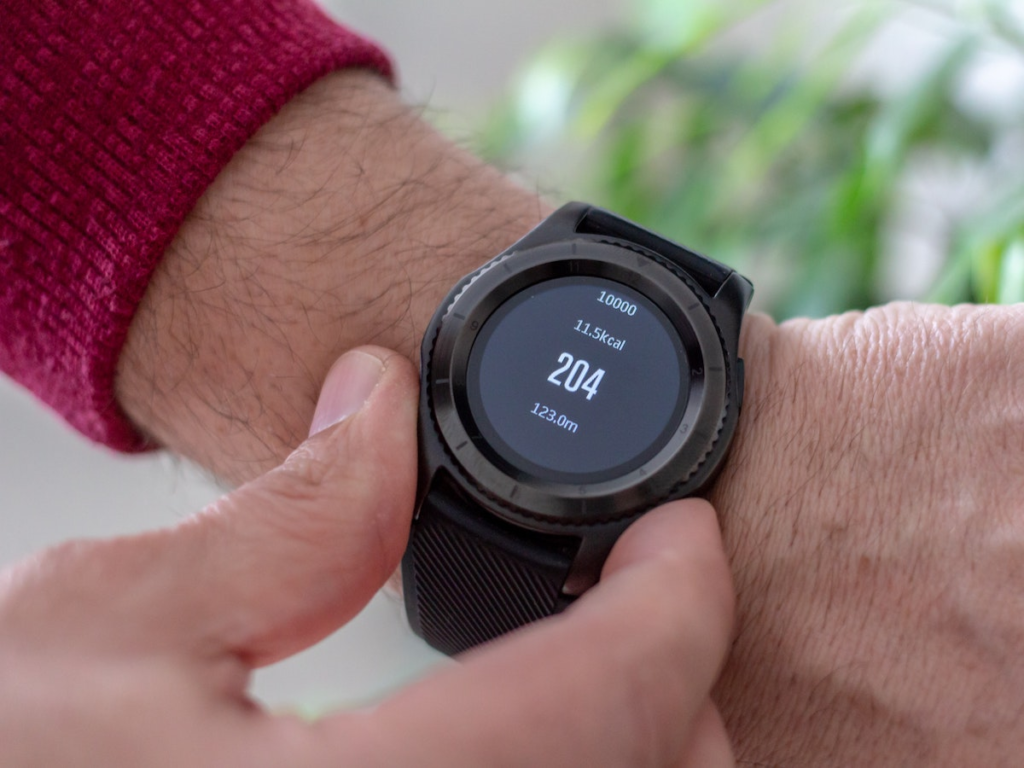
The rapid evolution of digital connectivity has ushered in a new era for health care delivery, driven by the proliferation of interconnected devices collectively known as the Internet of Things (IoT). This network of wireless, intelligent devices holds the promise of revolutionizing how health services are provided, making them more proactive, personalized, and accessible. As global health systems strive to adapt to emerging challenges—such as aging populations and pandemics—understanding the potential and limitations of IoT in medicine becomes essential. This article explores the current landscape of IoT-enabled health care, examining its architectures, applications, and the hurdles that must be addressed to realize its full potential.
The Current State of Digital Devices and IoT in Healthcare
The 2020s have seen an unprecedented surge in connected devices, with estimates indicating over 21 billion gadgets linked to the internet worldwide—five times more than just four years earlier. At its core, IoT refers to a network of uniquely identifiable objects capable of collecting, transmitting, and receiving data without direct human intervention. In health care, this encompasses wearable sensors, implantable devices, digital medications, and even smart surgical tools, all capable of monitoring physiological parameters and supporting clinical decision-making.
Interest in applying IoT to health practices has grown substantially, leading to diverse applications such as remote patient monitoring, chronic disease management, early detection of abnormalities, and enhanced adherence to treatment plans. These innovations aim to optimize resource utilization, reduce costs, and improve quality of care. For example, wearable health devices can continuously track vital signs, transmitting real-time data to clinicians for timely interventions. Additionally, integrating IoT with telemedicine platforms has become particularly vital during the COVID-19 pandemic, enabling health systems to maintain service delivery while adhering to social distancing measures.
The Architecture of IoT in Healthcare
IoT systems in health care are typically structured across three fundamental layers:
Perception Layer: Sensing and Data Collection
This foundational layer involves sensors and devices—such as RFID tags, medical sensors, GPS modules, and wearables—that perceive environmental and physiological signals. These sensors convert physical phenomena into digital data, enabling real-time monitoring of patient health and environmental conditions. While many IoT sensors have shown promise, ongoing validation is necessary to ensure safety and efficacy; see examples of devices supporting health services for more details.
Network Layer: Data Transmission and Storage
Once data are collected, they are transmitted via wired or wireless communication protocols, including Bluetooth, Zigbee, Wi-Fi, and cellular networks like 4G and emerging 5G. The high bandwidth and low latency of 5G networks are poised to significantly expand IoT applications in health care, supporting thousands of connected devices simultaneously. Data are then stored either locally or on cloud platforms, which offer scalable and accessible storage solutions. However, increasing reliance on cloud computing raises concerns about data security and latency; exploring edge computing and blockchain can mitigate some of these issues by decentralizing data processing.
Application Layer: Data Analysis and Service Delivery
This top layer interprets collected data to deliver actionable insights through artificial intelligence (AI), machine learning, and decision support systems. AI-powered tools can analyze medical images, recognize patterns, and aid in diagnosis, as exemplified by systems that improve diabetic retinopathy detection with high sensitivity and specificity. Such tools enable clinicians to see beyond human limitations, facilitating early intervention and personalized treatment plans. For instance, AI has been used to predict disease progression in chronic conditions like heart failure or diabetes, supporting more proactive care management.
Expanding the Scope of IoT for Smarter Health Care
IoT enables the development of ‘smart’ health services that move beyond reactive care toward continuous, real-time management. Virtual models utilizing sensors and cloud access allow care to extend into patients’ homes, fostering a seamless health ecosystem. During the COVID-19 crisis, many governments accelerated the removal of barriers to virtual care, demonstrating the importance of IoT in ensuring health system resilience see perspectives on virtual health.
Moreover, IoT facilitates a comprehensive approach to health system management—optimizing hospital workflows, medical asset tracking, staff monitoring, and resource allocation—all contributing to improved operational efficiency. These advances support a shift from traditional episodic care to a more integrated, patient-centered model that emphasizes prevention, early detection, and continuous monitoring.
Interesting:
- Transforming healthcare with the internet of medical things
- Transforming healthcare with artificial intelligence opportunities and challenges
- Navigating the challenges and opportunities of ai integration in healthcare
- Transforming healthcare through the internet of things 17 innovative devices technologies
- Exploring the advantages and challenges of iot integration in healthcare
Enhancing Health Service Delivery Through IoT
Broader Access to Primary Care
A central goal for the upcoming decade is making primary health services more accessible, especially for populations at risk of health disparities. IoT supports this by empowering individuals to self-manage chronic conditions through mobile apps and wearable devices, which provide continuous health feedback and lifestyle guidance. The rise of AI chatbots also offers instant medical advice, triaging patients and reducing unnecessary hospital visits—although ensuring these tools are evidence-based remains critical. Reliable digital health resources, including virtual reality tools, can further enhance health literacy and disease prevention efforts.
Shifting Toward Proactive and Coordinated Secondary and Tertiary Care
IoT-based health systems enable a transition from reactive to proactive care, ensuring continuous health monitoring and early intervention. This approach reduces hospital admissions, improves patient outcomes, and fosters personalized treatment pathways. For example, integrating data from wearable sensors can alert clinicians to deteriorating conditions before symptoms become severe, enabling timely adjustments to therapy. This proactive model also supports resource optimization, reducing costs while maintaining high-quality care; see scenarios of health system efficiencies for illustrative use cases.
Barriers and Enablers for IoT Adoption in Healthcare
Policy and Regulatory Support
Implementing IoT solutions in health care requires robust policies that address data privacy, security, interoperability, and reimbursement. Countries like the US, EU, Japan, and Australia are developing frameworks to facilitate safe IoT integration, emphasizing cybersecurity and standardization. As policy support grows, so does the potential for scalable, secure IoT deployment—see global IoT policies for an overview.
Technological Accessibility and User Acceptance
Despite widespread technology adoption, disparities remain—particularly for underserved populations lacking reliable internet or digital literacy. Ensuring devices are user-friendly and affordable is vital for equitable access. Additionally, cybersecurity guidelines are crucial to protect sensitive health data from cyber threats. Building trust among health care professionals and patients hinges on demonstrating safety, efficacy, and value, which requires transparent communication about data ownership, control, and benefit—topics explored in public perceptions of health data security.
Interoperability and Standardization Challenges
Without unified protocols and standards, IoT devices and health systems risk fragmentation into isolated ‘vertical silos,’ impairing data sharing and coordinated care. Developing and adopting common frameworks for communication and data formats are essential steps toward realizing the full potential of IoT-enabled health care. Existing initiatives aim to foster interoperability, but ongoing research and policy development are necessary to overcome these hurdles.
Reimbursement and Economic Incentives
Financial models must evolve to support IoT-based services. Reimbursement policies for remote monitoring and virtual care are emerging but remain inconsistent globally. Establishing clear guidelines and incentives will be key to encouraging adoption among providers and integrating IoT solutions into routine practice.
Future Directions and Conclusion
IoT heralds a transformative era for health care, promising enhanced predictive capabilities, personalized treatments, and more equitable access. However, realizing these benefits hinges on addressing technical, ethical, and policy challenges—particularly regarding data security, interoperability, and reimbursement. Future research should focus on designing standardized, secure devices, evaluating the comparative effectiveness of decentralized data storage like blockchain, and establishing clinical guidelines for digital health interventions.
By fostering strategic policies, technological innovation, and user engagement, health systems can harness IoT to deliver smarter, more efficient, and patient-centric care—ultimately leading to better population health outcomes and more sustainable health care models. Addressing existing gaps will be vital to unlocking the full potential of interconnected health care and ensuring its benefits reach all members of society.