


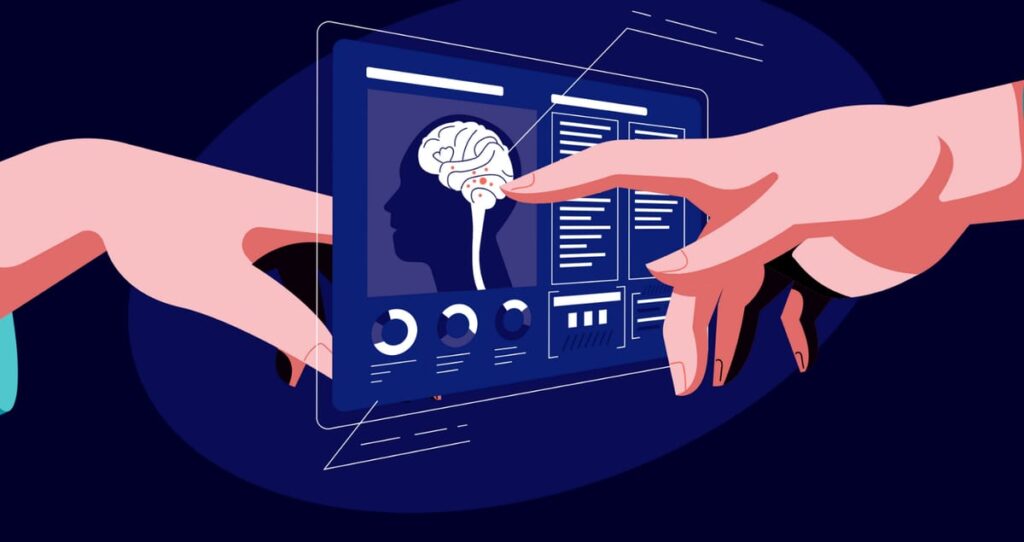
The integration of Internet of Things (IoT) technology into healthcare is revolutionizing how medical services are delivered, monitored, and managed. As healthcare providers seek more efficient, cost-effective, and patient-centered solutions, IoT devices and systems are becoming indispensable. From remote patient monitoring to advanced public health analytics, these innovations are shaping the future of medicine. Exploring real-world applications reveals how IoT is enhancing clinical outcomes, streamlining operations, and empowering patients. Learn how IoT-driven tools are transforming healthcare landscapes and improving lives globally.
IoT in Healthcare
The application of IoT in medicine enables healthcare professionals to extend patient care beyond traditional clinical settings. Connected devices facilitate remote monitoring of vital signs, enable virtual consultations, and allow for seamless data sharing between patients and providers. These technologies help improve the quality of care, especially for chronic disease management and elderly care, by providing real-time insights and reducing hospital readmissions. The scope of IoT in healthcare extends to various sectors, including pharmaceutical manufacturing, public health surveillance, sleep management, and medication adherence. As the market for IoT medical devices is projected to reach $94.2 billion by 2026, according to Markets and Markets research, the potential for innovation is immense.
IoT Medical Devices
ZOLL Medical Corporation
ZOLL offers a range of portable medical devices and wearables designed to support patients on the move. Their cardiac monitors continuously analyze heart rhythms and record arrhythmias, transmitting critical alerts to healthcare providers automatically during cardiac events. These devices enable prompt intervention and ongoing patient management, enhancing emergency response and routine monitoring alike.
Elemental Machines
Based in Cambridge, Massachusetts, Elemental Machines develops a cloud-based platform that optimizes laboratory operations for research and diagnostic facilities. Its LabOps Intelligence Platform collects data on temperature, humidity, and equipment status, providing valuable insights for quality control and research integrity. The platform’s integration capabilities enable comprehensive data analysis, improving operational efficiency and accuracy.
AliveCor
Specializing in portable cardiac monitoring, AliveCor produces devices like the KardiaMobile, a compact EKG tool that fits in a wallet. The FDA-cleared device records heart activity and generates reports for doctors, enabling early detection of arrhythmias and other cardiac conditions. Such accessible technology empowers patients to take an active role in their heart health and facilitates remote diagnosis.
In the broader context, the proliferation of IoT medical devices underscores the importance of innovative solutions, such as virtual reality in medicine perspectives and features, which are enhancing diagnostic and therapeutic capabilities.
IoT in Public Health
Aclima
In collaboration with Google, the Environmental Defense Fund, and academic institutions, Aclima employs mobile sensing platforms to monitor air quality in urban environments. Accurate air pollution data helps public health officials identify pollution hotspots and develop strategies to mitigate respiratory and cardiovascular diseases linked to poor air quality. This application exemplifies how environmental data collection can inform proactive health interventions.
Nexleaf Analytics
Nexleaf focuses on improving health infrastructure in underserved regions through remote monitoring systems. Its ColdTrace technology enables wireless temperature tracking of vaccine refrigerators, ensuring vaccines remain effective during storage and transport. Similarly, StoveTrace promotes cleaner cooking practices by monitoring stove usage, reducing carbon emissions, and improving household health. These innovations demonstrate the vital role of IoT in strengthening global health systems, especially in resource-limited settings.
Additionally, pharmaceutical companies like Pfizer utilize IoT to enhance vaccine distribution by employing cold chain sensors that guarantee proper storage conditions during shipment. For more insights, explore immersive therapy as a new frontier for mental health.
SystemOne
Operating in regions lacking robust healthcare infrastructure, SystemOne transmits diagnostic data from infectious disease testing kits like TB, Ebola, and HIV in real time. This connectivity allows for quicker diagnosis and treatment, significantly impacting disease control efforts worldwide, particularly in remote or underserved areas.
IoT for Smart Sleep
WHOOP
Based in Boston, WHOOP manufactures wearable devices that track biometric data continuously, including during sleep. Their technology provides insights into sleep stages, respiratory patterns, and recovery metrics, helping users optimize rest and performance. The device’s non-intrusive design ensures comfort while delivering detailed health feedback.
Interesting:
Eight Sleep
Located in New York City, Eight Sleep pairs a smart mattress with an app that monitors sleep patterns and environmental conditions. Its temperature regulation feature allows users to customize sleep temperatures for better rest quality. Integration with smart home devices like lights and locks creates a comprehensive sleep environment tailored to individual needs.
Happiest Baby
The SNOO bassinet from Los Angeles enhances infant sleep safety with features like womb-like rocking, white noise, and automatic adjustments based on crying detection. Controlled via a dedicated app, parents can view sleep logs, receive alerts, and adjust settings, supporting longer and safer sleep for infants.
IoT for Medication Refills
AdhereTech
In New York, AdhereTech provides smart pill bottles that remind patients of missed doses through text messages and notifications. These devices help improve medication adherence, which is critical for treatment efficacy, especially in chronic conditions. Reports indicate that adherence rates can increase by up to 15%, reducing hospitalizations and enhancing health outcomes.
Aeris Communications
A Chicago-based platform, Aeris enables continuous communication between medical devices and healthcare providers, ensuring patients follow prescribed medication schedules. This remote monitoring reduces unnecessary hospital visits and allows for timely interventions, contributing to better management of chronic diseases.
Otsuka America Pharmaceutical
Otsuka’s Abilify MyCite integrates an ingestible sensor with medication, transmitting ingestion data to a mobile app and sharing relevant information with healthcare providers. This technology supports adherence and provides insights into activity and mood, aiding in mental health treatment plans.
IoT in Monitoring
Miku
Miku produces a contactless baby monitor that tracks sleep, breathing, temperature, and environmental factors in the nursery. Using encryption for security, it offers parents real-time insights into their infant’s health, ensuring safety and early detection of potential issues.
Phillips
Philips’ Capsule platform connects various medical devices and electronic health records within hospitals, streamlining data access for clinicians. This integration enables quicker responses to critical patient events and enhances clinical decision-making.
Stanley Healthcare
Stanley’s AeroScout Link monitors temperature and humidity in healthcare environments, ensuring optimal storage conditions for medicines and equipment. Its deployment in facilities like Buffalo Surgery Center demonstrated energy savings and improved environmental controls.
Honeywell
Honeywell’s Genesis Touch system transmits vital signs data to remote care providers, supports telehealth with video capabilities, and integrates with various biometric devices. Such systems facilitate continuous patient monitoring outside of traditional settings, improving care delivery.
In conclusion, the expanding landscape of IoT in healthcare signifies a paradigm shift towards more connected, efficient, and patient-centric medical services. As technology advances, the integration of innovative solutions like virtual reality in medicine continues to open new frontiers for diagnosis, treatment, and training.