


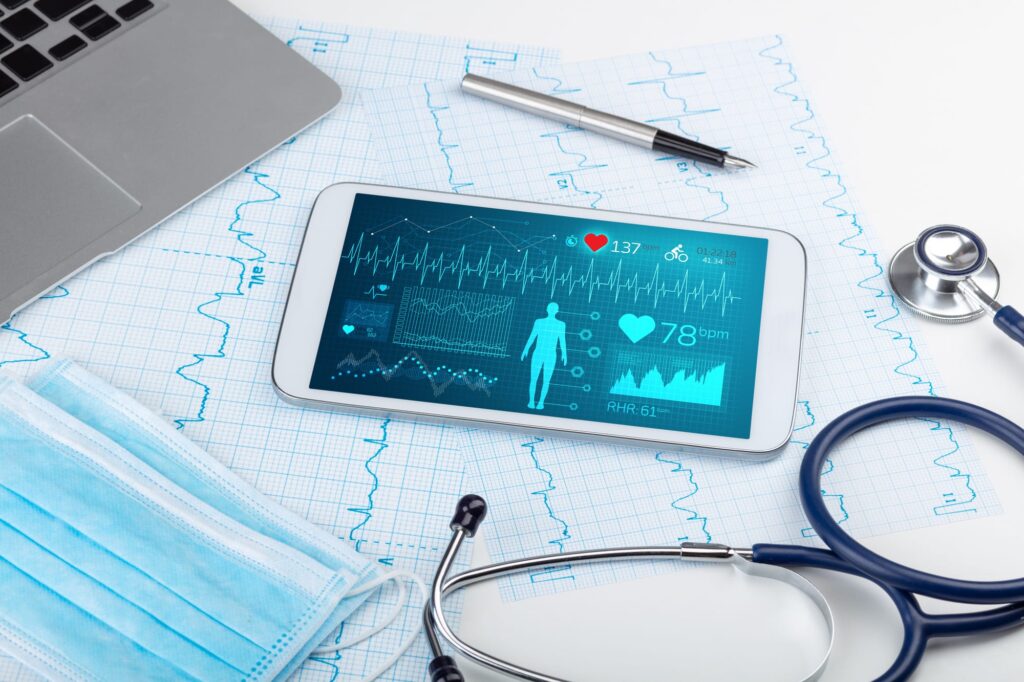
The integration of cutting-edge technology into healthcare systems is revolutionizing the way medical services are delivered, managed, and experienced. As digital solutions become more sophisticated, they are not only streamlining operations but also significantly improving patient outcomes and access to care. This ongoing transformation is shaping a future where healthcare is more personalized, efficient, and accessible than ever before.
Healthcare technology’s rapid development impacts every facet of the industry—from diagnosis and treatment to administrative processes and patient engagement. Professionals equipped with expertise in health informatics and data management are increasingly essential, as they help bridge the gap between medical practice and technological innovation. For individuals seeking new career paths, pursuing an MS in health informatics offers valuable skills that enable them to contribute meaningfully to this evolving landscape. Explore more about advancing your career with a healthcare administration degree.
The Role of Data and Digital Solutions in Modern Healthcare
Data has become the backbone of contemporary healthcare, providing critical insights that drive decision-making and improve patient care. Every interaction—from diagnostic tests to treatment plans—generates data that, when properly analyzed, can lead to more accurate diagnoses and personalized therapies. The widespread adoption of electronic health records (EHRs) has transformed clinical workflows, enabling instant access to comprehensive patient histories and fostering better coordination among healthcare providers.
The shift to digital systems has increased demand for data-savvy professionals capable of managing and analyzing vast amounts of medical information. Many aspiring health informatics specialists pursue advanced degrees to develop expertise in digital health systems, data analysis, and technology-driven solutions. These skills are vital for enhancing healthcare delivery, developing innovative tracking methods for disease patterns, and improving hospital workflows—making healthcare more efficient and patient-centered. For a deeper understanding of healthcare system design, consider reviewing evaluating the benefits and drawbacks of centralized healthcare systems.
Key Technologies Revolutionizing Healthcare
Technological breakthroughs are significantly altering how healthcare professionals diagnose, treat, and monitor patients. Some of the most impactful innovations include:
Telemedicine and Remote Care
Telemedicine has expanded healthcare access by enabling virtual consultations that eliminate geographic and logistical barriers. Patients in rural or underserved areas can now receive specialist advice without the need for long travel, reducing wait times and easing the burden on healthcare facilities. This technology enhances patient convenience and allows providers to extend their reach, especially during emergencies or pandemics. As digital health solutions evolve, their role in improving healthcare delivery continues to grow.
Artificial Intelligence (AI) and Machine Learning
AI-powered tools are transforming diagnostics and treatment planning. Machine learning algorithms analyze complex medical images, detect subtle patterns in patient data, and assist clinicians in predicting disease progression. These technologies are particularly valuable in radiology and pathology, where early detection can dramatically improve prognosis. AI-driven analytics also support personalized medicine by tailoring interventions based on individual genetic and health profiles. For more insights into the future of healthcare data, visit revolutionizing healthcare through data analytics transformative applications and future trends.
Wearable Health Devices
Wearables such as smartwatches, fitness trackers, and specialized medical devices empower patients to monitor their health metrics continuously. Devices can track vital signs like heart rate, sleep quality, activity levels, and blood glucose, providing real-time data that can alert users and their healthcare providers to potential issues early on. This constant monitoring supports proactive health management and facilitates timely medical interventions, ultimately reducing hospitalizations and improving quality of life.
Innovations in assistive technology, including hearing aids, smart glasses, and integrated visual aids, are making daily activities more manageable for individuals with sensory impairments. These devices enhance independence and comfort, allowing users to navigate their routines with greater confidence. Supporting both health and daily living, such tools are vital components of patient-centered care.
Robotic Surgery and Automation
Robotics has introduced new levels of precision into surgical procedures, reducing complications and accelerating recovery times. Robotic-assisted surgeries enable surgeons to perform intricate operations with enhanced dexterity and control, minimizing invasiveness. Automation extends beyond surgery into administrative functions, such as scheduling and record-keeping, freeing healthcare staff to focus more on patient care and less on paperwork.
Interesting:
- Transforming healthcare through the internet of things 17 innovative devices technologies
- Embracing digital innovation transforming healthcare through technology acceptance and applications
- Transforming healthcare through automation key benefits and use cases
- Transforming healthcare delivery through intentional service design
Blockchain in Medical Records
Blockchain technology offers promising solutions for securing and sharing medical information. By decentralizing data storage, blockchain ensures that patient records are tamper-proof and accessible only to authorized personnel. This enhances security, reduces the risk of data breaches, and facilitates seamless information exchange across different healthcare providers. Such advancements are critical for maintaining trust and integrity within digital health ecosystems.
How Technology Is Improving Patient Outcomes
The ultimate goal of healthcare innovation is to enhance patient results by making treatments safer, more personalized, and more effective. Digital diagnostics, such as AI-enhanced imaging, enable earlier detection of diseases, often leading to better prognoses. Analyzing large datasets allows clinicians to design customized treatment strategies that consider genetic, lifestyle, and environmental factors.
Automation reduces medication errors through digital prescription systems and ensures that healthcare professionals have the most current patient information at their fingertips. Telehealth platforms facilitate ongoing communication between patients and providers, enabling remote monitoring, follow-up care, and health education. These tools promote patient engagement, adherence to treatment plans, and overall satisfaction.
Challenges and Ethical Considerations
Despite the numerous advantages, integrating advanced technology into healthcare presents several challenges. Data privacy remains a primary concern. As hospitals and clinics collect vast amounts of sensitive information, safeguarding this data from cyber threats is vital. Robust cybersecurity measures are essential to prevent breaches that could compromise patient trust and safety.
Balancing automation with human interaction is another critical issue. While digital tools improve efficiency, maintaining the personal touch is crucial for effective care. Healthcare providers must ensure that technology complements, rather than replaces, compassionate, patient-centered relationships.
Accessibility disparities also pose significant obstacles. Not all populations have reliable internet or access to the latest healthcare technologies. Policymakers and healthcare organizations must work toward equitable distribution of digital resources to prevent widening health disparities.
Finally, continuous education is necessary for healthcare professionals to keep pace with technological advancements. Ongoing training programs help ensure that staff can effectively utilize new tools, uphold ethical standards, and deliver optimal patient care.
As technology continues to evolve, its role in shaping healthcare becomes increasingly vital. Embracing these innovations can lead to better health outcomes globally, provided that challenges like data security and equitable access are addressed thoughtfully.
This article was written for WHN by Sheerin Jafri, a dedicated and innovative writer passionate about health and relationships. Her goal is to empower individuals with knowledge to make informed decisions about their wellness.
Please note that this content is for informational purposes only and should not replace professional medical advice. Consult your healthcare provider before making any changes to your health routines.