


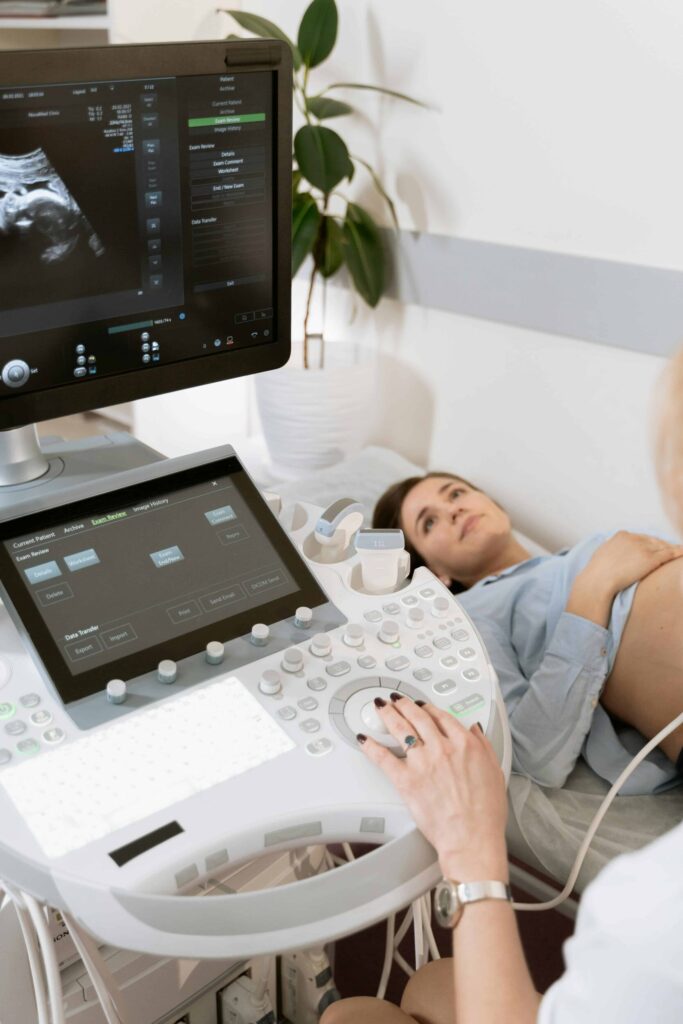
The healthcare industry is undergoing a profound transformation driven by the integration of Artificial Intelligence (AI). This technological revolution is reshaping how medical professionals diagnose, treat, and monitor patients, ultimately leading to more efficient, personalized, and effective healthcare services. As AI continues to evolve, its applications are becoming increasingly sophisticated, offering unprecedented opportunities to improve patient outcomes and streamline operations. Understanding these advancements is essential for healthcare providers aiming to stay at the forefront of innovation.
AI’s role in healthcare extends beyond automation; it enhances diagnostic precision, personalizes treatment plans, and improves ongoing patient monitoring. These innovations are not only improving the quality of care but also making healthcare systems more responsive and proactive. As the industry moves forward, it is vital to explore practical examples of AI’s impact, while also considering the importance of ethical data management and privacy.
For those interested in developing secure and efficient healthcare applications, paying attention to best practices is crucial. Discover more about key considerations in healthcare app development at 7 things you need to pay attention to when developing a healthcare application. Additionally, innovations like extended reality (XR) are bridging gaps in medical training and patient care, which you can explore further in how Servreality is bridging the gap with XR. To understand the broader impact of AI, see how it is making a difference in healthcare sectors at making a difference how AI is helping the healthcare sector. Finally, a historical perspective on AI’s early adoption in medicine provides valuable context; learn about it in a brief history when was AI first used in healthcare.
The Significance of AI in Modern Healthcare
Traditional healthcare approaches often depend on manual processes and healthcare professionals’ judgment, which, despite their importance, can be biased and limited by the sheer volume of data they need to process. AI offers a data-driven, scalable, and highly precise alternative that enhances human capabilities. By analyzing large datasets, AI algorithms can identify patterns, forecast outcomes, and generate actionable insights—transforming healthcare delivery into a more proactive and personalized experience. This technological shift is crucial for improving patient outcomes, reducing errors, and increasing operational efficiency across healthcare systems worldwide.
Practical Applications of AI in Healthcare
1. Enhancing Diagnostic Accuracy
AI-powered diagnostic tools are revolutionizing disease detection by providing faster and more accurate assessments. These systems analyze medical images, laboratory results, and patient histories with high precision, enabling earlier detection of conditions such as cancers, infections, and chronic illnesses. For example, AI algorithms can scrutinize radiological images like X-rays, CT scans, and MRIs to identify anomalies such as tumors or fractures. An AI tool might detect early signs of lung cancer in a chest X-ray, facilitating prompt treatment and improving patient prognosis. Such advancements not only save lives but also optimize resource allocation.
Interesting:
2. Personalizing Treatment Strategies
AI facilitates the creation of individualized treatment plans by analyzing a patient’s medical history, genetic data, and current health status. In oncology, for instance, AI can evaluate genetic profiles and tumor characteristics to recommend the most effective chemotherapy drugs and dosages. This personalized approach enhances treatment efficacy while minimizing adverse effects. Moreover, AI systems can predict how patients might respond to specific medications based on genetic and lifestyle factors, enabling healthcare providers to choose the most suitable therapies and avoid potential reactions. This shift towards precision medicine is transforming patient care.
3. Improving Monitoring and Preventive Care
Continuous patient monitoring is significantly enhanced by AI through data collection from wearable devices and remote health monitoring tools. These AI-driven systems can detect early signs of health issues such as arrhythmias or blood sugar fluctuations, alerting healthcare providers promptly. For example, wearable devices like smartwatches or specialized medical monitors track vital signs such as heart rate, blood pressure, and oxygen saturation. When anomalies are detected, immediate notifications can prevent severe complications. Diabetic patients benefit from AI analysis of continuous glucose monitors, which provides real-time insights and personalized recommendations for blood sugar management. These innovations foster proactive healthcare, reducing hospital visits and improving quality of life.
4. Streamlining Healthcare Operations
AI also plays a pivotal role in optimizing administrative and operational workflows within healthcare organizations. By automating tasks like appointment scheduling, billing, and documentation, AI reduces administrative burdens, minimizes errors, and accelerates processes. AI-driven chatbots, for example, can handle patient inquiries, appointment bookings, and reminders via natural language processing, freeing staff to focus on patient care. Additionally, AI assists in medical coding and billing by accurately interpreting clinical notes and assigning appropriate insurance codes, which expedites reimbursements and reduces billing errors. These efficiencies translate into cost savings and better patient experiences.
Future Outlook
As AI technology becomes more accessible and sophisticated, healthcare providers of all sizes should consider integrating these tools into their practices to enhance patient outcomes and operational efficiency. The future promises even more advanced diagnostics, deeper integration with wearable health devices, and real-time analytics for proactive care. However, safeguarding patient privacy remains paramount, especially given the sensitive nature of medical data. Addressing potential risks and challenges associated with AI implementation is critical, and ongoing research into AI safety and ethics is vital. Explore more about managing AI-related risks in healthcare here.
Additional Resources on AI-Driven Innovation
- How to lead in an increasingly autonomous world (Webinar)
- Identifying the right use case for autonomous transformation (Insight)
- Transforming to an AI-first operating model (Insight)
By embracing these technological advancements responsibly, healthcare systems can unlock new levels of efficiency, accuracy, and personalized patient care, shaping a healthier future for all.