






The Evolution of Artificial Intelligence in Medicine: Key Milestones
 December 29, 2025
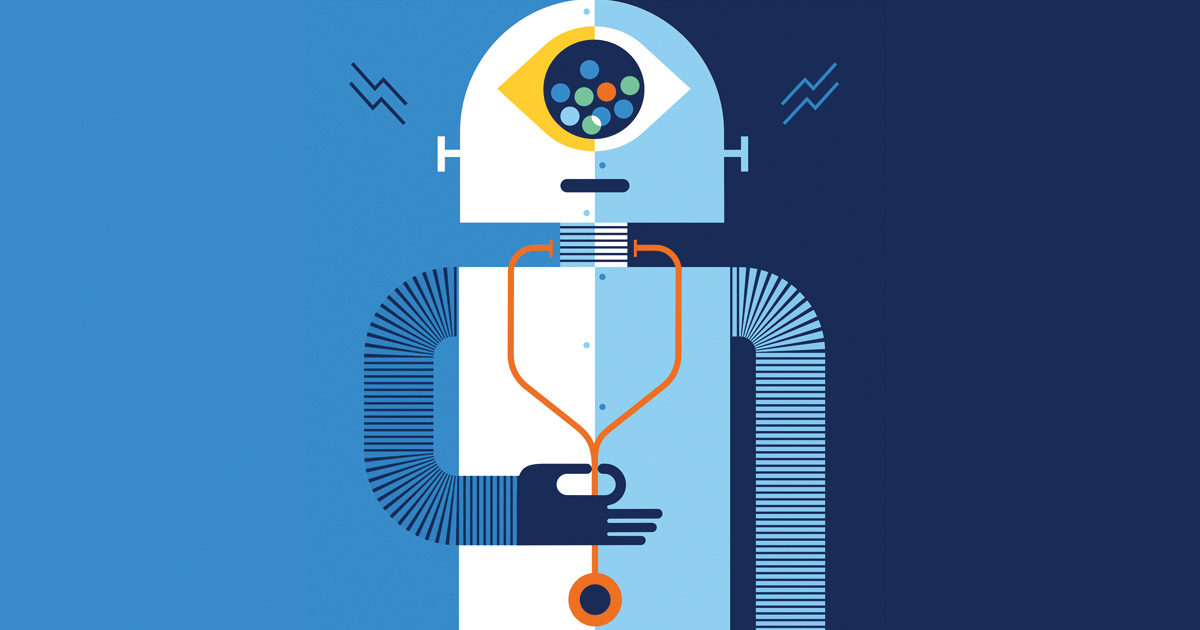
The integration of artificial intelligence (AI) into healthcare has transformed from a theoretical concept to a vital component of modern medicine. Over the decades, AI has evolved through groundbreaking innovations and technological advancements, fundamentally reshaping how medical professionals diagnose, treat, and understand diseases. This timeline highlights the pivotal moments that have marked AI’s rise within the medical field, illustrating its expanding role and promising future.
—
Early Foundations and Theoretical Beginnings
In the early 1950s, scientists laid the groundwork for AI with pioneering ideas that would eventually influence healthcare. One of the most notable early contributions was Alan Turing’s 1950 paper, Computers and Intelligence, where he introduced the concept of the “Turing test.” This test aimed to determine whether machines could exhibit behaviors indistinguishable from human intelligence, sparking curiosity about the potential for computers to simulate human reasoning and decision-making processes. Such foundational concepts set the stage for the development of intelligent systems capable of assisting in complex medical tasks.
The Dawn of Robotics and Diagnostic Algorithms
By the mid-1960s, AI began to take tangible form with the creation of autonomous robots and diagnostic tools. In 1966, Stanford Research Institute unveiled “Shakey,” the first robot capable of interpreting instructions and navigating its environment, demonstrating early steps toward intelligent automation in healthcare. Shortly thereafter, in 1971, scientists developed INTERNIST-1, a diagnostic expert system that utilized a sophisticated ranking algorithm to assist physicians in reaching accurate diagnoses. These innovations showcased AI’s potential to support clinical decision-making and laid the foundation for future diagnostic systems.
Institutional Recognition and Early AI Applications
The recognition of AI’s relevance to medicine grew in the mid-1970s. In 1975, the National Institutes of Health sponsored the first AI in Medicine workshop at Rutgers University, fostering collaboration and research in this emerging field. The following year, the “Backward Chaining” AI system MYCIN was developed to recommend antibiotic treatments for bacterial infections. MYCIN’s ability to evaluate symptoms and suggest appropriate therapies represented a significant leap forward in clinical decision support. Around the same time, Rutgers University introduced the causal-associational network model, integrating statistical pattern recognition with AI to enhance glaucoma consultations.
Expansion and Diagnostic Accuracy Improvements
The late 1980s saw a significant enhancement in AI diagnostic capabilities. In 1986, the University of Massachusetts released DXplain, a system capable of analyzing inputted symptoms to generate diagnoses across over 2,600 diseases, initially covering 500 conditions. This expansion demonstrated AI’s growing robustness in clinical reasoning. A few years later, in 1989, Cedars-Sinai cardiologists launched CorSage, a tool combining AI and statistical techniques to identify cardiac patients at high risk of future coronary events, exemplifying AI’s role in predictive medicine.
Advances in Pathology and Genomics
The 1990s marked significant progress in pathology and genetics. In 1991, the Pathology Expert Interpretative Reporting System achieved nearly 95% diagnostic accuracy in generating pathology reports, improving reliability and efficiency. The release of comprehensive genomic data in 2003, via the Human Genome Project, opened new avenues for personalized medicine and understanding genetic underpinnings of diseases.
The Rise of Data-Driven and AI-Powered Systems
The 21st century ushered in rapid growth in AI-powered medical technologies. IBM’s Watson, introduced in 2007, exemplified this shift by its ability to answer complex questions. By 2011, Watson’s success on Jeopardy showcased its advanced natural language processing, and in 2017, it was utilized to identify RNA-binding proteins involved in amyotrophic lateral sclerosis (ALS). Similarly, AI applications began assisting in medication education with tools like Pharmabot in 2015. That same year, Arterys obtained FDA approval for a system capable of analyzing cardiac MRI scans within seconds, revolutionizing cardiac imaging.
Deep Learning and Regulatory Approvals
2017 marked a milestone with deep learning algorithms demonstrating remarkable accuracy in diagnosing conditions like diabetic retinopathy and skin cancer. The FDA approved the first AI-enabled device for operating-room procedures, signifying regulatory confidence in AI’s clinical utility. In 2019, AI systems received approval for cancer diagnostics and brain MRI interpretation, further validating AI’s expanding role in complex diagnosis. Cedars-Sinai established its Division of Artificial Intelligence in Medicine, harnessing AI and population data to explore cardiac arrest risks and other critical conditions.
Interesting:
- The evolution and impact of artificial intelligence in healthcare
- The evolution of artificial intelligence in healthcare from inception to modern applications
- The evolving role of artificial intelligence in healthcare by 2026
- The transformative role of artificial intelligence in modern healthcare
- Transformative applications of artificial intelligence in healthcare and medicine
Recent Innovations and the Promise of Predictive Biology
The past few years have seen AI tackle some of biology’s greatest challenges. In 2020, Google DeepMind developed an AI capable of predicting a protein’s three-dimensional structure from its amino acid sequence, a breakthrough for drug discovery and molecular biology. In 2022, the FDA approved 91 AI-powered devices, including tools for detecting heart failure from echocardiograms, exemplifying the ongoing integration of AI into clinical practice. For more insights into how immersive technologies are transforming medical training and patient care, visit this resource.
AI’s journey in medicine continues to accelerate, driven by advancements in virtual reality in medicine perspectives and features. These innovations not only enhance diagnostic precision but also improve therapeutic outcomes, patient engagement, and medical education. As AI evolves, its potential to revolutionize healthcare becomes increasingly evident, promising a future where personalized, efficient, and accurate medical care is accessible to all.
—
Frequently Asked Questions
To explore common inquiries about AI in healthcare, please refer to our dedicated FAQ section.
More
Discover how emerging technologies are shaping the future of medicine and healthcare infrastructure. Learn about the latest in clinical research and innovative tools driving this transformation.
—
*Read more about the promise of integrating AI into medicine in our special report:
The Human Factor of Artificial Intelligence.*