


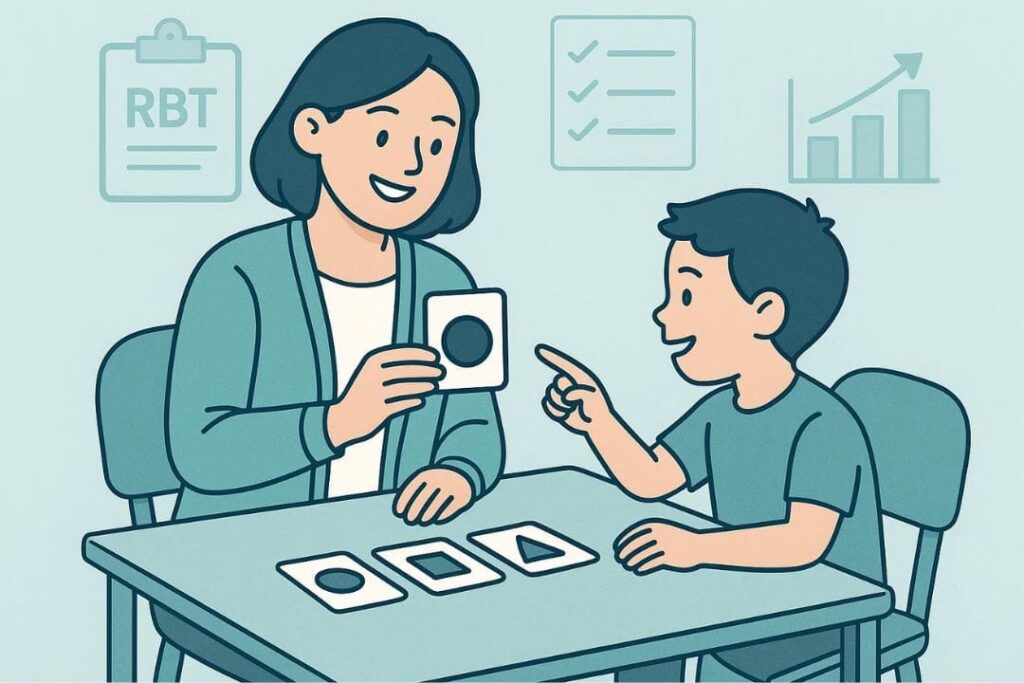
Understanding the responsibilities and significance of a Registered Behavior Technician (RBT) is crucial for anyone interested in the field of Applied Behavior Analysis (ABA). RBTs serve as the frontline professionals delivering direct services to clients, often children with autism or other developmental disabilities. Their work involves more than just following instructions; it requires a nuanced combination of data collection, skill teaching, behavioral intervention, and ethical practice. For those contemplating a career in this impactful area, recognizing the depth and importance of the RBT role can provide motivation and clarity. Additionally, exploring the wide-ranging career paths available in healthcare compliance and ethics can reveal how skills gained as an RBT may open doors to numerous professional opportunities.
In this guide, we will explore the core duties of an RBT, what a typical day entails, and why their role is vital to effective ABA therapy. Whether you’re considering entering the profession or seeking to understand its impact, gaining insight into the responsibilities of these dedicated practitioners is essential.
RBT Responsibilities at a Glance
According to the RBT Task List 2.0, the role of an RBT encompasses six primary domains:
- Measurement: Systematically collecting and recording data on client behaviors to monitor progress and inform treatment.
- Assessment: Assisting in behavioral and skill assessments under the supervision of a BCBA (Board Certified Behavior Analyst) or BCaBA (Board Certified Assistant Behavior Analyst), to determine client needs and progress.
- Skill Acquisition: Teaching clients new skills through evidence-based ABA strategies such as Discrete Trial Training (DTT), Natural Environment Teaching (NET), and prompting techniques.
- Behavior Reduction: Implementing behavior intervention plans (BIPs) designed by supervisors to reduce problematic behaviors that hinder learning or daily functioning.
- Documentation & Reporting: Maintaining accurate, detailed records of sessions, progress, and incidents to ensure transparency and measure effectiveness.
- Professional Conduct: Upholding ethical standards by following the BACB’s guidelines, respecting client dignity, and maintaining confidentiality.
Each of these areas requires a high level of skill, attention to detail, and commitment to ethical practice. The work of an RBT is fundamental in translating treatment plans into real-world improvements for clients.
Daily Tasks of an RBT
1. Collecting Behavior Data
One of the core tasks involves precise measurement. During each session, RBTs systematically gather data on client behaviors, which could include counting the frequency of specific actions, measuring how long behaviors last, or recording behaviors within designated time intervals. Accurate data collection is essential because it provides the evidence needed for BCBAs to evaluate whether interventions are successful or need adjustments. Reliable measurement forms the backbone of effective treatment and progress monitoring.
2. Teaching New Skills
Skill development is a central focus of the RBT’s role. Using structured techniques like Discrete Trial Training (DTT), Natural Environment Teaching (NET), and prompting methods, RBTs help clients acquire vital skills. These skills may include communication—such as using words, signs, or communication devices—social interactions like greeting peers or taking turns, daily living activities like dressing or brushing teeth, and foundational academic skills such as recognizing colors or numbers. Each teaching moment is tailored to the individual’s needs, combining structured methods with natural opportunities for learning, fostering independence and confidence.
3. Implementing Behavior Intervention Plans
Reducing problematic behaviors that interfere with learning and daily life is another crucial responsibility. RBTs execute behavior intervention plans (BIPs) designed by supervisors, which may involve teaching alternative behaviors, reinforcing positive actions, or managing triggers that lead to undesirable behaviors. While RBTs do not create these plans themselves, their consistent and faithful implementation is vital for success. This requires careful observation, patience, and adherence to protocols to ensure safety and effectiveness.
4. Documenting and Reporting
After each session, meticulous documentation is required. This includes recording what occurred during the session, updating progress graphs, and noting any incidents or unusual behaviors. Maintaining clear and accurate records is not just administrative; it is an ethical obligation that supports transparency, accountability, and ongoing evaluation of the client’s growth. Proper documentation helps ensure that the treatment remains aligned with the client’s evolving needs.
5. Collaborating with Supervisors
RBTs operate within a team framework that emphasizes supervision and ongoing professional development. They work closely with their supervising BCBA or BCaBA, who reviews data, provides feedback, and observes sessions to ensure quality and adherence to ethical standards. Effective collaboration guarantees that clients receive consistent, high-quality services and that the RBT remains aligned with best practices.
Interesting:
- The essential role of healthcare governance in ensuring quality and safety
- The essential role of healthcare regulations in ensuring quality and safety
- The essential role of compliance leaders in healthcare settings
- Understanding the meaning of rcm in medical billing and its role in healthcare finance
- The critical role of policies and procedures in ensuring healthcare excellence
6. Maintaining Professional Conduct
Adherence to ethical guidelines set by the Behavior Analyst Certification Board (BACB) is a fundamental aspect of the RBT role. This includes respecting client confidentiality, seeking guidance when faced with unfamiliar situations, and always acting within the scope of practice. Maintaining professionalism ensures the safety, dignity, and well-being of clients while upholding the integrity of the profession.
Also Read: How to get RBT certification
What a Typical Day Looks Like for an RBT
A typical day varies depending on the setting—whether at a clinic, school, or home—but generally follows a structured routine:
- Morning: Arriving at the designated location, reviewing the session plan, setting up materials, and preparing for skill development activities such as practicing communication or social skills.
- Midday: Collecting data on targeted skills and behaviors, engaging the client in natural learning opportunities, and taking brief breaks to reset and stay focused.
- Afternoon: Implementing behavior reduction strategies, working on social and daily living skills, and completing session documentation. Sometimes, brief meetings with supervisors occur to discuss progress and adjust plans as needed.
Despite variations, the core activities revolve around data collection, skill teaching, behavior management, and thorough record-keeping, all aimed at fostering meaningful progress.
Why RBTs Are So Important
RBTs are often the professionals who spend the most direct time with clients. Their hands-on work makes the difference between a well-designed plan and real-world results. Without their consistent efforts, supervisors and BCBAs would lack the day-to-day data and intervention implementation necessary to make informed decisions and adapt treatment.
This role demands patience, consistency, and compassion. Yet, it offers immense personal and professional fulfillment. Witnessing small victories—like a child communicating for the first time or engaging in social interactions—can be profoundly rewarding. For those interested in pursuing a meaningful career, the RBT position provides a unique opportunity to make a tangible impact on individuals’ lives.
Final Thoughts
In essence, the responsibilities of an RBT encompass teaching, supporting, measuring, and documenting progress. They follow treatment plans created by supervisors and are the vital force behind the practical application of ABA therapy. If you’re contemplating this career, recognize that while it can be demanding, the personal rewards are substantial. Gaining experience as an RBT can also serve as a stepping stone into various career paths in healthcare compliance and ethics, further broadening your professional horizons. For example, exploring diverse career opportunities in healthcare compliance and ethics can reveal additional avenues for growth.
Ultimately, RBTs are essential to the success of ABA programs, and their dedication helps individuals build independence and improve their quality of life. If you are passionate about making a difference, this role offers a fulfilling and impactful career in the healthcare field. Additionally, learning to navigate ethical challenges in modern nursing practice can help you develop the ethical foundation necessary for this profession and beyond.