

Implementing effective Standard Operating Procedures (SOPs) is fundamental to ensuring high-quality, safe, and efficient healthcare delivery. As organizations navigate complex regulatory environments and evolving clinical practices, SOPs serve as essential tools that promote consistency, accountability, and continuous improvement. They not only safeguard patient safety but also streamline administrative and clinical processes, ultimately enhancing overall healthcare performance.
In this comprehensive overview, we explore the significance of SOPs in healthcare, their core components, challenges faced in maintaining them, and strategies for effective implementation. Understanding these aspects is vital for healthcare providers aiming to optimize operational standards and deliver exceptional patient care.
Overview
Healthcare organizations rely heavily on Standard Operating Procedures to establish uniformity in routine tasks, from patient care protocols to administrative workflows. These documented guidelines are instrumental in reducing errors, ensuring compliance with legal and safety standards, and fostering a culture of safety and professionalism. Properly developed and regularly updated SOPs help mitigate risks, improve compliance, and enhance operational efficiency—contributing to better patient outcomes and organizational effectiveness.
Having well-structured SOPs is especially important during peak operational periods, where they facilitate smoother patient flow and reduce wait times. They also serve as a foundation for training new staff, capturing best practices, and maintaining continuity amid personnel changes. In addition, SOPs play a critical role in meeting regulatory requirements such as HIPAA and OSHA, safeguarding healthcare providers from legal liabilities.
Furthermore, modern tools like SowFlow have revolutionized SOP management by simplifying documentation processes. These technologies enable healthcare teams to create, update, and distribute SOPs efficiently, freeing up valuable time and reducing administrative burdens. For more insights on how healthcare systems adapt to challenges, see key insights into Peru’s healthcare system and its development.
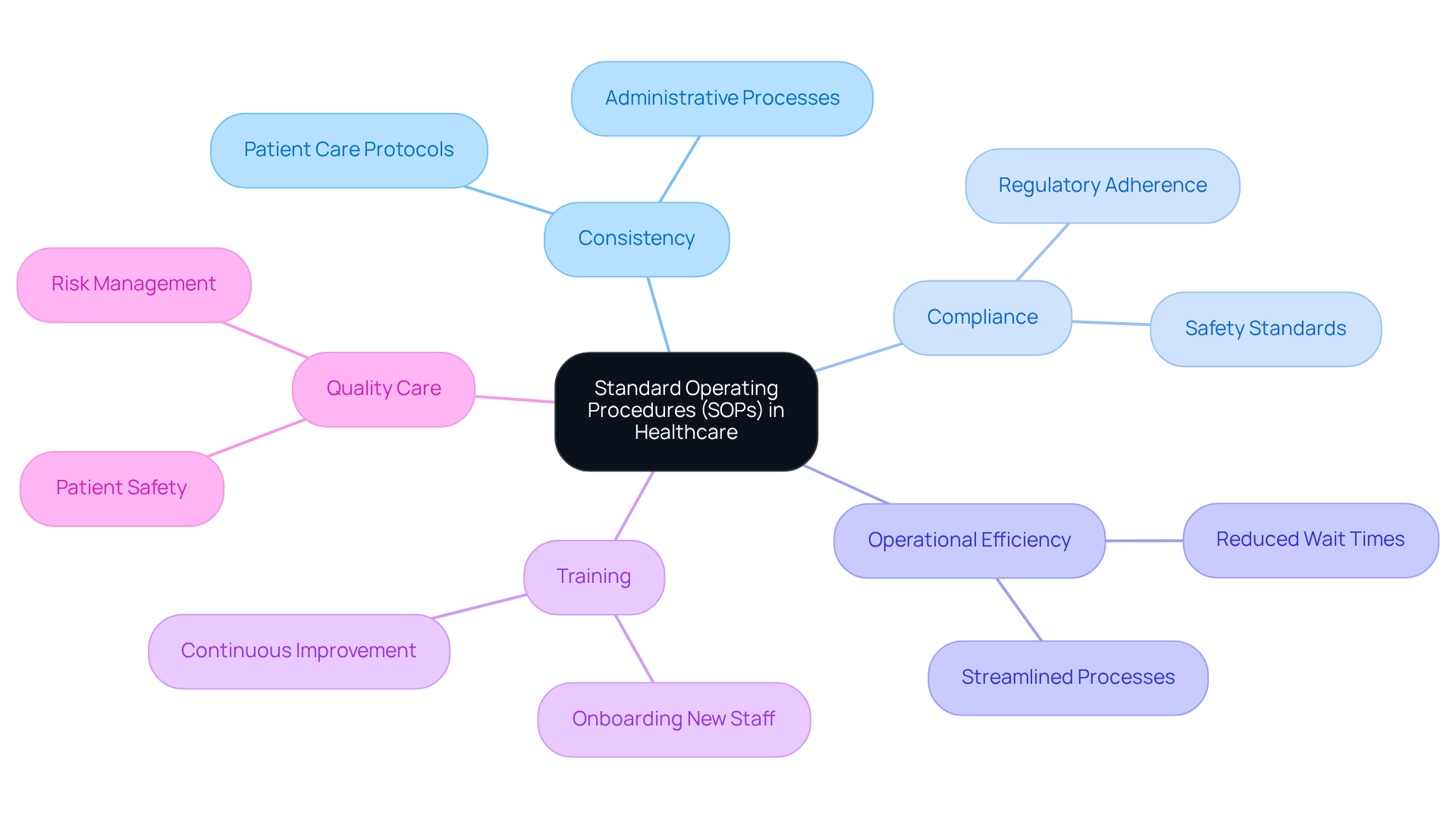
Define SOPs in Healthcare: Key Concepts and Functions
At its core, a Standard Operating Procedure in healthcare is a detailed, written set of instructions that guides practitioners through specific tasks or processes. These protocols serve as a reliable roadmap, ensuring that every team member performs procedures consistently, safely, and in accordance with regulatory standards. SOPs encompass a broad spectrum of activities, including clinical care, infection control, medication administration, and administrative functions such as billing and documentation.
The primary purpose of SOPs is to minimize variability in practices, which directly correlates with improved safety and quality. For example, hospitals that implement standardized procedures for patient intake during busy periods often observe significantly shorter wait times and better resource management. Moreover, SOPs help healthcare organizations adhere to legal and regulatory requirements, such as HIPAA’s privacy rules or OSHA’s safety standards, ensuring compliance and protecting against liabilities.
Experts emphasize that SOPs also serve as repositories of organizational knowledge, capturing best practices that can be retained despite staff turnover. This consistency in practice supports effective training and onboarding, enabling new employees to adapt quickly. Tailored SOPs that reflect specific organizational needs further enhance efficiency and relevance, fostering a culture of continuous quality improvement.
Incorporating structured SOPs into daily operations helps healthcare providers deliver safer, more reliable care. To ensure compliance and best practices, organizations often rely on consulting services like those from Ignite Healthcare Solutions, which highlight the importance of regular SOP review and refinement.

Highlight the Importance of SOPs in Healthcare Operations
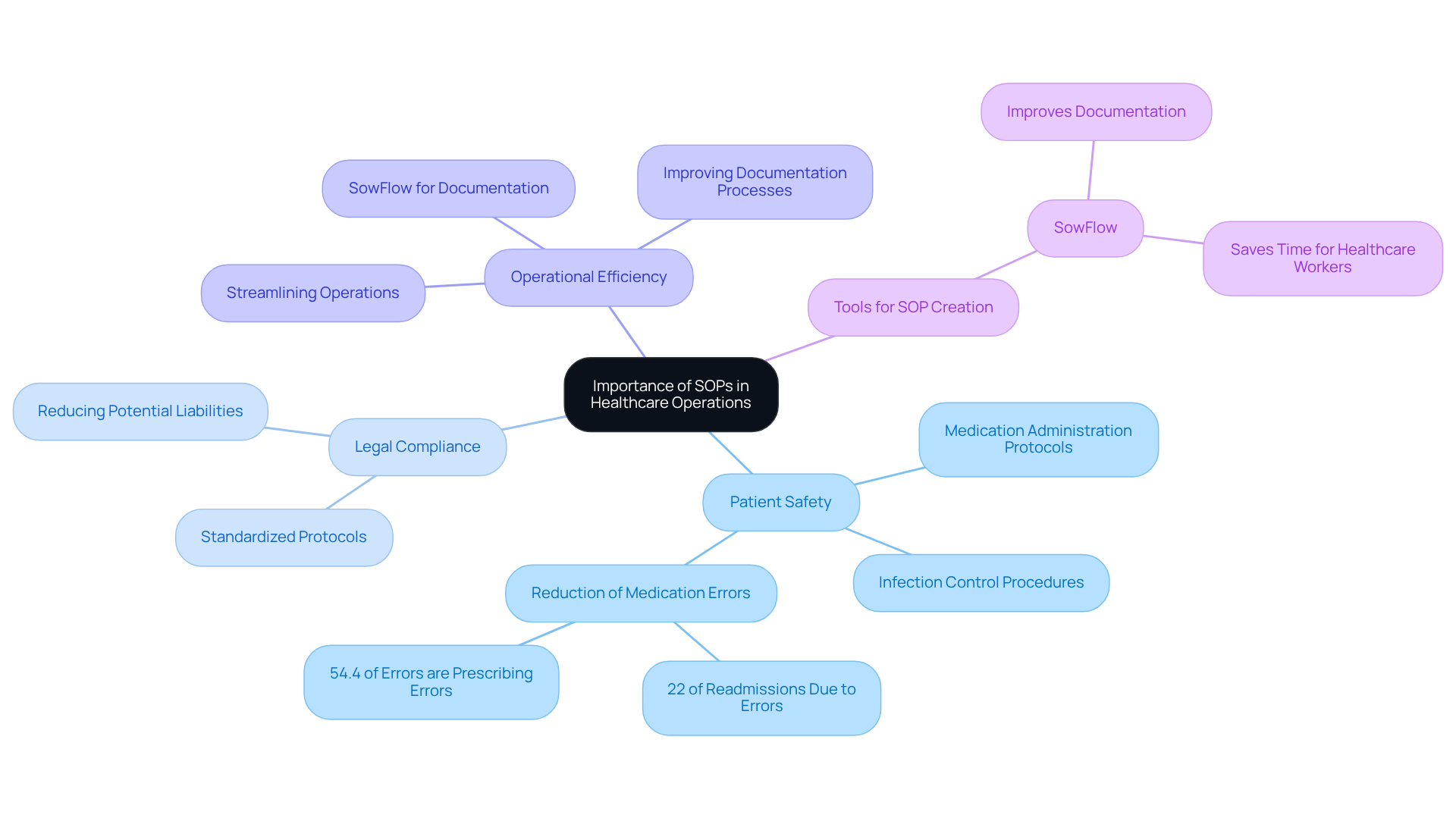
The significance of SOPs in healthcare cannot be overstated. They are vital for safeguarding patient safety by establishing standardized protocols for critical activities such as medication administration and infection prevention. Well-designed SOPs also help healthcare organizations stay compliant with legal standards, reducing potential liabilities and ensuring accountability.
Research indicates that organizations with comprehensive SOPs experience fewer medication errors—an issue responsible for approximately 22% of hospital readmissions—and fewer adverse events overall. By streamlining workflows and reducing variability, SOPs contribute to operational efficiency and higher quality of care. This not only enhances patient outcomes but also boosts staff confidence and organizational reputation.
Modern documentation tools like SowFlow exemplify how technology facilitates SOP management. Anastasia Masadi, a Product Owner, states, “SowFlow has been a game changer in how we document work and deliver to our clients. I do not need to capture each screenshot individually, nor do I have to exit the browser while preparing procedures.” Such innovations reduce administrative burdens, allowing healthcare providers to focus more on patient care.
For a broader perspective on healthcare system structures, explore evaluating the benefits and drawbacks of centralized healthcare systems, which influence how SOPs are developed and implemented across different regions.
Outline Essential Components of Effective Healthcare SOPs
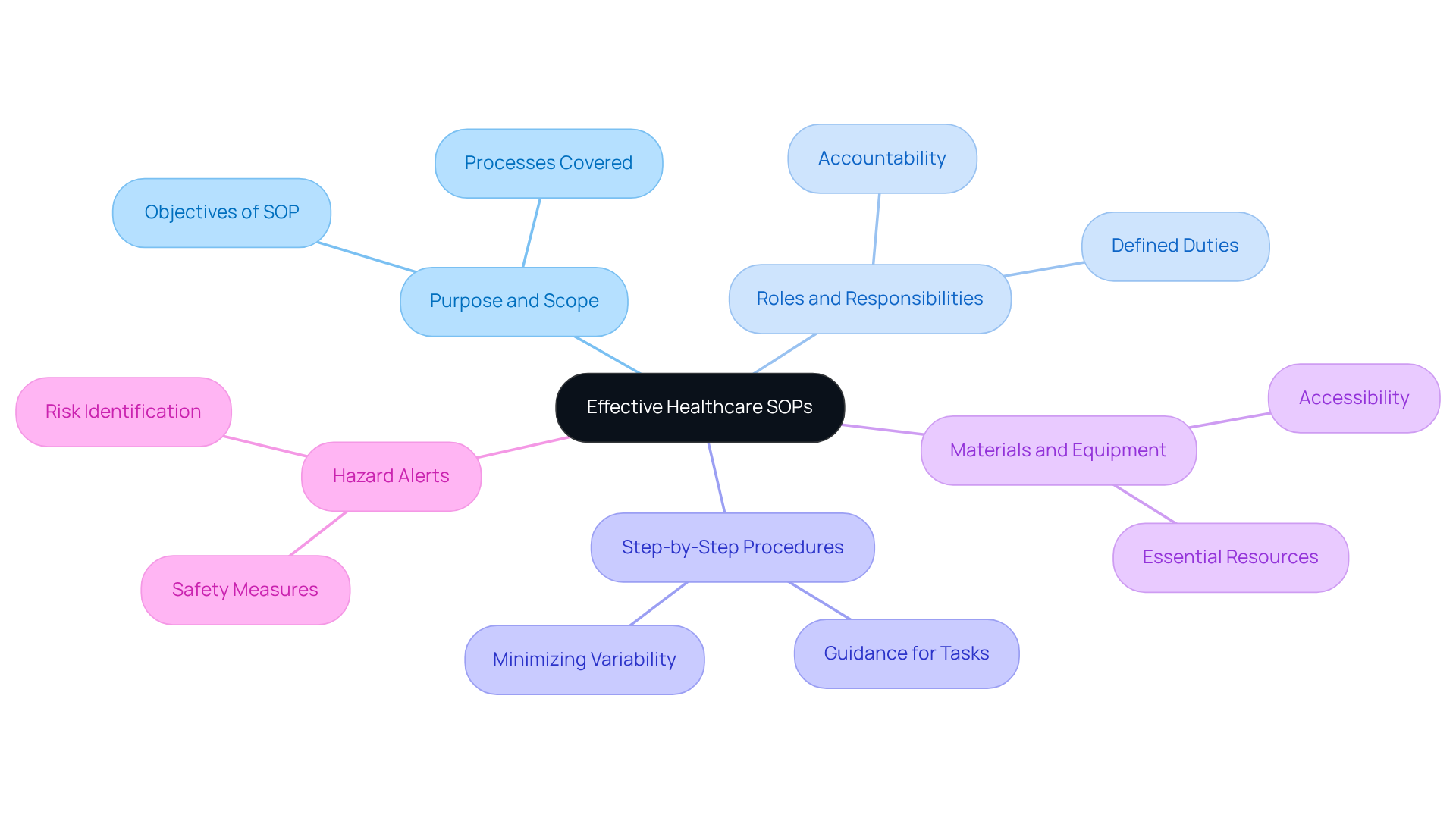
Creating impactful SOPs requires careful attention to several key elements that ensure clarity, consistency, and safety:
- Purpose and Scope: Clearly define the objectives and boundaries of the SOP. This provides users with a focused understanding of what the procedure covers and its intended outcomes.
- Roles and Responsibilities: Specify who is responsible for each task, promoting accountability and reducing ambiguity in execution.
- Step-by-Step Procedures: Detail each action in sequence, guiding staff through processes to minimize variability and errors.
- Materials and Equipment: List all necessary resources, ensuring they are readily available when needed.
- Hazard Alerts: Highlight potential risks associated with procedures, emphasizing safety precautions and mitigation strategies.
For instance, a SOP for medication administration might include verifying patient identity, checking dosage calculations, and documenting administration—each step designed to improve safety and compliance. Studies show that organizations with well-structured SOPs see a marked decrease in preventable errors, enhancing trust and safety in medical care.
Interesting:
- The critical role of policies and procedures in ensuring healthcare excellence
- The critical role of health information management professionals in modern healthcare
- The critical role of medical public relations in healthcare success by 2025
- The critical role of nursing in enhancing healthcare quality
Implementing these components effectively fosters a safety-first culture and improves overall operational performance. To enhance your SOP development process, consider consulting resources like unlocking top career opportunities with an MBA in healthcare administration, which can provide further insights into strategic management in healthcare.
Identify Challenges in Maintaining Healthcare SOPs
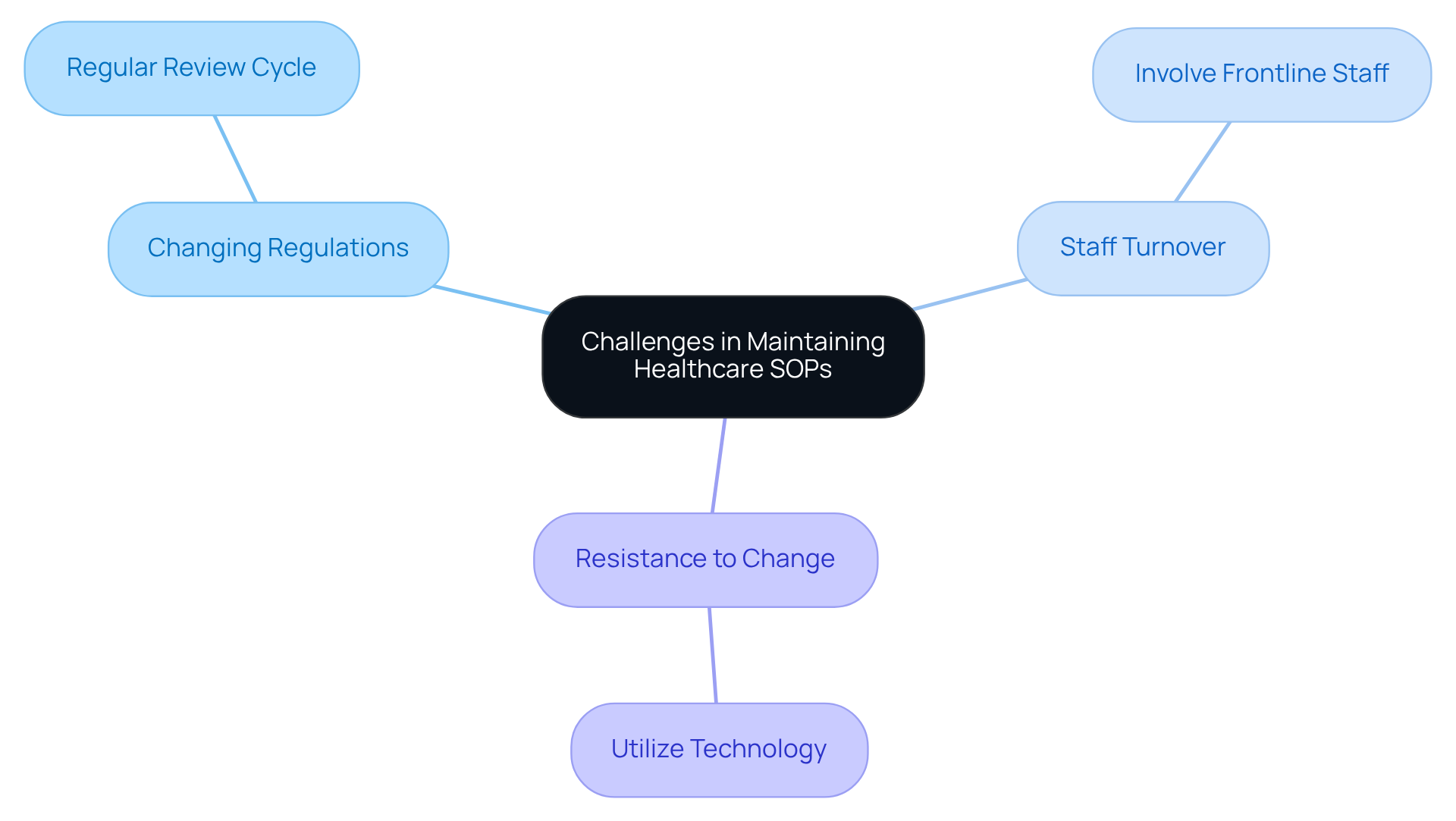
Maintaining up-to-date SOPs in healthcare settings presents several challenges. Rapid changes in clinical guidelines, technological advancements, and regulatory updates can quickly render procedures obsolete. Staff turnover further complicates consistency, as new team members may not be familiar with existing protocols. Resistance to change among staff can also hinder efforts to revise and implement new SOPs effectively.
Addressing these issues requires strategic actions such as:
- Regular Review Cycles: Schedule periodic evaluations of SOPs to incorporate the latest clinical practices and regulatory requirements.
- Staff Engagement: Involve frontline staff in the revision process to ensure procedures are practical and embraced.
- Leveraging Technology: Use centralized digital platforms to facilitate easy access, updates, and version control for SOP documentation.
Implementing these strategies ensures that SOPs remain relevant, accurate, and user-friendly—key factors in maintaining compliance and high standards of care. For further insights on organizational practices, review evaluating the benefits and drawbacks of centralized healthcare systems.
Conclusion
SOPs are the backbone of effective healthcare operations, ensuring that clinical and administrative tasks are performed consistently, safely, and efficiently. They play a pivotal role in safeguarding patient safety, achieving regulatory compliance, and fostering continuous quality improvement. Regularly updating SOPs to reflect current clinical guidelines and regulatory standards is essential for maintaining high standards of care.
By involving frontline staff in SOP development and leveraging innovative documentation tools, healthcare organizations can overcome common challenges in maintaining these procedures. Investing in robust SOP frameworks demonstrates a commitment to safety, quality, and operational excellence—ultimately leading to better patient outcomes and organizational resilience. Emphasizing continuous improvement and adaptation ensures that SOPs remain relevant and impactful in an ever-changing healthcare landscape.
Frequently Asked Questions
What are SOPs in healthcare?
Standard Operating Procedures are comprehensive, documented instructions that guide healthcare professionals in performing tasks consistently, safely, and in compliance with standards.
Which activities do SOPs typically cover in healthcare?
They encompass a wide range of functions, including patient care protocols, infection control, medication administration, administrative workflows, and safety procedures.
How do SOPs enhance operational efficiency?
By standardizing processes, SOPs reduce variability, minimize errors, and streamline workflows, which shortens wait times and improves resource utilization.
In what ways do SOPs ensure regulatory compliance?
Detailed documentation and adherence to protocols help organizations meet legal requirements like HIPAA and OSHA, reducing legal risks.
Why is regular updating of SOPs critical?
To adapt to new clinical evidence, technological innovations, and regulatory changes, ensuring continued safety and quality in healthcare delivery.
Can SOPs be customized to specific healthcare settings?
Absolutely. Tailoring SOPs to the unique needs of individual organizations enhances their relevance and effectiveness.
What impact do SOPs have on cultivating a safety culture?
Standardized practices promote accountability and consistency, fostering an environment where safety and quality are prioritized.
How can healthcare providers effectively manage SOP updates?
Implement routine review schedules, involve frontline staff, and utilize digital platforms for seamless documentation and version control.