






The Critical Role of Patient Care Assistants in Modern Healthcare
 December 24, 2025
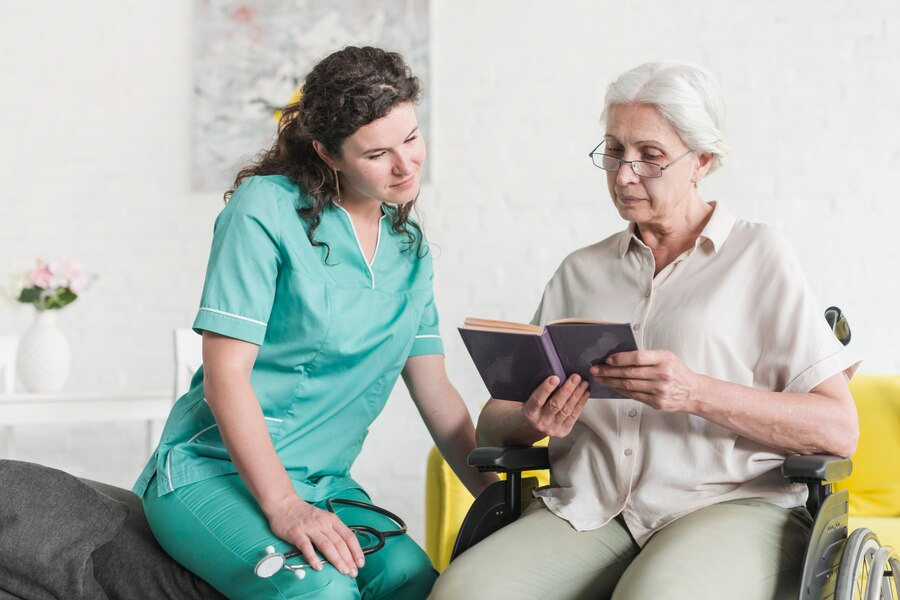
Healthcare is a dynamic and multifaceted field, constantly adapting to new challenges and innovations. Central to this evolution are the dedicated professionals who directly support patient well-being—among them, Patient Care Assistants (PCAs) stand out for their vital contributions. Their role extends beyond basic tasks, shaping the quality of care, patient satisfaction, and safety across various medical environments. Understanding their responsibilities, qualifications, and the profound impact they have is essential for appreciating how healthcare systems function efficiently and compassionately.
Clarifying the Role of a PCA in Healthcare
A Patient Care Assistant, commonly known as a PCA, is a frontline healthcare worker responsible for delivering fundamental care to patients. Working under the supervision of registered nurses (RNs) and other licensed medical personnel, PCAs are integral to hospitals, nursing homes, assisted living facilities, and community clinics. Their primary goal is to ensure patients receive consistent, compassionate support for their daily needs, fostering a healing environment that promotes recovery and comfort.
Assisting with Activities of Daily Living
One of the core functions of PCAs involves helping patients with essential daily activities that are vital for maintaining health and dignity. These tasks include:
- Bathing: Assisting patients with bathing routines to uphold hygiene standards and prevent infections;
- Dressing: Supporting patients in dressing, especially those with limited mobility or recovering from surgical procedures;
- Eating: Helping with meal consumption, including feeding individuals who are unable to feed themselves independently;
- Toileting: Providing privacy and assistance with toileting routines to maintain comfort and dignity.
By addressing these fundamental needs, PCAs significantly contribute to patients’ overall well-being and recovery process.
Monitoring Vital Signs
Regular assessment of vital signs is crucial for tracking health status and detecting early signs of deterioration. PCAs are trained to measure and record vital parameters such as blood pressure, pulse, temperature, and respiratory rate. These data points are essential for informing medical decisions and ensuring timely interventions, serving as early warning systems for potential health complications.
Supporting Patient Mobility
Facilitating movement is essential in preventing issues like pressure ulcers, muscle atrophy, and circulatory problems. PCAs assist patients with:
- Walking: Encouraging and helping patients ambulate to promote circulation and muscle strength;
- Transferring: Assisting patients in moving from beds to wheelchairs or chairs safely;
- Repositioning: Regularly changing patient positions to prevent bedsores and enhance comfort.
Supporting mobility not only aids physical health but also fosters independence whenever possible.
Providing Emotional and Social Support
Beyond physical care, PCAs offer companionship and emotional reassurance. Their presence can reduce feelings of loneliness and anxiety, which are common among hospitalized or elderly patients. Activities such as engaging in conversations, participating in recreational activities, or simply providing a listening ear are vital for mental health and emotional stability.
Ensuring Hygiene and Infection Control
Maintaining a clean environment is fundamental to preventing infections. PCAs are responsible for cleaning patient rooms, sanitizing surfaces, and ensuring that medical equipment is properly disinfected. These measures are critical for creating a safe environment conducive to healing.
Assisting with Medical Devices
PCAs also support the setup and operation of medical equipment, ensuring it is used correctly and safely. This includes tasks like setting up oxygen tanks for respiratory support or assisting with monitoring devices such as glucose meters or heart rate monitors, thus playing a key role in routine medical management.
Qualifications and Training for PCAs
Becoming a PCA typically requires a high school diploma or equivalent. Many healthcare facilities provide on-the-job training, but formal educational programs are also available to enhance skills and employability.
Certified Nursing Assistant (CNA) Pathway
Many PCAs start as Certified Nursing Assistants (CNAs), completing state-approved programs that combine classroom learning with clinical practice. These programs cover fundamental nursing skills, anatomy, infection control, and patient care techniques. Successful completion of a certification exam allows individuals to legally work as CNAs and gain valuable experience that can lead to PCA roles.
Basic Life Support (BLS) Certification
A common prerequisite is certification in Basic Life Support, which includes CPR training and emergency response skills. This certification prepares PCAs to handle critical situations effectively, such as cardiac arrests or choking incidents. Renewal every two years ensures that skills remain current with evolving medical guidelines.
Interesting:
- The critical role of patient engagement in modern healthcare
- The critical role of diagnostic services in modern healthcare
- The critical role of healthcare administration in modern medical systems
- The critical role of pharmacy hub services in modern healthcare
- Empowering patients the critical role of advocacy in modern healthcare
On-the-Job Training and Continuing Education
Healthcare employers often provide orientation programs, shadowing opportunities, and ongoing education to ensure PCAs develop necessary competencies. This continuous learning environment fosters professional growth and keeps staff updated on the latest practices and technologies.
Impact of PCAs on Patient Outcomes
The presence of PCAs in healthcare settings has been linked to improved patient safety, satisfaction, and overall outcomes. Their work directly influences the quality of care by ensuring routine tasks are performed efficiently and compassionately.
Improving Patient Experiences
PCAs enhance the patient journey through personalized attention and prompt assistance. Their one-on-one care fosters trust and comfort, which are vital for positive health outcomes. For example, timely help with mobility and hygiene can reduce fall risks and prevent infections, directly impacting recovery trajectories.
Supporting Healthcare Teams
By managing routine tasks, PCAs free up nurses and physicians to focus on complex medical procedures. This division of labor promotes efficiency within healthcare teams, leading to better coordination and communication. Moreover, working closely with other professionals offers PCAs opportunities for skill development and career advancement.
Evidence of Effectiveness
Research demonstrates that dedicated PCA involvement correlates with reductions in patient falls, pressure ulcers, and hospital-acquired infections. A study published in the Journal of Nursing Management highlights these positive impacts, emphasizing the critical role PCAs play in patient safety and care quality.
Daily Tasks and Routines of a PCA
A typical day involves a mix of scheduled and spontaneous activities aimed at maintaining patient comfort and safety.
Morning Routine
- Assisting with hygiene, including brushing teeth and washing;
- Measuring vital signs to monitor health status;
- Helping patients with breakfast, ensuring proper nutrition.
Midday Activities
- Supporting mobility through walking and transfers;
- Cleaning and organizing patient rooms;
- Assisting with lunch and hydration needs.
Afternoon Engagement
- Encouraging recreational activities to stimulate mental health;
- Updating patient records with observations and care provided;
- Conducting additional vital signs assessments.
Evening Procedures
- Helping with dinner and evening hygiene routines;
- Assisting patients in preparing for sleep;
- Performing safety checks to ensure patient comfort and security.
Final Thoughts
Understanding the multifaceted responsibilities of PCAs reveals their critical position within healthcare systems. They serve as the backbone of patient-centered care, providing essential support that enhances recovery, safety, and satisfaction. As healthcare demands grow, the role of compassionate, well-trained PCAs will only become more vital, underscoring the importance of continuous professional development and advocacy for their profession. For more insights into how healthcare providers can advocate for patient rights and safety, see embracing advocacy as a fundamental commitment for healthcare professionals.
Frequently Asked Questions
What exactly does a PCA do in healthcare?
A PCA offers basic but essential care, assisting with daily activities, monitoring vital signs, helping with mobility, providing emotional support, and maintaining hygiene under the supervision of medical staff.
What qualifications are necessary to become a PCA?
Typically, a high school diploma or equivalent is required, along with specialized training such as CNA certification and BLS certification. On-the-job training further develops practical skills.
In what ways do PCAs improve patient outcomes?
By providing attentive, personalized care and prompt assistance, PCAs help reduce complications, improve patient satisfaction, and support a safe recovery environment.
How do PCAs support the healthcare team?
They handle routine care tasks, enabling nurses and doctors to focus on more complex procedures, thus improving overall efficiency and team cohesion.
Why is ongoing education important for PCAs?
Continuous training ensures PCAs stay current with best practices, new technology, and evolving healthcare standards, ultimately leading to safer and more effective patient care.