



Making informed decisions is fundamental to advancing healthcare systems and ensuring optimal patient outcomes. Decision-makers in this sector face a complex landscape filled with technological innovations, regulatory challenges, and shifting patient needs. Their ability to navigate these factors effectively determines the quality, efficiency, and resilience of healthcare delivery. As healthcare expenditures continue to rise—projected to reach $6.2 trillion by 2028 in the US alone—the importance of sound decision-making becomes even more critical. Fostering a culture of innovation, collaboration, and strategic planning enables healthcare leaders to build systems that are not only responsive but also proactive in addressing future challenges.
Overview of Decision-Making in Healthcare Management
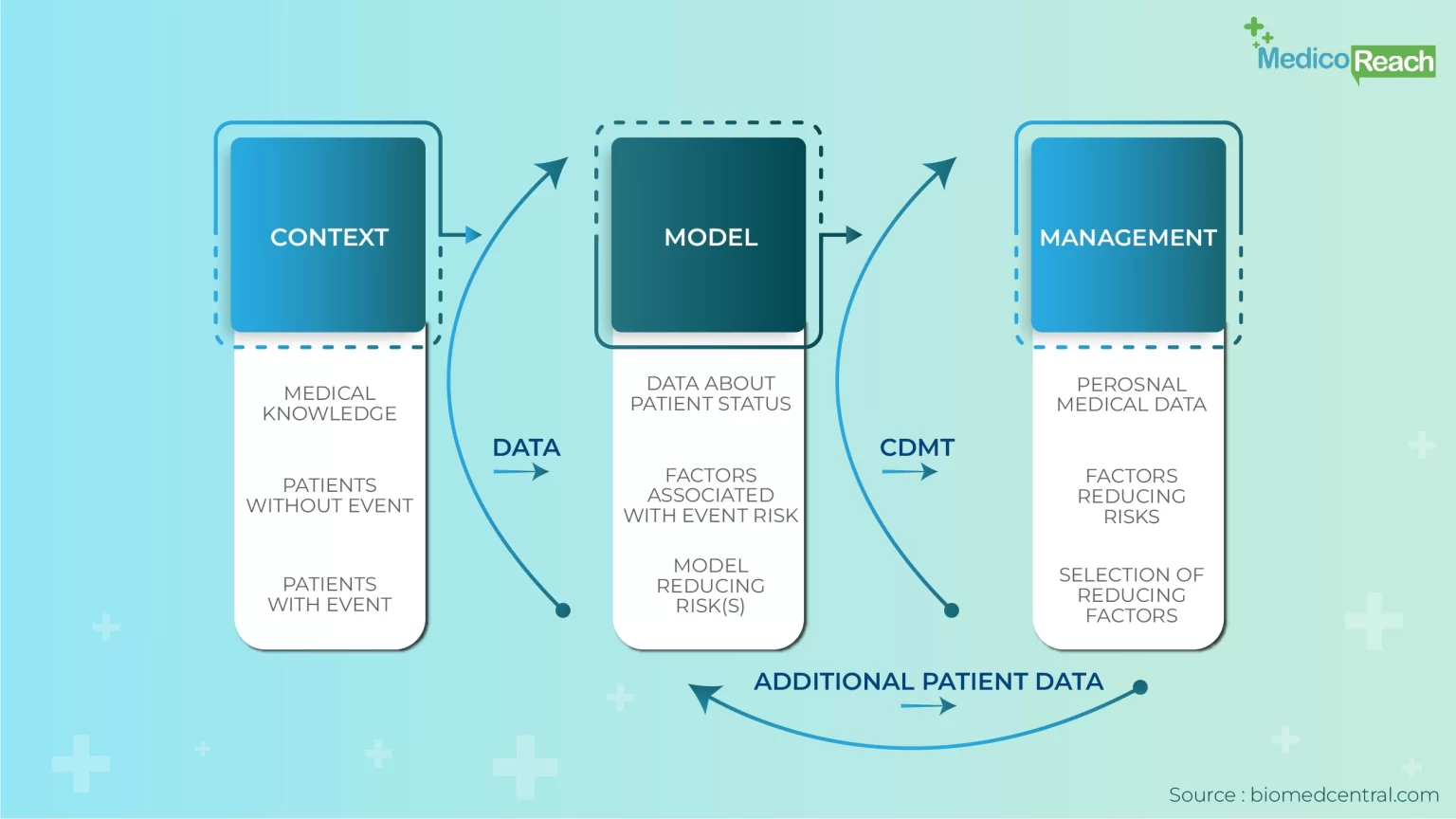
In the multifaceted realm of healthcare management, effective decision-making forms the backbone of system performance, impacting everything from patient care to organizational sustainability. Leaders in this field are tasked with balancing resource constraints, technological advancements, and regulatory compliance while maintaining a focus on quality outcomes. The choices they make influence the entire ecosystem, affecting user experiences, resource distribution, and organizational growth. A thorough understanding of decision-making processes, supported by relevant statistics, underscores their vital role in shaping a robust healthcare environment.

Impact on User Outcomes
Decisions in healthcare directly influence patient experiences and clinical results. Well-informed treatment protocols, rooted in data and evidence, lead to better health outcomes and enhanced satisfaction. For example, research shows that optimized decision pathways can reduce adverse events by up to 30%. This highlights the importance of using data-driven insights to guide clinical choices and improve overall care quality. Moreover, implementing mobile health solutions can further enhance patient engagement and access, emphasizing the need for strategic decisions around mobile healthcare deployment, as outlined in resources discussing the integration of mobile solutions in health systems (see here).
Resource Allocation and Efficiency
Efficient decision-making maximizes the utilization of finite resources such as personnel, equipment, and funding. Healthcare managers who leverage data analytics and strategic planning can significantly reduce waste and improve operational efficiency. Studies indicate that hospitals with optimized resource management can achieve cost savings of 15% or more, enabling reinvestment into patient care initiatives. Effective decisions in procurement, staffing, and infrastructure are crucial for maintaining quality standards without escalating costs.
Risk Management and User Safety
Risk mitigation is central to healthcare decision-making, encompassing strategies to prevent errors and safeguard patient safety. Organizations with robust decision frameworks report fewer medical errors and adverse events. Evidence-based protocols and continuous monitoring contribute to a 40% reduction in preventable incidents, emphasizing the role of structured decision processes in fostering safer environments. Regular risk assessments and adherence to safety standards are essential components of this process, ensuring that healthcare systems remain resilient against emerging threats.
Strategic Planning and Innovation
Forward-looking decisions drive strategic initiatives that foster innovation within healthcare organizations. By investing in new technologies and treatment modalities, healthcare leaders can improve patient outcomes and satisfaction. Hospitals that embed innovative decision-making frameworks report a 20% rise in patient satisfaction levels. Embracing digital transformation, for instance, requires careful planning and resource allocation, aligning with initiatives like implementing electronic health records (EHRs) and telemedicine platforms, which are transforming patient engagement (see here).
Policy Implementation and Compliance
Ensuring adherence to healthcare policies and regulations is a critical responsibility of decision-makers. Strong compliance frameworks help organizations maintain accreditation and meet quality benchmarks. Data shows that facilities with systematic policy enforcement experience a 25% improvement in quality metrics. Decisions related to policy updates, staff training, and system audits ensure that healthcare providers meet evolving legal standards and ethical obligations.
Interdisciplinary Collaboration
Effective decision-making encourages collaboration among diverse healthcare disciplines, resulting in more comprehensive patient care. Interdisciplinary approaches have been linked to reductions in hospital readmissions by approximately 15%, demonstrating how coordinated efforts improve care continuity. Facilitating communication and joint decision processes among clinicians, social workers, and administrators is vital for achieving holistic outcomes.
Adaptability to Changing Demands
Healthcare decision-makers must rapidly adapt to demographic shifts, emerging diseases, and technological advancements. During the COVID-19 pandemic, agile decision frameworks allowed systems to respond 30% faster in implementing containment and treatment protocols. Flexibility and real-time data analysis are essential for managing crises and ensuring continuity of care in unpredictable circumstances.
Types of Decision-Making in Healthcare Management
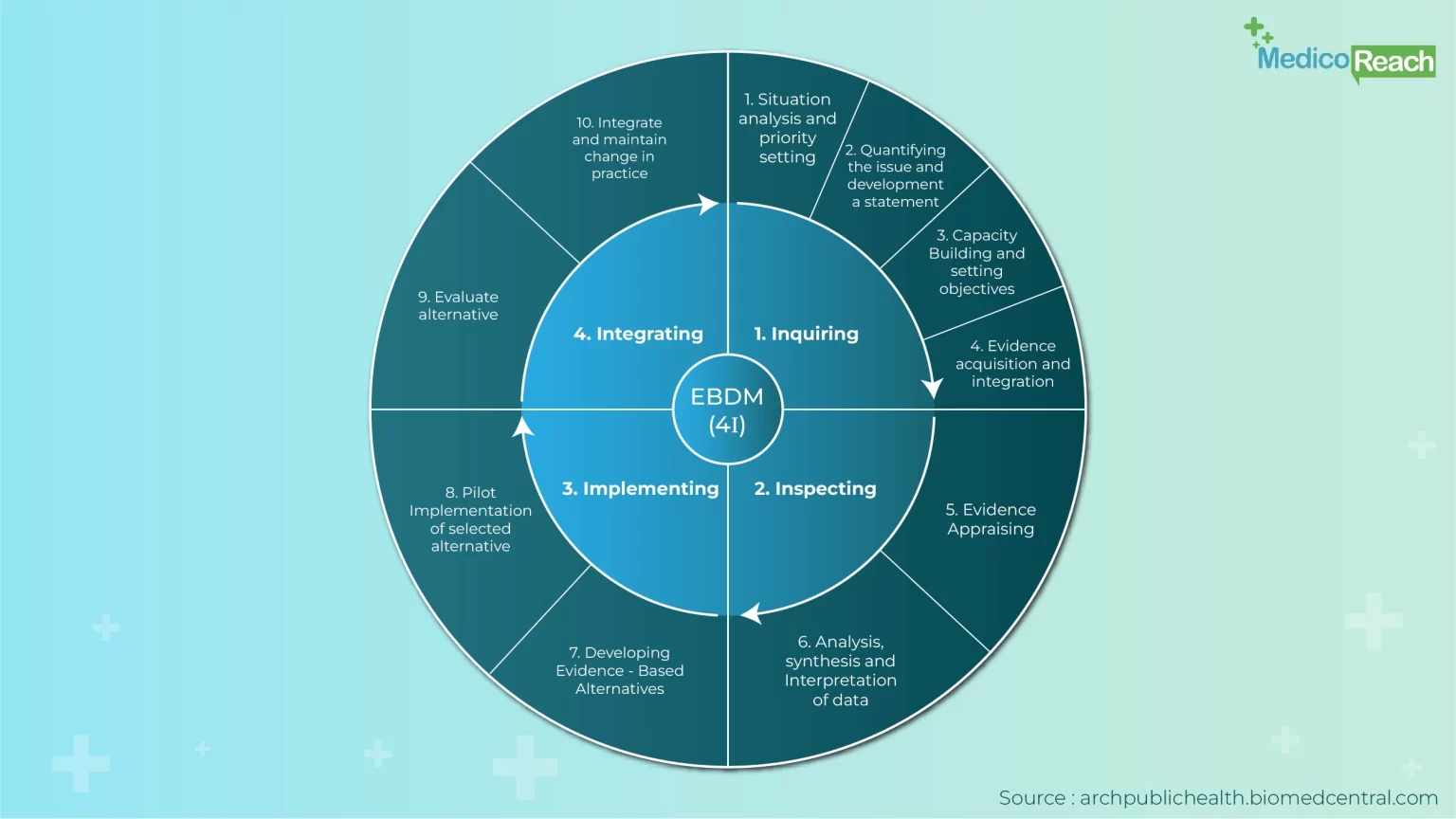
From a B2B perspective, healthcare decision-making encompasses various domains that shape organizational strategies and service delivery. Each type plays a pivotal role in fostering innovation, ensuring compliance, and optimizing operational workflows. Recognizing the importance of these decisions underscores their impact on the overall healthcare ecosystem.
Procurement and Vendor Selection
Choosing reliable vendors for medical supplies and technology is fundamental to maintaining service quality. Approximately 70% of healthcare leaders prioritize vendor trustworthiness and product quality in their procurement decisions. The B2B healthcare market is projected to reach $1.4 trillion by 2025, further emphasizing the strategic importance of vendor relationships (see here).
Technology Adoption
Deciding on innovative healthcare technologies, such as EHR systems, telehealth platforms, and AI tools, requires careful evaluation of benefits and risks. Healthcare technology spending is expected to grow by 45% over the coming years, making technology strategy a cornerstone of organizational growth and patient care enhancement.
Partnership and Collaboration
Forming alliances with research institutions, other healthcare providers, and technology firms accelerates innovation and improves user outcomes. Studies indicate that 84% of healthcare executives view strategic partnerships as essential for future success, fostering shared expertise and resources.
Financial Planning and Investment
Strategic investment decisions are vital for sustainable growth. In 2020, healthcare investments in startups and innovative projects reached $5.4 billion, illustrating the sector’s emphasis on forward-looking financial strategies that support expansion and technological advancement.
Interesting:
Regulatory Compliance and Policy Adherence
Decisions to meet evolving legal standards are necessary for maintaining accreditation and avoiding penalties. Adhering to regulations requires meticulous planning and ongoing review, ensuring that organizations operate ethically and legally in a highly regulated environment.
Supply Chain Optimization
Ensuring the timely availability of supplies through data-driven decisions reduces costs and prevents shortages. The healthcare supply chain industry is expected to grow at a CAGR of 9.8% between 2021 and 2028, reflecting the increasing importance of efficient logistics.
Service Expansion and Diversification
Broadening service offerings enables healthcare organizations to meet diverse patient needs and capture new markets. Strategic diversification can lead to increased revenue streams and market competitiveness, especially as patient preferences evolve.
Roles and Responsibilities in Healthcare Decision-Making
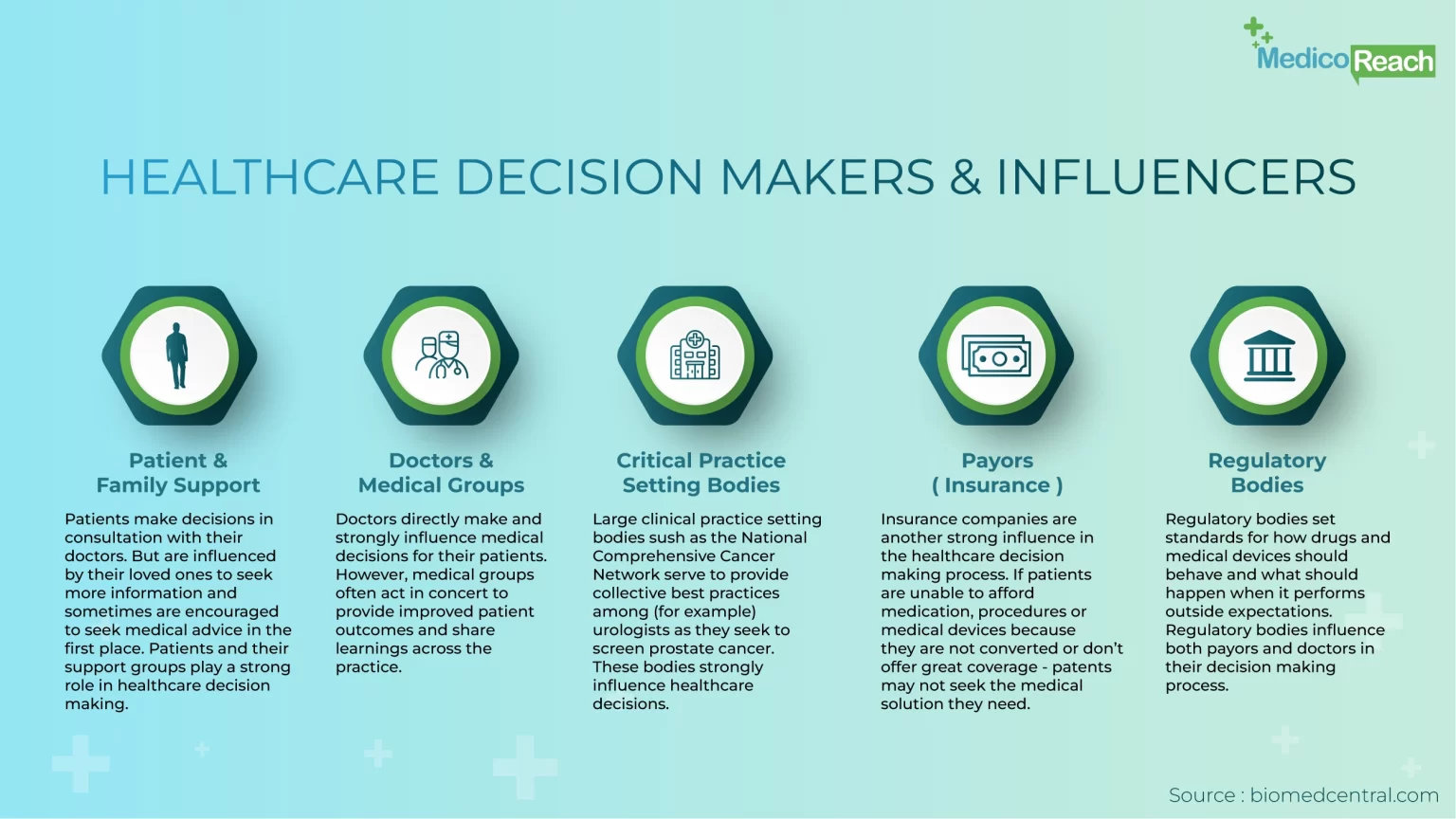
Effective decisions in healthcare are a collaborative effort involving various roles that bring expertise and accountability to the process. Each role contributes uniquely to ensuring decisions are ethical, data-informed, and aligned with organizational goals.
Decision-Maker
Typically a senior executive or manager, the decision-maker guides the overall process, ensuring alignment with organizational objectives. Approximately 84% of healthcare leaders recognize decision-making as vital for operational success.
Data Analysts
With the increasing reliance on big data, analysts provide critical insights that inform choices. The healthcare analytics market is projected to reach $84.2 billion by 2027, underscoring the importance of data-driven decision-making.
Legal and Compliance Experts
These professionals ensure decisions meet regulatory standards, which is essential in a sector governed by strict laws and ethical guidelines. Healthcare compliance spending is expected to reach $21.88 billion by 2026.
Financial Experts
Financial advisors assess the fiscal impact of decisions, helping organizations balance costs and benefits to ensure sustainability.
Clinical Professionals
Clinicians and medical staff provide insights into treatment protocols and patient care considerations, ensuring clinical effectiveness and safety.
Technology Specialists
Technology experts evaluate the feasibility of adopting new systems and tools, playing a crucial role in digital transformation efforts.
Stakeholder Engagement
Involving suppliers, partners, and patients in decision processes fosters transparency and shared understanding, leading to more accepted and effective outcomes.
Ethical Review Boards
These committees review decisions involving research, patient rights, and ethical considerations, safeguarding the integrity of healthcare practices.
Risk Assessment Teams
Focused on identifying potential pitfalls, these teams help preemptively address issues that could compromise safety or efficiency.
Conclusion
Strategic, collaborative decision-making is the foundation of a resilient and compassionate healthcare system. When leaders across disciplines work together, leveraging innovation and adhering to best practices, they create environments that prioritize patient well-being and operational excellence. Embracing continuous improvement and integrating new technologies—such as mobile health solutions—are vital steps in this journey (see here). Ultimately, decision-makers shape a healthcare landscape that is not only efficient but also inclusive and empathetic, reflecting the profound impact of thoughtful strategy on community health and well-being.