


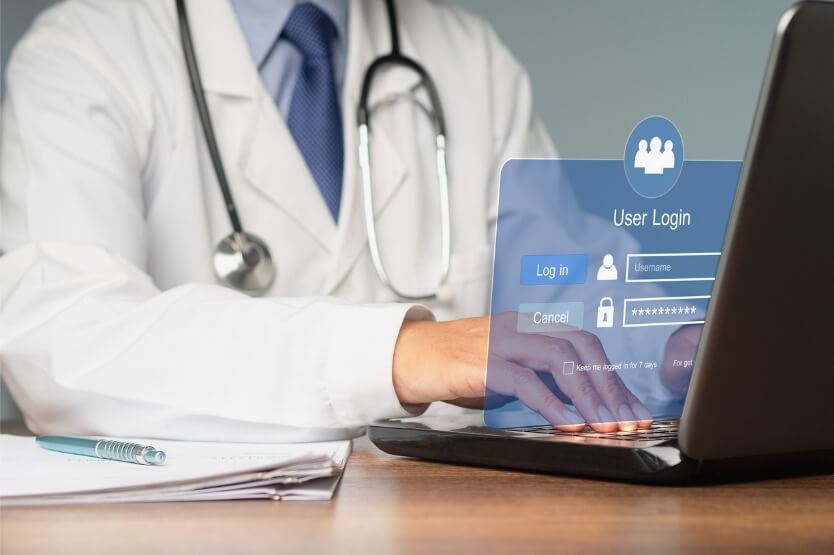
The rapid digitization of healthcare has revolutionized patient care, streamlining operations through electronic health records (EHR), telemedicine, and advanced digital tools. While these innovations have significantly improved health outcomes and operational efficiency, they also introduce new vulnerabilities that cybercriminals are eager to exploit. As healthcare organizations increasingly rely on interconnected systems and store vast amounts of sensitive data online, safeguarding this information becomes more critical than ever. A breach not only jeopardizes patient privacy but can also disrupt essential medical services, emphasizing the urgent need for robust cybersecurity strategies.
Healthcare cybersecurity is a complex and vital field, with far-reaching implications for patient safety, organizational reputation, and regulatory compliance. Protecting electronic medical records, financial information, and medical devices from cyber threats requires a comprehensive understanding of potential risks and the implementation of effective safeguards. As cyberattacks grow in sophistication and frequency, healthcare providers must stay ahead by adopting best practices that secure their technological infrastructure and safeguard sensitive data.
Why Cybersecurity is Essential in Healthcare
Healthcare institutions hold some of the most confidential information available—personal health details, medical histories, insurance data, and even genetic information. The importance of protecting this data cannot be overstated. When compromised, patient identities can be stolen, leading to fraud, identity theft, and unauthorized access to medical services. For healthcare providers, a data breach can result in costly downtime, regulatory penalties, and lasting damage to their reputation.
Moreover, cybersecurity in healthcare is not solely about data protection; it is also fundamental to maintaining the integrity and availability of medical services. A successful cyberattack can cause hospital operations to halt, delay treatments, or lead to errors in medical procedures, which directly endangers patient safety. Ensuring the security of technological systems and the data they contain is thus integral to delivering safe, reliable healthcare.
Risks, Vulnerabilities, and Critical Considerations
The healthcare sector faces numerous cyber threats, each with unique challenges. Understanding these risks is essential for developing effective defenses:
Ransomware Attacks
Ransomware has become a dominant threat in healthcare. Attackers encrypt critical systems or patient records and demand payments for decryption keys. Hospitals and clinics are particularly vulnerable because system downtime can delay urgent medical care, prompting some to pay ransoms to restore operations swiftly. These attacks can result in diverted emergency cases and postponed procedures, compromising patient outcomes.
Phishing and Social Engineering
Cybercriminals frequently use phishing campaigns to deceive healthcare staff into revealing login credentials or downloading malware. These social engineering tactics may involve impersonation of trusted figures like hospital administrators or physicians. When staff fall victim, attackers gain access to sensitive systems and data, increasing the risk of data theft and system compromise.
Weak Authentication and Access Controls
Many healthcare employees have extensive access to confidential data. Weak or reused passwords, coupled with inadequate access controls, create vulnerabilities. Cyberattackers often target systems where passwords are simple or not updated regularly. Implementing multi-factor authentication (MFA) significantly enhances security by adding layers of verification, making unauthorized access more difficult. For further insights into how healthcare data professionals are compensated for their expertise, visit how much do healthcare data analysts make.
Outdated Systems and Unpatched Software
Legacy systems and outdated software remain prevalent in healthcare due to budget constraints or operational dependencies. These systems often lack recent security patches, making them prime targets for hackers. Regular updates and patches are crucial to fix known vulnerabilities, but many organizations struggle to keep up due to the complexity and critical nature of their systems.
Insider Threats
Not all risks come from external sources. Disgruntled employees, contractors, or third-party vendors with access to sensitive data can intentionally or unintentionally cause harm. Insider threats are particularly insidious because they often involve authorized users, making detection and prevention more challenging.
Vulnerable Medical Devices
The proliferation of connected medical devices—such as pacemakers, insulin pumps, and imaging systems—expands the attack surface for cyber threats. Many of these devices have weak security protocols or outdated firmware, making them susceptible to hacking. Attackers could potentially manipulate these devices to harm patients or steal data. For more on technological advancements in healthcare, see how will ai impact healthcare.
Third-Party Vendor Risks
Healthcare organizations often work with external vendors for billing, laboratories, or telemedicine services. These third parties may access sensitive data and systems, creating additional points of vulnerability. A breach at a third-party vendor can have cascading effects, exposing patient information even if internal systems remain secure.
Best Practices for Strengthening Healthcare Cybersecurity
Implementing a comprehensive cybersecurity framework is essential to defend against evolving threats. Key strategies include:
1. Data Encryption
Encrypting data at rest and during transmission ensures that intercepted information remains unreadable. Prioritizing encryption for patient records, communications, and medical data is fundamental to protecting privacy. For more detailed guidance, visit how does the american healthcare system work.
2. Regular Security Assessments
Conducting frequent security audits and penetration testing identifies vulnerabilities before attackers do. These assessments simulate real-world threats, helping healthcare providers patch weaknesses and strengthen defenses proactively.
3. Multi-Factor Authentication
Requiring multiple forms of verification adds a critical layer of security. MFA significantly reduces the risk of unauthorized access, especially when combined with strong password policies and regular credential updates.
4. Employee Training and Awareness
Human error remains a leading cause of cybersecurity breaches. Continuous education on recognizing phishing attempts, social engineering tactics, and safe cybersecurity practices empowers staff to act as the first line of defense.
Interesting:
5. Up-to-Date Software and Patches
Keeping all systems current with the latest security patches minimizes vulnerabilities exploited by cybercriminals. Establishing routine update procedures is vital for closing security gaps.
6. Securing Medical Devices
Medical devices should be secured with strong authentication and encryption standards. Regular firmware updates and adherence to industry cybersecurity standards help protect these critical tools from exploitation.
7. Incident Response Planning
Having a clear, practiced incident response plan ensures quick action in the event of a breach. This includes containment, investigation, notification, and recovery procedures, minimizing damage and restoring services efficiently.
Why Healthcare is a Prime Target for Cybercriminals
Several factors make healthcare an attractive target:
-
High-Value Data: Medical records are lucrative on the black market because they contain comprehensive personal details that are difficult to alter—ideal for identity theft and fraud.
-
Legacy and Inadequate Security: Many healthcare organizations still operate with outdated security measures, creating exploitable vulnerabilities.
-
Urgent Need for Medical Care: The critical nature of healthcare services pressures organizations to restore systems quickly, making ransom payments more tempting.
-
Cybersecurity Awareness Gaps: Often, cybersecurity isn’t prioritized equally with clinical operations, leaving gaps open for attack.
Notable Healthcare Data Breaches
Recent high-profile incidents underline the persistent threat:
-
University of California, San Francisco (2020): A ransomware attack demanding over $1 million compromised sensitive research and patient data. The university paid the ransom to restore access.
-
WannaCry Ransomware (2017): This attack affected hundreds of hospitals globally, causing widespread disruptions, canceled procedures, and delayed treatments.
-
Anthem Data Breach (2015): Nearly 80 million individuals’ personal health information was stolen, including Social Security numbers and income details.
The Rising Cost of Cyber Attacks
The financial toll of healthcare cybersecurity breaches is significant. According to IBM, the average cost of a healthcare breach in 2020 reached approximately $7.13 million. Beyond direct financial losses, organizations face regulatory fines, legal expenses, damage to reputation, and erosion of patient trust. As cyber threats become more sophisticated, investing in preventive measures is vital to avoid these escalating costs. For insights into the structure of healthcare financing, see how does the american healthcare system work.
Building a Secure Healthcare Environment
Cybersecurity in healthcare is an ongoing commitment to safeguarding patient safety and ensuring continuous delivery of care. By adopting layered security measures—such as encryption, regular audits, employee training, and incident response plans—healthcare organizations can defend against cyber threats effectively. Staying ahead of the curve requires vigilance, technological innovation, and a culture that prioritizes security at every level.
Looking for a trusted cybersecurity partner to strengthen your healthcare organization’s defenses? Schedule a strategy session today and take the first step toward a more secure future. Expect a call within one business day.