

The landscape of social work salaries continues to evolve, influenced by regional economic factors, specialization areas, and advancements in licensure. For aspiring and current social workers, understanding the earning potential across different states is essential for making informed career decisions. This comprehensive guide synthesizes the latest data from the Bureau of Labor Statistics (BLS) and other authoritative sources to provide clarity on what you can expect to earn in 2025, considering both nominal wages and cost of living adjustments. Whether you are entering the field or seeking to advance your career, knowing where salaries are highest and what factors influence compensation can help you strategize effectively.
Understanding Social Worker Salaries in 2025
In 2025, social workers’ salaries are expected to vary significantly across states, driven by local demand, economic conditions, and licensing requirements. The national median salary for all social workers is projected to hover around $63,000 annually, but this figure conceals considerable regional disparities. Factors such as education level, specialization, years of experience, and work setting play a crucial role in earnings. Healthcare social workers, for example, tend to command higher wages, especially in metropolitan areas with robust medical infrastructure. Meanwhile, social workers in rural or less-developed regions may find opportunities with lower pay but benefit from a lower cost of living, which can enhance overall purchasing power.
For a broader perspective on financial planning within healthcare, reviewing effective debt management can be beneficial. Additionally, understanding the importance of universal healthcare systems helps contextualize the demand and compensation trends for social workers involved in public health initiatives. Moreover, prioritizing safety and risk management in healthcare environments ensures sustainable career growth and salary progression, which can be explored through resources like risk management’s role in healthcare.
Social Worker Salary by State: Quick Navigation
This section provides a snapshot of national and regional salary trends, helping you identify promising markets for social work employment in 2025.
National Social Worker Salary Overview 2024
| Social Work Category | Employment | Median Salary | 10th Percentile | 90th Percentile |
|—|—|—|—|—|
| All Social Workers | 759,740 | $61,330 | $41,580 | $99,500 |
| Child, Family & School | 382,960 | $58,570 | $40,580 | $94,030 |
| Healthcare | 204,360 | $65,580 | $42,930 | $100,250 |
| Mental Health & Substance Abuse | 157,350 | $59,200 | $38,650 | $96,130 |
These figures reflect a broad spectrum of social work roles, from entry-level positions to advanced clinical practices, with median salaries showing steady growth aligned with inflation and increased demand for specialized services.
Top 10 Highest-Paying States for Social Workers (2024)
| Rank | State | Median Annual Salary | Cost of Living Index | Adjusted Salary |
|—|—|—|—|—|
| 1 | District of Columbia | $82,540 | 152.1 | $54,271 |
| 2 | Hawaii | $79,920 | 179.0 | $44,648 |
| 3 | California | $78,810 | 142.2 | $55,443 |
| 4 | Connecticut | $75,670 | 107.8 | $70,176 |
| 5 | New Jersey | $74,950 | 114.1 | $65,697 |
| 6 | Rhode Island | $73,280 | 110.5 | $66,308 |
| 7 | Oregon | $72,090 | 113.2 | $63,692 |
| 8 | Washington | $71,540 | 115.7 | $61,842 |
| 9 | New York | $71,390 | 125.1 | $57,074 |
| 10 | Massachusetts | $70,240 | 121.6 | $57,763 |
While salary figures are highest in these states, the real value of earnings depends heavily on the local cost of living. For example, Connecticut offers remarkable purchasing power after adjusting for living costs, making it an attractive destination for social workers seeking both high pay and affordability.
Social Worker Salaries by Specialization
Specialization profoundly influences earning potential. Healthcare social workers, who assist patients in navigating complex medical systems, typically earn more than their counterparts in educational settings. Licensed clinical social workers (LCSWs), with their advanced training and ability to provide therapy, often top salary charts.
Healthcare Social Workers
These professionals are essential in hospitals, clinics, and community health organizations, earning a median of approximately $66,000 nationwide. States like California, Connecticut, and Oregon present especially lucrative opportunities for healthcare-focused social workers. Their work involves coordinating patient care, advocating for health equity, and connecting families with vital resources.
Mental Health & Substance Abuse Social Workers
Focusing on individuals facing mental health challenges or addiction, these specialists earn a median salary of about $59,200. As awareness of mental health issues grows, demand for these roles increases, especially in states with extensive mental health infrastructure such as Massachusetts and New York. You can explore the importance of comprehensive mental health services to better understand how policy impacts salary trends.
Child, Family & School Social Workers
Representing the largest employment segment, these social workers support children and families in schools, child welfare agencies, and community organizations. While median salaries are slightly lower—around $58,570—they offer abundant job opportunities nationwide, with over 380,000 positions. Their work often involves policy advocacy and direct intervention, providing a meaningful career pathway.
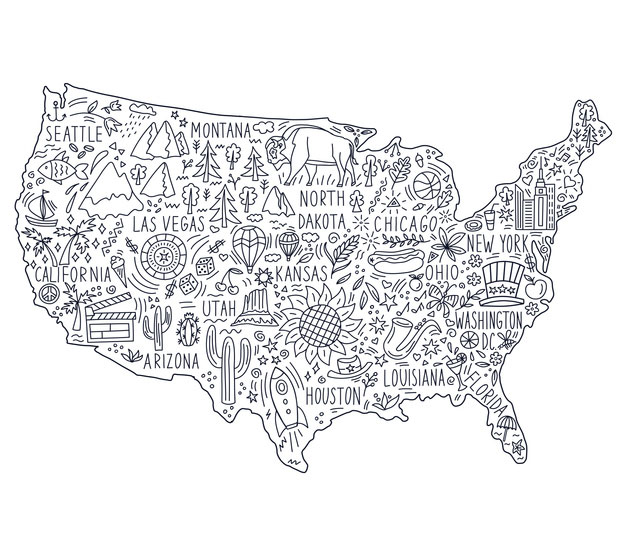

Complete State-by-State Social Worker Salary Guide
This section offers detailed salary data based on the latest May 2024 BLS figures, considering various licensing requirements and job markets across all 50 states.
Alabama
Median Salary: $40,450 | Range: $32,910 – $61,600
Alabama’s licensing system, including the Office of Deaf Services, provides structured career pathways. Although salaries are below the national median, the state’s low cost of living (index 87.5) enhances overall earning power.
Alaska
Median Salary: $50,170 | Range: $38,090 – $89,210
Alaska’s higher salaries compensate for remote locations and higher living expenses. Many social workers qualify for stipends and loan forgiveness programs, making it an attractive state for professionals seeking adventure and service.
Arizona
Median Salary: $45,780 | Range: $36,860 – $68,120
Projected growth in healthcare and social services over the next decade signals strong job stability. Metropolitan areas like Phoenix and Tucson offer the most lucrative opportunities.
Arkansas
Median Salary: $38,790 | Range: $31,500 – $55,380
Arkansas maintains a straightforward licensing process and a low cost of living, supporting new graduates entering the field. Licensing requires adherence to standards, ensuring professional quality.
California
Median Salary: $72,810 | Range: $48,760 – $103,730
California leads the nation with the highest number of social workers and some of the highest salaries. Metropolitan regions like Los Angeles and San Francisco offer especially competitive wages, though licensing requirements vary.
Colorado
Median Salary: $56,950 | Range: $42,620 – $77,470
Recent legislation expanded licensing pathways, bolstering career prospects. Denver and Boulder are hotspots for social work employment, with salaries surpassing the state average.
Connecticut
Median Salary: $67,930 | Range: $47,740 – $93,760
High salaries accompany a demand for licensed professionals. The state’s proximity to major urban centers and its robust healthcare infrastructure support higher compensation levels.
Delaware
Median Salary: $49,210 | Range: $38,070 – $66,320
Delaware mandates licensing for all social workers, facilitating professional standards. Its compact size encourages networking and collaboration opportunities.
District of Columbia
Median Salary: $75,090 | Range: $52,070 – $99,230
DC offers among the highest salaries nationwide. Continuing education, including risk management training, is required, reflecting the district’s commitment to service excellence.
Florida
Median Salary: $46,690 | Range: $36,570 – $66,810
Florida’s licensing framework supports diverse career paths, including licensed clinical social workers and interns. Larger cities like Miami and Tampa provide higher salary opportunities.
Developing strong clinical skills can further boost earning potential in this vibrant market.
Georgia
Median Salary: $44,840 | Range: $35,680 – $63,320
Salaries are higher in Atlanta, which offers a robust job market for licensed professionals. Licensing reciprocity may be available, easing interstate mobility.
Hawaii
Median Salary: $68,830 | Range: $51,880 – $89,540
The high cost of living is offset by elevated salaries and active professional associations. Hawaii’s NASW chapter provides networking and ongoing education for growth.
Idaho
Median Salary: $47,270 | Range: $36,870 – $66,290
Licensing options at different education levels support diverse career stages. Idaho’s flexible licensing facilitates entry and retention in rural and urban settings alike.
Illinois
Median Salary: $55,020 | Range: $41,870 – $75,120
Illinois has eased licensure barriers, especially in Chicago, where salaries are notably higher. The state’s licensing reform (Public Act 102-0326) simplifies entry for new practitioners.
Indiana
Median Salary: $44,040 | Range: $35,320 – $62,540
Reciprocity agreements assist out-of-state social workers in Indiana. The city of Indianapolis offers promising career opportunities with competitive wages.
Iowa
Median Salary: $54,840 | Range: $40,580 – $73,970
The LISW designation provides flexible practice options, including clinical and non-clinical roles. This adaptability supports diverse career paths.
Kansas
Median Salary: $49,010 | Range: $37,680 – $66,850
Kansas’s longstanding licensing system ensures stable employment opportunities, especially in healthcare and social services sectors.
Kentucky
Median Salary: $42,350 | Range: $33,600 – $60,220
Projected growth and a clear licensing pathway make Kentucky a promising state for social workers seeking stability and upward mobility.
Louisiana
Median Salary: $44,220 | Range: $33,940 – $62,680
Louisiana’s specialized licenses, like RSW and LCSW-BACS, create niche opportunities, from clinical practice to administrative roles.
Maine
Median Salary: $51,770 | Range: $41,090 – $68,380
Maine’s supportive licensure policies and attractive environment draw professionals seeking balanced lifestyles and meaningful work.
Maryland
Median Salary: $60,200 | Range: $43,960 – $84,390
Maryland’s upcoming interstate licensure agreements and proximity to DC support higher salaries and mobility for licensed social workers.
Massachusetts
Median Salary: $62,360 | Range: $44,370 – $87,090
Innovative licensing options, like the LSWA classification, facilitate entry for those with associate degrees. Boston’s high-paying markets reward advanced qualifications.
Michigan
Median Salary: $52,670 | Range: $40,770 – $70,870
Michigan’s diverse licensing options, including the RSST, support various career tracks, especially in urban centers like Detroit and Ann Arbor.
Minnesota
Median Salary: $58,020 | Range: $43,740 – $78,570
The state’s tiered licensing system and exemptions for tribal and county practitioners promote widespread employment, especially in the Twin Cities.
Mississippi
Median Salary: $35,580 | Range: $29,630 – $53,580
Though salaries are lower, Mississippi’s cost of living (index 84.8) magnifies purchasing power. Licensure is straightforward for qualified professionals.
Missouri
Median Salary: $43,450 | Range: $33,910 – $62,140
Missouri’s reciprocity agreements and stable healthcare sector make it a practical choice, particularly in St. Louis and Kansas City.
Montana
Median Salary: $48,930 | Range: $36,510 – $66,740
Recent licensing expansions have opened opportunities for bachelor’s and Master’s level social workers, supporting rural and urban employment.
Interesting:
Nebraska
Median Salary: $48,800 | Range: $36,520 – $68,060
Nebraska’s flexible licensing system, requiring no formal exam for CSW certification, encourages professionals to enter and stay in the field.
Nevada
Median Salary: $61,140 | Range: $44,610 – $82,340
Nevada’s multiple licensing tiers facilitate diverse career paths. Las Vegas and Reno provide premium salaries, especially in healthcare and mental health sectors.
New Hampshire
Median Salary: $54,080 | Range: $41,750 – $72,410
Regulation of clinical and school social workers supports professional development. The state’s licensure pathways are aligned with national standards.
New Jersey
Median Salary: $68,170 | Range: $48,960 – $94,510
High wages are complemented by comprehensive licensing requirements. The state’s strong healthcare infrastructure enhances career opportunities.
New Mexico
Median Salary: $52,940 | Range: $39,080 – $73,680
The LISW credential provides a pathway comparable to LCSW in other states. Albuquerque and Santa Fe are key employment hubs.
New York
Median Salary: $66,390 | Range: $47,060 – $89,910
New York’s licensure demands, including LMSW and LCSW, reflect its status as a hub for advanced social work practice. High salaries in NYC support the high cost of living.


North Carolina
Median Salary: $48,420 | Range: $37,870 – $65,890
Innovative licensing options like the CSWM expand opportunities. The state’s growth projections make it attractive for new entrants.
North Dakota
Median Salary: $54,690 | Range: $41,670 – $75,070
Licenses require passing ASWB exams. Oil-rich regions often offer signing bonuses, making North Dakota a compelling choice for specialists.
Ohio
Median Salary: $48,050 | Range: $37,250 – $66,560
Entry-level licenses such as SWA and SWT facilitate workforce entry. Urban centers like Columbus provide higher salaries.
Oklahoma
Median Salary: $47,070 | Range: $35,510 – $66,960
All practitioners must be licensed under the 1980 act, with higher earnings in Oklahoma City and Tulsa. The state’s employment prospects remain steady.
Oregon
Median Salary: $60,320 | Range: $43,620 – $82,610
Oregon’s licensing system aligns with educational stages, supporting continuous professional development. Portland remains the economic hub for social work.
Pennsylvania
Median Salary: $49,520 | Range: $38,550 – $68,580
Multiple licensing options exist based on education. Urban centers like Philadelphia and Pittsburgh provide abundant opportunities.
Rhode Island
Median Salary: $64,530 | Range: $47,900 – $86,490
The state’s licensure requirements support clinical social workers, with upcoming policy changes easing certification processes.
South Carolina
Median Salary: $45,110 | Range: $35,090 – $63,340
Differentiated licenses for clinical and non-clinical roles enable tailored career paths. The state projects steady growth in social work positions.
South Dakota
Median Salary: $53,790 | Range: $40,520 – $70,890
Flexible licensing pathways, including the social work associate license, support diverse career entry points, especially in rural communities.
Tennessee
Median Salary: $46,920 | Range: $36,310 – $65,870
Salaries are higher in Nashville and Memphis. The licensing process emphasizes examinations, ensuring professional standards.
Texas
Median Salary: $52,280 | Range: $39,520 – $73,430
The projected 30% growth in social assistance sectors makes Texas a promising state. Major metropolitan areas offer premium salaries.


Utah
Median Salary: $48,540 | Range: $37,330 – $66,450
Utah’s tiered licensing system includes options for pre-licensure internships, supporting career development from early stages.
Vermont
Median Salary: $54,460 | Range: $42,410 – $72,610
Licensing requirements favor advanced practitioners, while non-clinical roles often do not require formal credentials. The state’s natural beauty makes it ideal for work-life balance.
Virginia
Median Salary: $56,550 | Range: $42,100 – $77,090
Virginia’s five-tier licensing system mandates annual renewals, fostering ongoing professional engagement. Proximity to DC influences higher salaries in northern regions.
Washington
Median Salary: $65,170 | Range: $48,940 – $86,570
All licenses in Washington require Master’s or Doctorate degrees and ASWB exams. Seattle’s job market offers some of the highest salaries nationally.
West Virginia
Median Salary: $45,470 | Range: $35,260 – $65,730
Provisional licenses support entry for those without formal social work education, fostering career shifts and expansion.
Wisconsin
Median Salary: $50,470 | Range: $38,450 – $69,400
Multiple licensing levels support career advancement. Wisconsin’s licensing exams ensure consistent quality standards.
Wyoming
Median Salary: $48,900 | Range: $37,330 – $67,220
The PCSW license aids supervision and professional development, especially for those progressing toward clinical practice.
Factors Influencing Social Worker Salaries
Education Level
Higher educational attainment correlates strongly with increased earning potential. BSW graduates can begin working immediately, but MSW holders typically earn 20-30% more. Advanced degrees like DSW or PhD lead to roles in administration or academia, often with higher compensation.
Licensure Status
Licensed clinical social workers (LCSWs) often earn 25-40% more than non-clinical peers, primarily because of their ability to provide therapy and private practice services. Continuous professional development and licensure renewal are vital for salary growth.
Experience
Starting salaries are usually at the lower quartile, but with 5-10 years of experience, social workers generally reach median wages. Senior practitioners or specialists with over 15 years can earn at or above the 75th percentile, especially in lucrative settings.
Work Environment
Healthcare settings, particularly hospitals and clinics, tend to pay higher wages. Government agencies and large nonprofits offer stable employment and benefits, sometimes compensating for lower salaries through loan forgiveness programs and other perks.
Geographic Location
Urban centers generally offer higher salaries, but the cost of living can diminish real income gains. States with established social service infrastructure, such as Massachusetts or California, often provide better compensation packages.
Advancing Your Career and Increasing Earnings
Career progression in social work follows a typical trajectory:
Entry-Level (0-2 years)
- BSW: Starting around $35,000–$45,000
- MSW: Starting around $45,000–$55,000
Focusing on supervised experience and considering online programs can accelerate growth. For insights on financial health, exploring methods to reduce bad debt is advisable.
Mid-Career (3-10 years)
- Licensed social workers: $50,000–$70,000
- Specialized clinicians: $60,000–$80,000
Obtaining certifications in niche areas or pursuing doctoral studies can expand opportunities and salary potential.
Senior Level (10+ years)
- Program directors: $70,000–$90,000
- Private practitioners: $80,000–$120,000+
Executive and Leadership Positions
- Agency directors: $90,000–$130,000
- Policy advocates: $100,000–$150,000
- Healthcare administrators: $110,000–$160,000
Participation in high-level roles often requires ongoing education, licensing, and strategic networking.
FAQs: Your Salary Questions Answered
What starting salaries can new social workers expect?
Entry-level BSW graduates typically earn between $35,000 and $45,000, with MSW holders starting around $45,000 to $55,000, depending on location and sector.
Which specialization offers the highest pay?
Healthcare social workers generally have the highest median salaries, especially those with clinical licensure, earning upwards of $80,000 in private practice or hospital settings.
Does obtaining an MSW significantly boost earnings?
Yes, an MSW typically increases earning potential by 20-30%, especially when combined with licensure and experience. Advanced degrees open doors to higher-paying roles and leadership positions.
How does cost of living influence salary value?
Adjusted salaries provide a clearer picture of real purchasing power. For instance, a $75,000 salary in San Francisco might equate to only $45,000 in a lower-cost state like Alabama, emphasizing the importance of considering local economic conditions.
Which areas are experiencing rapid growth in social work?
Healthcare, mental health, and substance abuse services are projected to grow at a steady rate, with opportunities in telehealth and aging populations expanding salary prospects.
Is it possible for social workers to reach six-figure earnings?
Absolutely. Experienced clinicians, private practice owners, and healthcare administrators can earn over $100,000 annually, especially in high-cost urban markets.
Tips to maximize income?
Pursue advanced degrees and certifications, specialize in high-demand fields, seek employment in high-paying states, and consider private practice or consulting roles after gaining experience.
Are salaries keeping pace with inflation?
Overall, social worker wages have increased approximately 15% over recent years. Nonetheless, regional and sector-specific growth varies, with clinical and healthcare roles generally experiencing stronger wage increases.
Shaping Your Social Work Future
Salary data offers valuable insights, but personal fulfillment, meaningful work, and societal impact are equally important. Use this information to plan your educational investments and career moves wisely. Whether you aim to start with a BSW, pursue an MSW, or enhance your credentials online, understanding regional pay scales and licensing pathways is crucial. For current licensure requirements and accredited programs, consult your state’s social work licensing board and CSWE-accredited programs that align with your ambitions. Your dedication can lead to a rewarding career that balances financial stability with the profound satisfaction of making a difference.
Data sourced from the 2024 US Bureau of Labor Statistics and official state licensing boards, reflecting the most recent updates on social work employment and salary trends.