






Revolutionizing Patient Engagement with AI-Driven Solutions
 December 23, 2025
Healthcare is at a pivotal moment where technology increasingly shapes patient care and operational efficiency. Despite significant advancements, over 45% of individuals still face unmet basic health needs, highlighting ongoing gaps in the system. Leveraging artificial intelligence (AI) and innovative management platforms offers a transformative approach to bridge these gaps, making healthcare more accessible, personalized, and efficient. This evolution not only enhances patient experiences but also streamlines clinical workflows, reduces costs, and improves health outcomes. Exploring how these cutting-edge tools are redefining the healthcare landscape reveals a future where patient engagement is smarter, more responsive, and truly patient-centric.
The Role of Referral Management in Modern Healthcare
Referrals are a cornerstone of effective healthcare delivery, serving as a vital link between primary care providers and specialists. This process involves directing patients from general practitioners to specialized healthcare professionals for further diagnosis or treatment. Proper management of referrals ensures that patients receive the right care at the right time, fostering a comprehensive and coordinated healthcare experience. Streamlining referral procedures can significantly improve health outcomes by reducing delays and minimizing unnecessary bureaucratic hurdles. When optimized, referral systems facilitate a seamless transition across care levels, enabling multidisciplinary collaboration that benefits both patients and providers.
In today’s digital age, implementing advanced referral management systems is crucial. These platforms automate and coordinate the referral process, ensuring accuracy and efficiency. They help in reducing administrative burdens, minimizing errors, and improving communication between healthcare teams. Notably, integrated systems can also assist in tracking referral statuses, making it easier to identify and address bottlenecks promptly. For a deeper understanding of how technology influences healthcare operations, see how will ai change healthcare.
Enhancing Care Delivery Through Patient Referrals
Patient referrals are more than just a procedural step; they are instrumental in improving healthcare quality and personalization. When managed effectively, referrals enable patients to access specialized care tailored to their unique needs, fostering better treatment outcomes and higher satisfaction levels. They also promote timely interventions, which are critical in managing chronic conditions or urgent health issues.
Furthermore, well-structured referral pathways support a collaborative healthcare environment, encouraging communication among diverse providers. This collaboration ensures comprehensive care plans that consider all aspects of a patient’s health. As healthcare systems become more complex, particularly with the integration of electronic health records (EHRs), the importance of precise and efficient referral processes grows. These systems help in matching patients with the most suitable specialists, thereby optimizing treatment efficacy. To learn more about the importance of data management, explore what are data sets in healthcare.
The Impact of Referrals on Healthcare Systems and Financial Stability
Efficient referral management is vital not only for improving patient outcomes but also for maintaining the financial health of healthcare organizations. Mismanaged referrals can lead to financial losses through patient leakage, where patients seek care outside the provider’s network, resulting in revenue loss. Preventing such leakage involves creating robust systems that retain patient flow within the network, thus safeguarding revenue streams.
Interesting:
Additionally, referral inefficiencies can cause delays and redundancies, increasing operational costs and straining resources. To mitigate these issues, many healthcare providers are adopting specialized referral software solutions that automate routing, track progress, and verify insurance coverage seamlessly. These tools reduce administrative overhead and enhance care continuity, ultimately leading to higher patient retention and satisfaction. For insights into healthcare system operations, review how is canadas healthcare system.
The Future of Referral Management: Technology and Innovation
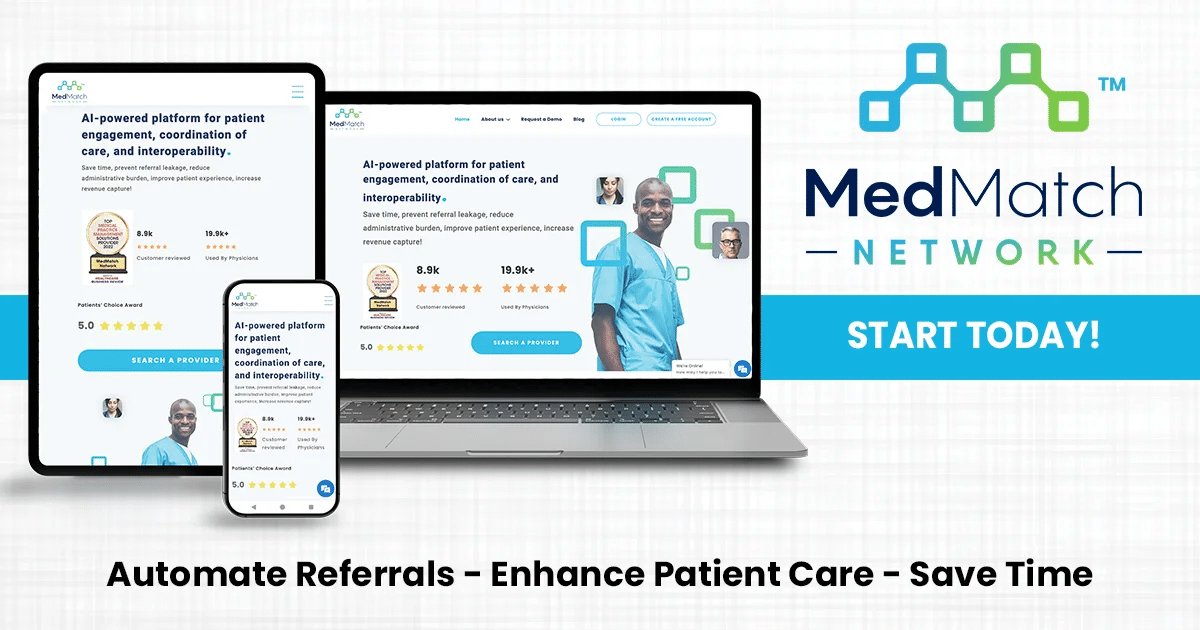
The advent of sophisticated referral management platforms like MedMatch Network exemplifies the potential of technology to revolutionize healthcare workflows. These platforms utilize cloud-based systems, extensive provider databases, and seamless EHR integrations to streamline the referral process. They facilitate accurate matching of patients to specialists, reduce administrative errors, and ensure timely care delivery.
Features such as automated insurance verification, real-time referral tracking, and secure data exchange are transforming how providers coordinate care. These innovations empower healthcare professionals to focus more on patient care rather than paperwork, leading to better health outcomes and enhanced patient experiences. For more details on technological advancements, see what type of healthcare system does canada have.
Embracing AI and Digital Platforms for Smarter Healthcare
Artificial intelligence is increasingly integrated into healthcare platforms to improve decision-making, personalize patient interactions, and optimize resource allocation. AI-powered tools can analyze vast datasets to predict patient needs, suggest personalized treatment plans, and automate routine administrative tasks. They are instrumental in managing complex referral networks, identifying gaps, and reducing delays.
By embracing these innovations, healthcare providers can deliver more tailored, efficient, and accessible care. AI-driven systems also facilitate continuous monitoring and feedback, allowing for iterative improvements in patient management. The continuous evolution of these technologies indicates a future where healthcare becomes more proactive and predictive, ultimately transforming patient engagement and care quality.
In summary, the integration of AI and advanced referral management platforms is reshaping healthcare delivery. These solutions foster better communication, improve operational efficiency, and enhance patient satisfaction. As healthcare systems worldwide grapple with rising demands and limited resources, adopting such innovations becomes essential to sustain and advance quality care.