


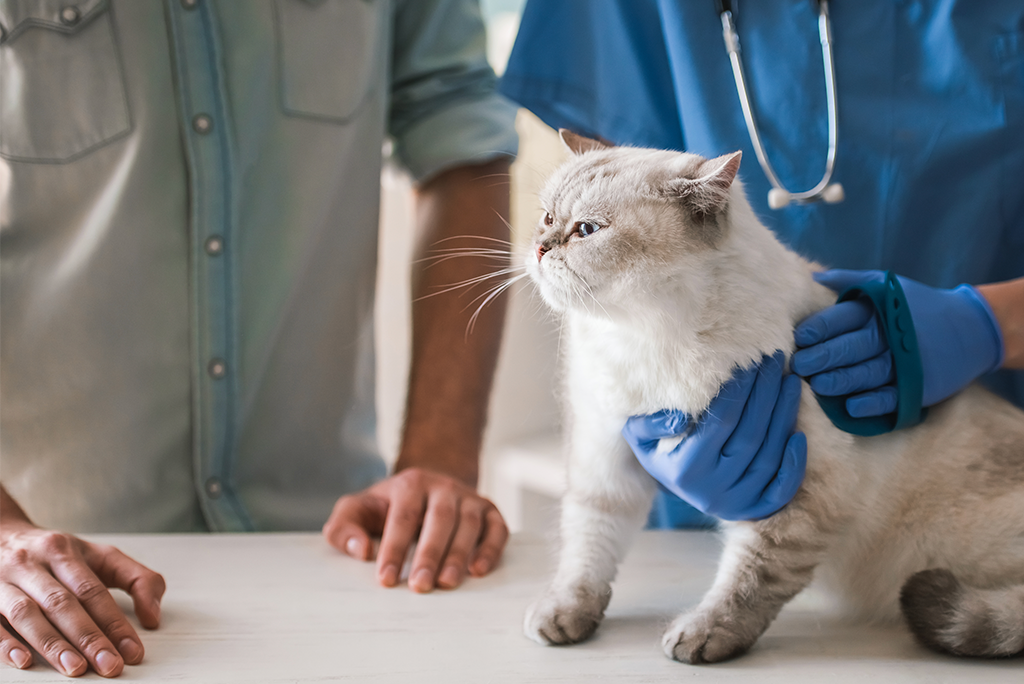
The COVID-19 pandemic has exposed many vulnerabilities in our healthcare systems, prompting a reevaluation of what constitutes essential services. Among these, veterinary care has gained increased recognition, yet its classification varies across states. Understanding whether veterinary services are considered part of the broader healthcare framework is vital for appreciating their role in public and animal health, especially during crises when their services are most needed.
Veterinary professionals have historically been seen as critical to maintaining animal health, but their inclusion as essential workers depends largely on regional policies. In 17 states across the U.S., veterinarians and animal care workers are officially designated as essential, allowing them to continue providing vital services amidst shutdowns. However, in many other states, animal health workers are not classified as essential, which can hinder ongoing care and compromise animal welfare. Recognizing the indispensable nature of these services has led organizations such as the American Veterinary Medical Association (AVMA) to advocate for the classification of animal health practices as essential, emphasizing their critical contributions to public safety and the economy.
The scope of animal healthcare extends beyond routine veterinary visits. It encompasses a broad spectrum of activities that safeguard both animal and human health. These include monitoring for disease outbreaks, which is crucial for preventing zoonotic transmission; supporting the food industry by ensuring the health of livestock; providing daily care for sick or injured animals; caring for laboratory animals involved in research—including vaccine development against COVID-19; and maintaining the well-being of pets and non-farm animals through feeding, grooming, and exercise. These functions underscore the vital role of animal health practices, which are often overlooked in discussions about healthcare services.
Animal Care Workers – Not Merely Veterinarians
The term “animal healthcare workers” encompasses a diverse group of professionals beyond veterinarians and laboratory technicians. They serve in various settings such as veterinary clinics, zoological parks, kennels, pet stores, stables, and animal shelters. Many specialize in specific fields, including marine mammals, equines, reptiles, or behavioral training, and are considered essential personnel within their respective sectors.
Groomers and animal caretakers perform fundamental tasks like trimming nails, clipping fur, and bathing animals to ensure their hygiene and comfort. They disinfect equipment and living spaces to prevent disease spread and monitor the animals’ health by observing behavior, diet, and physical condition. Recording these observations helps identify early signs of illness, depression, or other health issues that require veterinary intervention. Additionally, caretakers often train animals to respond to commands, enabling them to serve as service animals for individuals with disabilities or as security animals. Their work requires round-the-clock attention, often involving irregular hours, including evenings, weekends, and holidays, reflecting the demanding nature of animal care.
The Pandemic’s Ripple Effect on Animal Welfare
The COVID-19 crisis has introduced unique challenges to the animal healthcare industry. While there has been a notable increase in pet adoptions, restrictions on outdoor activities and the closure of pet supply stores have adversely affected pet health. Limited access to supplies and professional advice has led to an uptick in health issues among animals. Furthermore, economic hardships have made it difficult for owners to afford basic veterinary care, food, and medications, escalating concerns about animal welfare during this period.
Interesting:
These circumstances highlight the importance of maintaining continuity in animal care services, even amid public health emergencies. For insight into how healthcare providers can adapt and stay compliant, consider exploring a comprehensive approach to healthcare regulations and compliance, which emphasizes the importance of adapting protocols to meet evolving challenges.
How Your Animal Practice Can Support During COVID-19
While public health guidelines from the CDC provide a framework for animal care during the pandemic, veterinary practices can implement specific strategies to reduce transmission risk and continue serving their communities effectively. Technology plays a crucial role in this effort, with tools that facilitate contactless interactions and streamline operations.
VitusVet offers solutions such as curbside pickup and delivery services, enabling clients to remain in their vehicles while staff handle their pets and supplies. This approach minimizes physical contact and helps prevent cross-contamination. Using two-way texting, practices can maintain clear communication with clients, coordinating appointments and updates efficiently. Additionally, contactless payment options through tablet checkout allow for safe transactions, providing flexibility during these economically uncertain times.
Many practices are adjusting their schedules by postponing elective procedures and extending appointment times to accommodate thorough cleaning protocols. The VitusVet scheduling platform allows easy modification of bookings, empowering clients to request appointments at convenient times. Moreover, in response to high demand, practices can provide clients with 24/7 access to electronic pet health records, which is especially important when clinics face temporary closures. This digital access underscores a practice’s commitment to prioritizing pet well-being and facilitates ongoing care.
For further guidance, organizations like the CDC have issued interim recommendations for businesses responding to COVID-19, helping practices adapt their operations to protect both staff and clients while maintaining essential services.
Recognizing veterinary services as a fundamental component of healthcare underscores their importance not only for animal welfare but also for public health. As the industry continues to adapt during these unprecedented times, integrating innovative solutions and advocating for essential worker classification remains critical in safeguarding the health of communities and animals alike.