


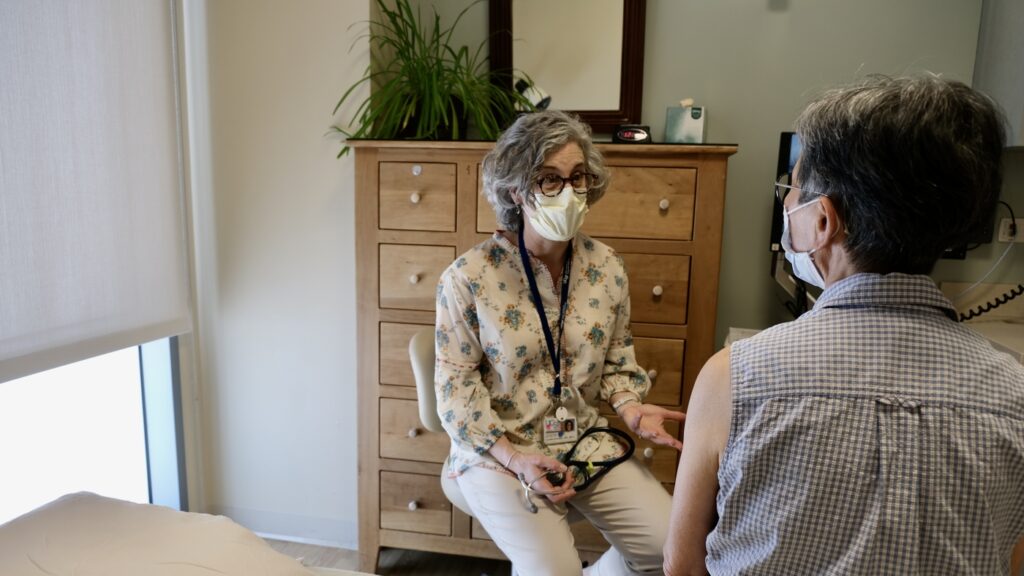
Ageism in healthcare is a pervasive issue that often flies under the radar but can have serious consequences for older adults. It influences how patients are treated, how their needs are perceived, and how effectively they receive care. Understanding the subtle and overt ways age bias manifests is essential to fostering a more equitable and respectful healthcare environment for aging populations.
Ageism in the medical setting can be seen in everyday interactions—like speaking loudly to older patients or making assumptions based solely on age. For instance, a recent study highlights that seniors spend an average of 21 days annually attending medical appointments. Kathleen Hayes, who cares for her elderly parents in Chicago, has observed firsthand how healthcare workers sometimes address her parents at high volume or direct their questions to her instead. Such behaviors, though seemingly minor, reflect underlying prejudices that can diminish a patient’s dignity and morale.
Research indicates that ageism contributes to both over- and undertreatment of older individuals. Dr. Louise Aronson, a geriatrician and author of Elderhood, emphasizes that many healthcare providers, due to limited training on aging, may unintentionally overlook the unique needs of seniors. When medical decisions are based solely on chronological age rather than a comprehensive assessment of health, function, and personal priorities, patients risk receiving inappropriate or unnecessary interventions. For example, piling medications or procedures onto an older patient without thorough evaluation can lead to harm, unnecessary discomfort, and a decline in quality of life.
The root of many age-related biases lies in societal perceptions. Older adults are often viewed as frail, homogeneous, or less capable, which influences clinical judgment. These stereotypes can lead to a dismissive attitude, where healthcare providers may see an elderly patient’s concerns as part of aging rather than treatable health issues. This attitude is compounded by the fact that medical education dedicates minimal time—often only two weeks in a four-year curriculum—to understanding the complexities of aging bodies and minds.
Addressing ageism requires both cultural shifts and structural reforms. Organizations like Changing the Narrative promote awareness and challenge negative stereotypes linked to aging. Their research demonstrates that harmful beliefs about getting older can accelerate cognitive decline, increase depression and anxiety, and even reduce lifespan by up to seven and a half years. Conversely, fostering positive perceptions about aging can lead to healthier, more fulfilling lives.
Interesting:
- Preventing costly mistakes understanding and combating double billing in healthcare
- Healthcare providers essential role in combating fraud waste and abuse
- Recognizing and addressing conflicts of interest in healthcare
- Recognizing and addressing abuse in healthcare a comprehensive conceptual analysis
- Ensuring excellence in elderly healthcare implementing quality assurance and performance improvement qapi
Training healthcare professionals to recognize and combat their biases is crucial. Many programs now include anti-ageism modules, often delivered through virtual platforms, aiming to improve interactions between providers and older patients. These initiatives encourage clinicians to ask meaningful questions that prioritize what matters most to each individual, rather than relying on assumptions based solely on age.
Innovative models like Age-Friendly Health Systems are designed to create more inclusive, respectful care environments. Launched in 2018 by the Institute for Healthcare Improvement and the John A. Hartford Foundation, this approach emphasizes personalized care that considers mobility, mental health, and medication management—aligning treatment with the older adult’s goals and preferences. Currently, over 3,700 healthcare sites across the U.S., including clinics, hospitals, and nursing homes, have adopted these principles, aiming to counteract ageist tendencies by ensuring that patients are seen and heard as individuals.
However, challenges remain at the individual level. Liz Schreier, an 87-year-old Buffalo resident, highlights how navigating the healthcare system can be frustrating and demoralizing. She describes encounters with medical professionals who dismiss her concerns or show disinterest, attributing her health issues to her age. Despite her active lifestyle and regular exercise, Schreier must advocate fiercely for herself to receive appropriate care. Her experience underscores the importance of kindness, respect, and attentiveness from healthcare workers—qualities that can significantly impact an older adult’s health outcomes and overall well-being.
In conclusion, combatting ageism in healthcare involves raising awareness, improving education, and implementing systemic reforms. By shifting societal attitudes and fostering a more person-centered approach, healthcare providers can ensure that aging individuals receive the dignity, attention, and high-quality care they deserve. For a deeper understanding of healthcare systems and their technological foundations, exploring topics like what is a legacy system in healthcare can offer valuable insights into how technological barriers may also influence care quality. Emphasizing the importance of effective data management, including what is data management in healthcare, further supports the development of systems that prioritize patient-centered care and reduce biases. Ultimately, fostering respectful, age-inclusive practices benefits not only patients but the entire healthcare system.