






Navigating the Role of Healthcare Project Managers: Education, Careers, and Industry Insights
 December 23, 2025

Healthcare project managers play a vital role in ensuring healthcare organizations operate efficiently, deliver high-quality patient care, and adapt to technological advancements. Their work involves coordinating complex projects, managing teams, and navigating regulatory requirements, all while striving to improve patient outcomes. As the healthcare industry continues to grow rapidly, the demand for skilled project managers in this field is surging. Whether you’re considering entering this profession or seeking to advance your career, understanding the educational pathways, industry landscape, and certification options is essential.
Healthcare project managers are responsible for integrating administrative functions with clinical processes to facilitate seamless, compassionate, and timely care. They must be adept at managing risks related to projects and organizational change, often leading multidisciplinary teams through complex initiatives. The job demands a blend of technical expertise, soft skills, and emotional intelligence, especially as healthcare organizations embrace innovations like digital health records, telemedicine, and cloud computing. These transformations are crucial for improving the patient experience and overall health outcomes, especially in rapidly evolving systems such as China’s healthcare infrastructure, which can be better understood through resources like this comprehensive overview.
The importance of healthcare project managers is reflected in the industry’s growth trajectory. In the United States, healthcare and social assistance are projected to create over 6.7 million new jobs in the next decade, according to the U.S. Bureau of Labor Statistics. Specifically, approximately 160,600 new positions for medical and health services managers are expected between 2023 and 2033. Most of these professionals work in hospitals, outpatient clinics, nursing homes, and home healthcare services, contributing to the continuous improvement of healthcare delivery.
Meet the Expert: Neil Littell, PhD, PMP
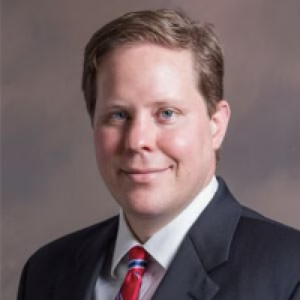
Dr. Neil Littell is the director of graduate project management programs at Ohio University, leading the master’s of science in project management. With over 20 years of experience in digital transformations and product development, he collaborates with both private companies and federal agencies to advance healthcare and technology initiatives.
He holds a PhD in leadership and workforce development and a master’s in science in technology from Mississippi State University. As a certified Project Management Professional (PMP), Dr. Littell emphasizes that healthcare project managers must optimize processes, mitigate risks, and manage organizational change to improve patient care. They often rely on data-driven decision-making and stakeholder communication, which is especially vital as healthcare technology continues to evolve, including innovations like transforming healthcare with cloud computing.
He notes that soft skills and emotional intelligence are integral to leading healthcare transformations, from designing facilities to evaluating medical procedures from the patient’s perspective. Aspiring healthcare project managers should focus not only on technical knowledge but also on developing leadership and communication skills.
Educational Pathways and Degree Options
The diverse nature of healthcare allows for various specialization options. Entry-level roles often require a bachelor’s degree in healthcare, business, or related fields. For those seeking advancement, graduate degrees such as a Master of Healthcare Administration (MHA), MBA with a healthcare focus, MPH, MSN, or Master of Health Information Systems can significantly enhance qualifications. These advanced qualifications often lead to higher salaries and leadership opportunities.
Applicants should be aware that admissions requirements vary but generally include transcripts, standardized test scores, personal statements, recommendation letters, and interviews. For example, programs like the Master’s in project management from Boston University emphasize practical collaboration and real-world experience, preparing students for leadership roles in healthcare settings.
Accreditation is a key factor in choosing a program. In healthcare management, the Commission on Accreditation of Healthcare Management Education (CAHME) accredits many graduate programs, assuring quality and recognition. Regional accreditation from agencies approved by the Council for Higher Education Accreditation (CHEA) further validates program credibility.
Degree Programs: On-Campus and Online Options
Although dedicated healthcare project management degrees are rare, many related programs provide the necessary foundation. For instance, Fremont College in California offers a bachelor of science in healthcare management, which includes courses like health records management and healthcare quality assurance. Similarly, Kent State University offers a Bachelor of Science in Public Health, with pathways to graduate studies or direct employment.
For working professionals, online programs provide flexibility. Colorado State University Global’s bachelor’s in healthcare administration covers essential project management skills, with options to specialize. Liberty University’s online MS in healthcare administration with a project management focus prepares students for leadership roles without disrupting their careers. Western Governors University’s competency-based model enables students to accelerate their education by demonstrating mastery of coursework at their own pace.
Interesting:
- Navigating the role of a healthcare lawyer education responsibilities and career outlook
- Exploring the role of a healthcare specialist career insights and opportunities
- The critical role of incident reporting in healthcare safety and quality
- Understanding the role and impact of special investigative units sius in healthcare audits
Graduate programs such as Harvard University’s short-term healthcare project management course and the University of Washington’s certificate program equip professionals with practical skills applicable directly to healthcare projects. These courses often focus on project planning, execution, and tools like Smartsheet, preparing students for certifications like those offered by PMI.
Duration and Steps to Enter the Field
The timeline to become a healthcare project manager varies based on educational background. A high school graduate typically requires four to five years to earn a bachelor’s degree, while those with an associate degree may qualify sooner. Pursuing a master’s degree adds an additional 1.5 to 2 years but can significantly bolster career prospects.
Professional certifications, such as the Certified Associate in Project Management (CAPM) or Project Management Professional (PMP), can be completed alongside work experience and demonstrate a commitment to the profession. These credentials are recognized worldwide and can enhance job opportunities, especially when combined with relevant experience.
A structured pathway involves earning a high school diploma or GED, obtaining a bachelor’s degree in healthcare or business, gaining practical experience, and pursuing certifications. Many professionals also choose to pursue a master’s degree to qualify for senior roles, which often include overseeing large projects and strategic initiatives.
Core Responsibilities and Certification
Healthcare project managers oversee initiatives such as staffing, facility upgrades, and research programs. Their responsibilities include problem-solving, tracking project progress, stakeholder communication, and compliance with laws and policies. Effective use of project management software and data analytics is crucial for success.
While certification is optional, obtaining credentials like the PMP can improve prospects. The PMI’s certifications validate expertise and dedication, making candidates more competitive for leadership roles.
Salary Expectations and Career Outlook
Entry-level healthcare project managers with a bachelor’s degree can expect starting salaries around $82,000 annually, with potential bonuses. Experienced managers or those with advanced degrees and certifications earn significantly more. According to the BLS, the average annual salary for medical and health services managers is approximately $134,440, with top earners reaching over $216,000.
Salaries vary based on education, experience, and location. For instance, metropolitan areas with high healthcare demand tend to offer higher wages.
Alternative Career Paths in Healthcare Management
Those interested in healthcare management but not necessarily in project management can pursue roles such as:
- Health Services Manager: Overseeing daily operations in hospitals and clinics. They handle budgets, staffing, and compliance. (Learn more at PAHCOM)
- Nursing Home Administrator: Managing long-term care facilities, ensuring safety and quality of care, often requiring state licensing.
- Clinical Research Coordinator: Managing clinical trials, ensuring regulatory compliance, and coordinating between researchers and participants.
Each of these roles offers a pathway into healthcare leadership, with varying educational and certification requirements.
For those aiming to excel in healthcare project management, continuous education, certifications, and staying abreast of technological innovations—such as transforming healthcare with cloud computing—are essential. The field offers a rewarding career dedicated to improving health outcomes and advancing healthcare systems worldwide.