


The protection and confidentiality of medical information remain fundamental pillars of trustworthy healthcare. As technological advancements and organizational complexities grow, so do the challenges faced by physicians in safeguarding patient data. This comprehensive analysis explores healthcare providers’ perceptions of medical confidentiality within Israeli hospitals, emphasizing practical obstacles, ethical considerations, and policy implications. By understanding physicians’ perspectives, stakeholders can better design systems that uphold patient trust while facilitating effective medical care.
Introduction
Maintaining strict confidentiality of personal health information is vital for fostering trust between patients and healthcare professionals. Patients expect that their sensitive data—ranging from medical histories to test results—will be accessible only to authorized personnel and shared solely with their consent. This expectation forms the cornerstone of the doctor-patient relationship, which is built on mutual trust and respect. When physicians share information without explicit approval or mishandle data, it can erode this trust and compromise patient dignity.
However, ensuring confidentiality in modern hospital settings presents numerous challenges. The proliferation of electronic health records (EHR), multiple healthcare teams involved in patient care, and the frequent movement of data across digital platforms complicate the safeguarding process. For a detailed understanding of how technology influences healthcare data privacy, see the evolution of AI in health. Protecting patient information also involves balancing the need for information sharing essential for quality care with the imperative to prevent breaches.
Background
Responsiveness of Care and Patient Dignity
Healthcare responsiveness encompasses the quality of interactions and the extent to which patient needs and preferences are respected. An integral component of responsiveness is preserving patient dignity, notably through confidentiality, respectful communication, and autonomy. According to the World Health Organization, dignity in healthcare involves treating patients with respect, maintaining their privacy, and ensuring they have control over their personal health information. As Matiti (2002) highlights, confidentiality is a core element that sustains this dignity.
Patient Perceptions of Confidentiality
Patients generally recognize the importance of confidentiality and advocate for policies that clarify how their data is shared. They emphasize the necessity of informed consent before any disclosure, especially to family members or third parties. A review by Moran et al. (2003) identified that patients are particularly concerned about sharing information with other physicians and family members without explicit approval. Moreover, they desire transparency regarding the circumstances under which confidentiality might be breached.
Physicians’ Perspectives on Confidentiality
Physicians regard confidentiality as both a legal and ethical obligation rooted in principles like those articulated in the Hippocratic Oath. Protecting patient data enables individuals to seek care without fear of exposure or discrimination. Nonetheless, breaches still occur, often due to infrastructural limitations or lapses during routine care. Studies indicate that hospital environments—especially busy public areas such as corridors and nursing stations—are prone to inadvertent disclosures. For example, discussing patient details aloud or leaving electronic records accessible can lead to breaches, as documented in reports on hospital data security.
Furthermore, some physicians believe that confidentiality is not absolute. Israeli law, for instance, permits certain disclosures when public safety or patient welfare is at risk. Divergences in physicians’ attitudes reflect ongoing debates over when breaching confidentiality is justified, especially in urgent situations where rapid information exchange can be life-saving.
Research Question
While much scholarship centers on patients’ views and legal frameworks, limited attention has been paid to physicians’ perceptions of confidentiality in hospital contexts. This study aims to fill that gap by examining physicians’ experiences, perceived obstacles, and decision-making processes related to data protection. The research hypothesizes that:
- Some physicians see confidentiality as an unbreakable rule, while others consider certain breaches acceptable under specific circumstances.
- Modern hospital infrastructure—such as open wards and electronic records—poses significant challenges to maintaining confidentiality.
- Structural limitations and resource constraints hinder physicians’ ability to fully safeguard patient data.
Method
Twenty in-depth interviews with physicians working in Israeli public hospitals were conducted using semi-structured formats. The interviews, mostly carried out via Zoom during 2020 due to COVID-19, explored perceptions of confidentiality, barriers encountered, and strategies employed. Participants were recruited through snowball sampling, ensuring a diverse representation regarding seniority and experience. Data analysis followed Braun and Clarke’s (2019) thematic approach, systematically coding transcripts to identify recurring themes and patterns.
Results
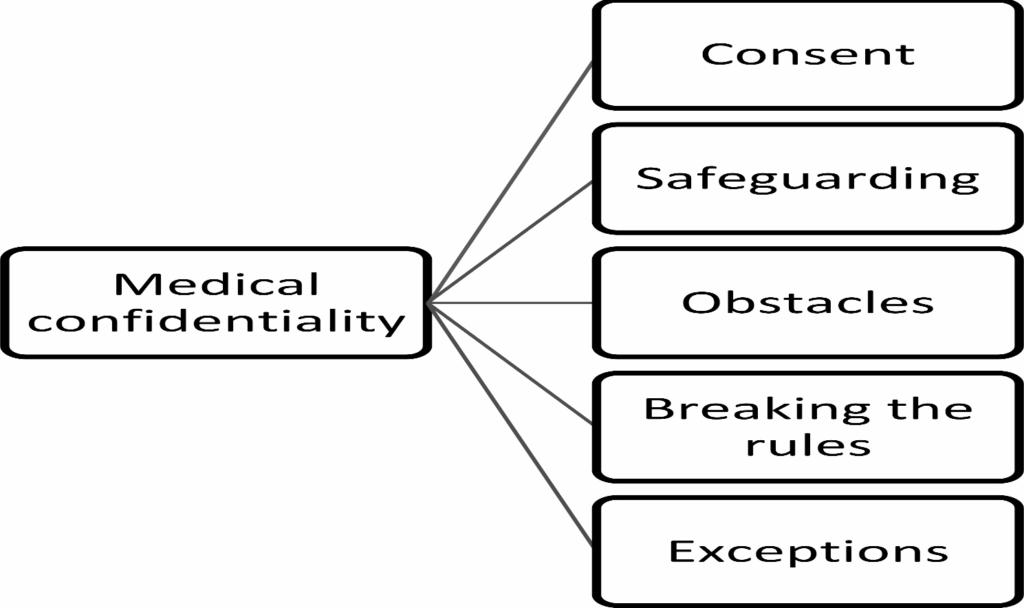
Physicians’ discussions centered around five key themes: consent, safeguarding, obstacles, rule-breaking, and exceptions.
Consent (to Disclose or Share Information)
Physicians emphasized that confidentiality entails protecting medical information from unauthorized access. Explicit patient consent before sharing data—especially with family members—is crucial to uphold trust and respect autonomy. For instance, one physician noted, “We ask the family to leave the room unless the patient agrees to share information.” The importance of obtaining clear consent aligns with legal standards and ethical practices, reinforcing the principle that patients should control their personal data.
Interesting:
- Understanding pacs the backbone of modern medical imaging and data management
- Navigating the role of healthcare project managers education careers and industry insights
- Unlocking the power of healthcare data analysis faqs and insights
- Unlocking the power of ocr in healthcare revolutionizing medical data management
Safeguarding Medical Data
Ensuring data security involves multiple measures, including restricting access through password protection, encrypting digital records, and minimizing verbal disclosures in public areas. Physicians often choose cautious language when documenting sensitive information, avoiding unnecessary details that could inadvertently expose patient identities. Hospitals have implemented protocols such as removing patient identifiers from signage and restricting record access, exemplified by the move to only display patient initials or first names during rounds. For example, one doctor explained, “All information is now protected through our hospital system, and sharing via WhatsApp is strictly forbidden.” Such practices aim to prevent breaches and maintain confidentiality despite infrastructural challenges.
Obstacles to Protecting Confidentiality
Hospital environments inherently pose risks to data privacy. Public areas such as corridors and shared rooms create opportunities for inadvertent disclosures, while time pressures and workload often lead to lapses. Physicians recounted instances where patient information was overheard or discussed openly, highlighting systemic vulnerabilities. For example, one interviewee shared, “Hallway conversations and multiple handovers make it difficult to keep information confidential.” Unintentional breaches also occur through casual conversations or over the phone, especially when staff lack ongoing training or awareness of privacy protocols.
Rule-Breaking (of Confidentiality)
Advances in technology, such as instant messaging apps, have facilitated rapid information sharing but also increased risks of unauthorized disclosures. Many physicians acknowledged using WhatsApp groups or sharing test results informally, despite knowing these actions violate hospital policies. Some justify this by emphasizing the need for swift decision-making, particularly in emergencies. Others share information with family members without explicit consent, often citing resource limitations or assumptions about family involvement. One physician commented, “Sharing with family is common here, even if it’s technically against the rules,” reflecting a pragmatic approach that sometimes conflicts with formal confidentiality standards.
Exceptions (to Sharing Information)
Physicians recognize that collaboration among healthcare teams is essential for optimal patient care. Sharing information across disciplines and with authorized personnel is often viewed as necessary, especially in complex cases. For example, a doctor described working with cardiology and surgical teams to coordinate treatment for a patient with a life-threatening condition, emphasizing that such sharing is justified and critical for patient safety.
Discussion
The findings support the hypotheses that physicians perceive confidentiality as a vital legal and ethical obligation, yet face practical barriers in hospital settings. Structural issues—such as open wards, electronic records, and high patient turnover—complicate efforts to maintain privacy, aligning with the observed challenges. The tension between safeguarding data and ensuring timely, effective care often leads to situations where confidentiality is inadvertently or deliberately breached.
Technological tools, while improving efficiency, introduce new vulnerabilities. The use of unsecured messaging platforms exemplifies the dilemma: the need for rapid communication versus the risk of data leaks. Such practices, although sometimes justified by clinical urgency, highlight the need for robust policies and secure communication channels, as discussed in the outlook on AI’s role in healthcare.
The ethical landscape also involves balancing patient privacy against public safety. Israeli law permits certain breaches when protecting the public or individual well-being, but physicians’ varying interpretations of these rules can lead to inconsistent practices. This underscores the importance of clear guidelines and ongoing education on medico-legal responsibilities.
Policy Recommendations
To address these issues, healthcare organizations should implement comprehensive strategies to promote confidentiality:
- Conduct regular audits and compliance checks.
- Provide continuous training on privacy policies and legal obligations.
- Establish anonymous reporting channels for breaches or concerns.
- Enforce penalties for violations to promote accountability.
- Invest in secure, encrypted communication systems tailored for clinical use.
Furthermore, technological advancements necessitate strict cybersecurity protocols, such as regular vulnerability assessments and the use of encrypted messaging platforms designed for healthcare professionals. These measures can help bridge the gap between policy and practice, ensuring confidentiality is not merely an ideal but a tangible standard.
Conclusion
Physicians recognize the importance of maintaining medical confidentiality but encounter significant obstacles within hospital environments. Ensuring data protection requires a nuanced approach that respects legal, ethical, and practical considerations. By establishing clear policies, enhancing staff training, and investing in secure technologies, healthcare systems can better uphold patient trust and dignity while delivering high-quality care.
References
- For further insights into how AI is transforming healthcare, see the history of AI in health.
- To explore how AI can contribute to solving medical challenges, visit future AI applications in healthcare.
- For strategies on improving patient care through technology, review AI’s role in enhancing medical outcomes.
- To understand how AI can elevate healthcare standards, see ways AI improves healthcare quality.