






Navigating the Complex Terrain of Healthcare Regulatory Compliance
 December 29, 2025
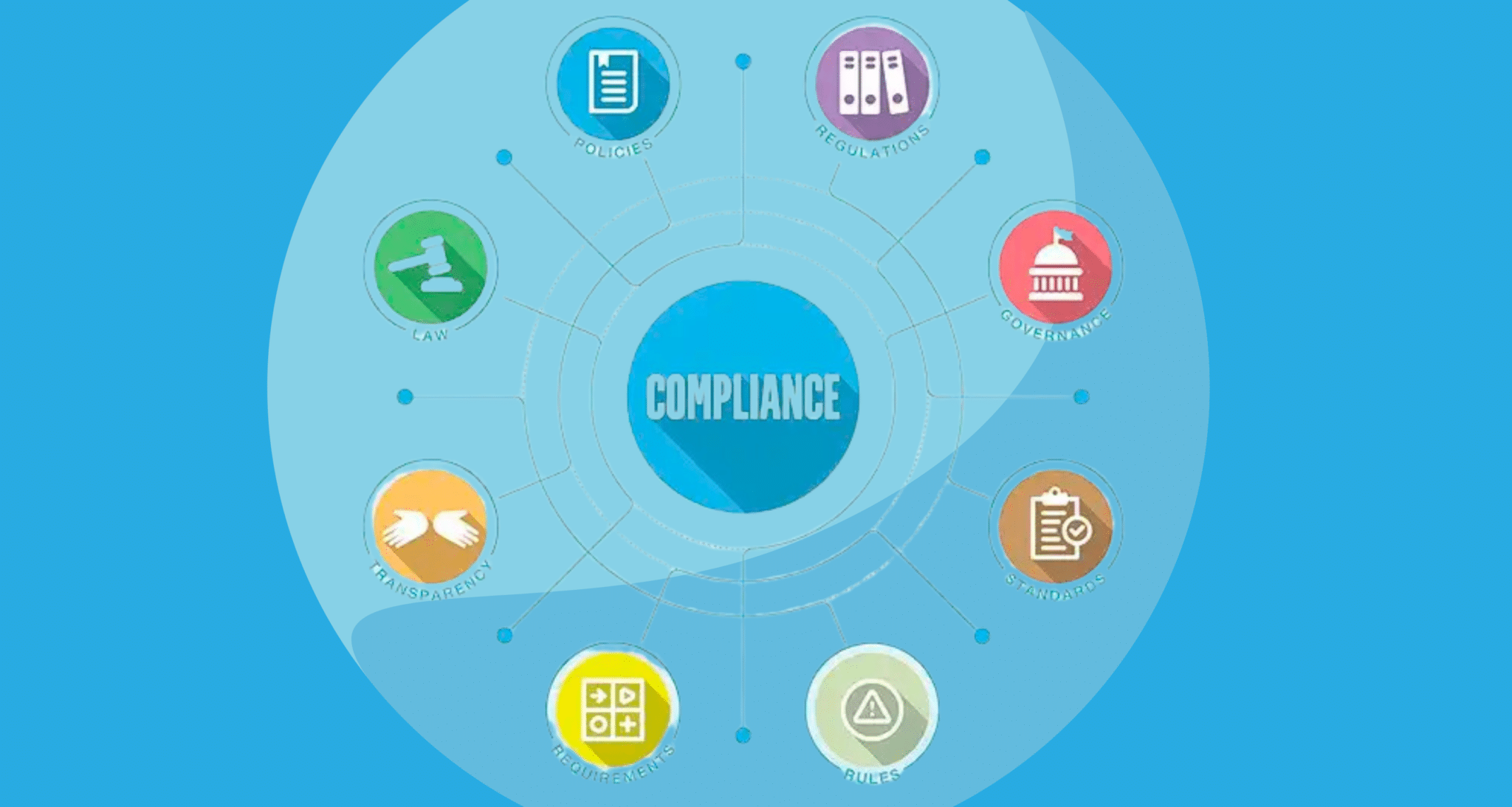
Ensuring compliance with healthcare regulations is vital for safeguarding patient safety, maintaining high-quality care, and preventing legal issues such as fraud and abuse. Healthcare providers and organizations operate within a highly regulated environment, with rules that govern everything from patient privacy to billing practices. Achieving and sustaining compliance is a complex, ongoing process that demands meticulous planning, vigilant monitoring, and proactive strategies. In this comprehensive guide, we explore the significance of regulatory adherence in healthcare and outline effective methods to manage it successfully.
Understanding Healthcare Regulations and Compliance
Healthcare regulations are established to uphold essential standards across the industry, ensuring that care delivery remains safe, ethical, and legally sound. These laws serve multiple purposes, including protecting patient rights, maintaining data security, and preventing financial fraud. They encompass a broad spectrum of operational areas, such as:
- Patient Privacy and Data Security (HIPAA)
- Electronic Health Records (EHR) Management
- Security Protocols (HITECH Act)
- Billing and Coding Accuracy (CMS Rules)
- Clinical Trial Oversight (FDA Guidelines)
Compliance with these requirements is fundamental for healthcare organizations to develop effective programs that address all facets of their operations. Failure to adhere can lead to serious penalties, damaged reputation, and compromised patient trust. For detailed insights on navigating this regulatory landscape, organizations should consult official resources like the U.S. Department of Health and Human Services.
Implementing Comprehensive Compliance Programs: Meeting Regulatory Requirements
A robust compliance framework is essential for aligning organizational practices with current laws and standards. This involves establishing policies that clearly delineate acceptable procedures, implementing detailed protocols, and providing ongoing staff training. Internal auditing processes are critical for identifying gaps and ensuring adherence to regulatory mandates. These programs must be tailored to the unique needs of each healthcare entity, considering factors such as size, scope of services, and technological infrastructure.
For example, a typical compliance initiative might include measures for safeguarding patient information, ensuring precise documentation and coding, and conducting regular reviews to prevent violations. Incorporating advanced technology solutions can further enhance these efforts, providing automation and real-time oversight. To better understand key considerations in developing such systems, review the 7 critical factors for healthcare app development.
Strategies for Achieving Regulatory Compliance in Healthcare Organizations
The dynamic nature of healthcare laws requires organizations to adopt proactive, strategic approaches. Several core strategies can help maintain compliance over the long term:
1. Establishing a Formal Compliance Program
Creating a dedicated compliance program involves designing policies and procedures that address all relevant legal requirements. Appointing a compliance officer to oversee implementation, providing continuous training for staff, and conducting periodic audits are vital components. These measures foster accountability and ensure that compliance remains a priority across all organizational levels.
Interesting:
- Navigating the critical role of healthcare regulatory compliance
- Navigating the complex journey of healthcare claim decisions
- Navigating the complex landscape of state and federal healthcare laws
- Navigating the complex landscape of healthcare business strategies in the u s
- Navigating the complex world of healthcare revenue cycle management
2. Staying Updated with Evolving Regulations
Healthcare regulations are frequently amended to reflect advances in technology and shifts in policy. Organizations must stay informed about these changes by monitoring official updates from regulatory agencies, attending industry conferences, and engaging with legal experts specializing in healthcare law. This vigilance helps prevent inadvertent violations and prepares organizations to adapt swiftly.
3. Conducting Regular Internal Audits
Routine audits are instrumental in detecting non-compliance early. These evaluations involve reviewing documentation, processes, and adherence to policies. Identifying potential issues proactively allows organizations to implement corrective actions before they escalate into serious violations, saving time and resources.
4. Fostering a Culture of Compliance
Building an organizational culture that prioritizes ethical behavior and legal adherence is crucial. This involves continuous education, open communication channels for reporting concerns, and recognition of staff who exemplify compliance. Leadership must model these values, demonstrating that compliance is integral to organizational success.
5. Leveraging Technology Solutions
Modern healthcare organizations increasingly rely on sophisticated software to streamline compliance processes. Electronic health record systems with embedded security features help protect sensitive patient data while enabling efficient access and sharing. Additionally, compliance management platforms can automate monitoring, track regulatory updates, and generate reports, reducing manual workload and minimizing errors. For more on innovative tech solutions shaping healthcare, explore how Servreality is bridging the gap with XR in modern medicine.
The Best Compliance Program for Healthcare: Leveraging Expert Support
Among available options, programs like Compliancy Group stand out due to their comprehensive approach. Their platform combines powerful software tools with personalized support and extensive resources, guiding healthcare providers through the complex compliance landscape. By simplifying tasks and promoting a culture of security, they help organizations stay compliant over the long term. Their methodology emphasizes ongoing education, making them a trusted partner in navigating regulatory requirements effectively.
Conclusion
Achieving and maintaining regulatory compliance in healthcare is an ongoing challenge that demands dedication, strategic planning, and technological innovation. By understanding the regulatory landscape, establishing effective programs, staying informed on legal updates, and fostering a compliance-oriented culture, healthcare organizations can ensure they meet their legal obligations while delivering high-quality patient care. Embracing advanced solutions and expert guidance can further streamline compliance efforts, enabling organizations to focus on their core mission—improving health outcomes for all.