


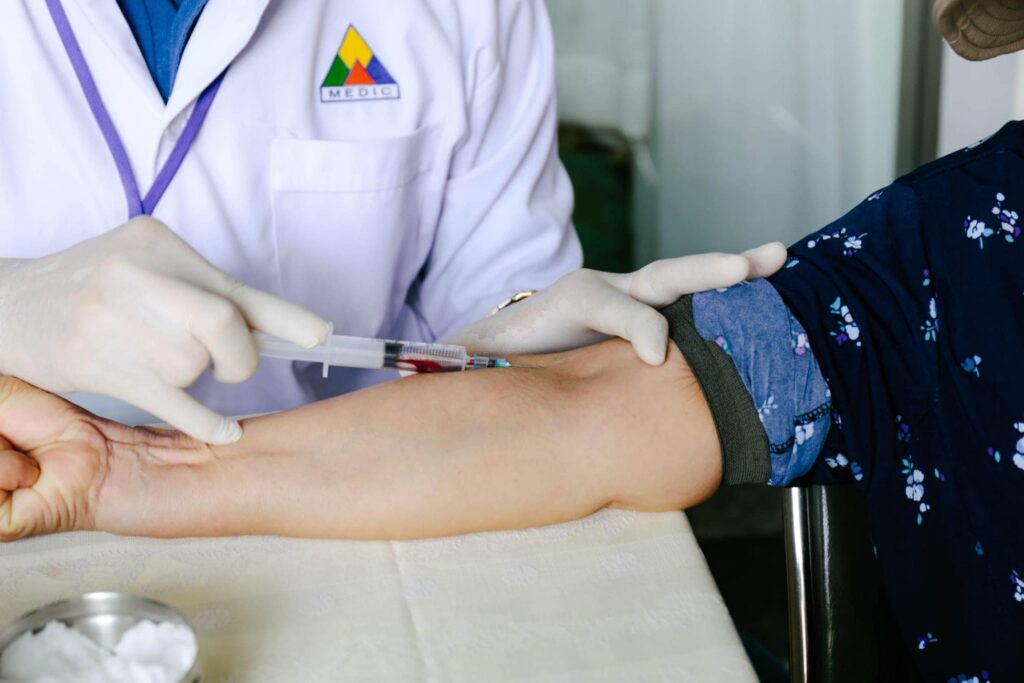
Thailand’s healthcare system is renowned for providing high-quality medical services at a fraction of the cost found in Western countries. Since establishing universal health coverage in 2002, the nation has made significant strides in ensuring that most of its citizens have access to essential medical care. This comprehensive overview explores how Thailand’s healthcare operates, the options available for residents and visitors, and the ongoing efforts to enhance health services across the country.
Thailand’s healthcare infrastructure combines robust public programs with a thriving private sector, making it an attractive destination not only for local patients but also for medical tourists seeking affordable and advanced treatment options. With over 60 hospitals certified by the Joint Commission International (JCI), Thailand boasts a medical tourism industry that attracts patients from around the world for procedures such as cancer therapy, fertility treatments, orthopedics, and dental care. Costs for common procedures like MRI scans or joint replacements are typically around 20% of what they would be in the United States or Europe, highlighting Thailand’s affordability and quality.
The country’s commitment to universal health coverage has led to remarkable improvements in life expectancy, infant mortality, and rural healthcare. Today, approximately 99.5% of residents are insured, a significant increase from just 75% in 2000. The Thai government’s efforts include low-cost coverage for migrant workers and extensive community health worker programs that support rural populations, contributing to overall health system strength.
Is Healthcare in Thailand Free?
Initially, Thailand’s universal healthcare scheme required a modest 30-baht copayment per visit, which earned it the nickname “the 30-baht scheme.” This small fee was eliminated in 2006, making many healthcare services accessible without out-of-pocket expenses. Healthcare funding primarily comes from taxation, with the government financing hospitals, paying staff salaries, and producing many pharmaceuticals domestically at lower costs. This system has successfully improved health outcomes and increased accessibility.
However, foreigners and expatriates who do not qualify for Thai government coverage must purchase private health insurance. While numerous plans are available at reasonable prices, they are not free. For visitors and residents without employer-sponsored coverage, private insurance ensures access to high-quality care, especially at private facilities where staff often speak multiple languages and interpreter services are available. For more detailed information on healthcare systems worldwide, review comprehensive healthcare analyses.
Private Care Versus Public Care in Thailand
Thailand offers both private and public healthcare options, with distinct differences in cost, convenience, and technology. To receive treatment, patients must present their passports at either facility. Private hospitals, especially in urban centers like Bangkok, control about 60% of available beds and are known for shorter wait times, modern equipment, and multilingual staff. These hospitals often cater to international patients and tourists, ensuring a more comfortable and efficient experience.
Public hospitals, on the other hand, serve the majority of the population and are generally more affordable but can be crowded and have longer wait times. Medical professionals in Thailand are well-trained, and many work across both private and public sectors, which means patients might see several doctors during their treatment. While private care tends to be more expensive, it often provides access to the latest technology and specialized procedures. Mental health services also differ significantly, with private psychiatric hospitals costing more than public mental health clinics, which are often overcrowded.
How to Access Healthcare in Thailand
When seeking medical assistance, travelers and residents must choose between public and private hospitals. Prior to visiting, it’s advisable to verify whether your insurance plan is accepted at a particular private hospital—most hospitals have websites listing their accepted plans. Comparing prices online can also help in planning and scheduling treatments in advance, such as coronary care packages at renowned facilities like Bumrungrad International Hospital.
Public hospitals are a budget-friendly option, but they often involve longer waits and language barriers, as Thai is the primary language. Bringing a Thai-speaking companion can facilitate communication. In contrast, private hospitals generally offer prompt service, English-speaking staff, and modern amenities. Regardless of the setting, physicians are trained in contemporary medical practices, though private hospitals tend to have more advanced technology. Procedures such as first-trimester abortion have been legalized, but some doctors remain hesitant to perform them, highlighting ongoing cultural and regulatory nuances.
Interesting:
- Navigating indonesias healthcare landscape a comprehensive guide for expats and foreign visitors
- Navigating healthcare and insurance in switzerland a comprehensive guide
- Navigating japans healthcare system a comprehensive guide
- Navigating healthcare in brazil a comprehensive guide for expats and residents
- Unlocking leadership in healthcare a comprehensive guide to the mha degree
Pharmaceuticals and Medications
Thailand’s pharmaceutical sector is well-developed, overseen by the Government Pharmaceutical Organization, producing many drugs domestically at lower costs. For example, in 2019, the generic version of Lipitor (Atorvastatin) was available for just 29 cents. Prescription medications are obtained after consulting a doctor, then purchasing at a pharmacy. Prices at non-hospital pharmacies can be even more affordable. Medical marijuana was legalized in 2018, although recreational use remains prohibited.
Carrying Your Passport and Funds
Always carry your passport when seeking medical care, as it is required for identification. If you lack insurance, payment is often expected upfront. Healthcare costs vary depending on whether you visit a public or private facility and whether you are in an urban or rural location. For international travelers, plans like William Russell health insurance provide extensive coverage worldwide, including Thailand.
Emergency Medical Services in Thailand
In case of emergencies, dial 1669 for free assistance. Emergency responders can connect you with Tourist Police if language barriers occur. The response team may include volunteers or professional paramedics, categorized into levels such as first responders (FR), basic life support (BLS), and advanced life support (ALS). Most volunteers receive limited training, but Thailand’s emergency services are capable of providing essential care in critical situations.
Healthcare for Expats and Foreigners
Expats working in Thailand with formal employment may have access to the country’s social security health insurance, funded through payroll contributions. This coverage does not extend to dependents, who must obtain private insurance separately. Visitors and short-term travelers should secure travel medical insurance to avoid unexpected expenses, ensuring access to private facilities with modern equipment and English-speaking staff.
For long-term residents, international health insurance plans like William Russell and GeoBlue Xplorer offer comprehensive coverage, including protection for pre-existing conditions and worldwide hospital networks. These plans are especially valuable as Thailand continues to improve its rural healthcare services and infrastructure.

The Future of Healthcare in Thailand
Despite current successes, Thailand must address future challenges such as rising healthcare costs and an aging population. Major cities like Bangkok host world-class hospitals and research centers, but rural areas still lag behind. The government’s initiatives to recruit medical students from rural communities and incentivize rural service are steps toward achieving more equitable health access across the country.
As Thailand’s healthcare system evolves, embracing inclusive strategies will be essential to ensure all citizens and residents receive the quality care they deserve. For organizations and policymakers working towards this goal, understanding global trends—such as those seen in Brazil’s healthcare system—can provide valuable lessons in building resilient, inclusive health services.
Author: Sara Kettler is a seasoned content editor specializing in international health insurance. Her global experience spans England, Australia, France, and Japan, where she has gained a deep understanding of diverse healthcare systems.