






Navigating Mexico’s Healthcare System: A Complete Guide for Expats and Visitors
 December 24, 2025
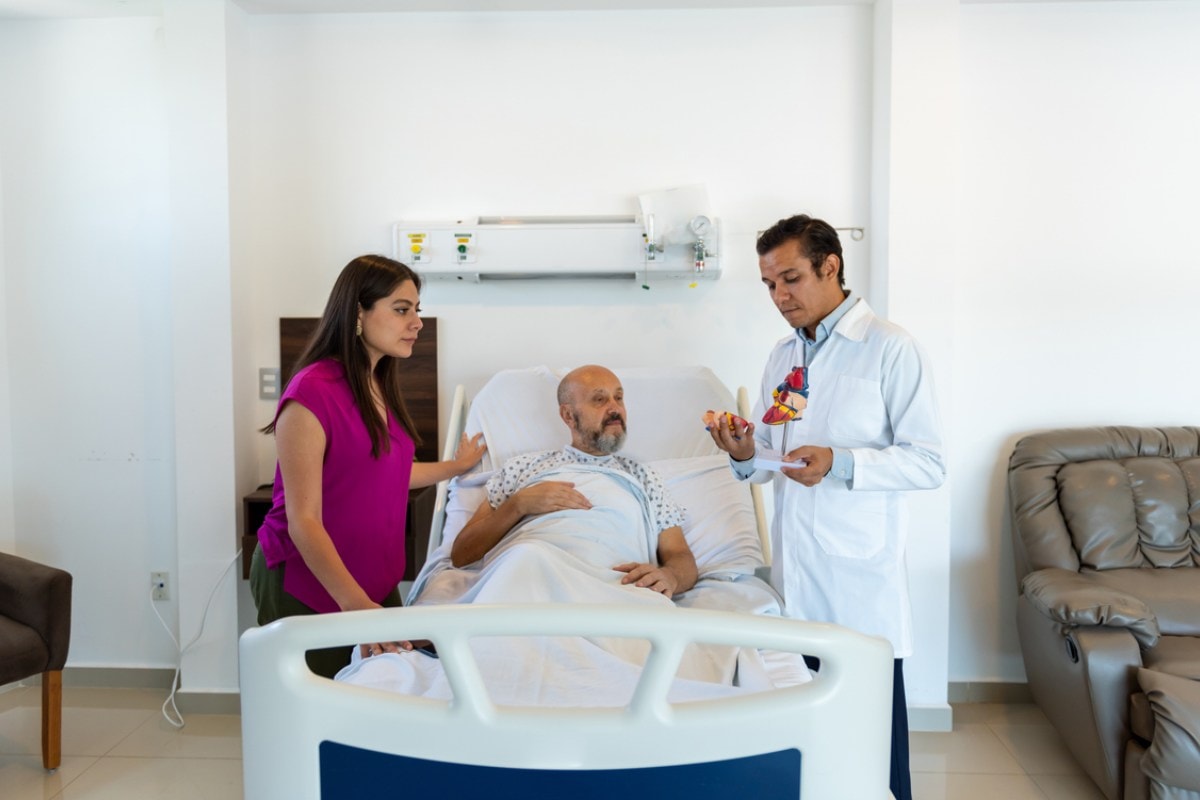
Accessing quality healthcare is a crucial consideration whether you’re planning a short visit or a long-term stay in Mexico. With a diverse mix of public and private providers, understanding how the system functions, what options are available, and the costs involved can help you make informed decisions to safeguard your health. From the structure of public programs to private clinic services, this guide provides comprehensive insights to help you navigate Mexico’s healthcare landscape confidently.
An Overview of Healthcare in Mexico
Mexico’s healthcare system offers a blend of public and private services, with quality standards varying across regions. Major cities and tourist hotspots boast modern hospitals equipped with cutting-edge technology, attracting medical tourists from around the world. Due to its affordability—private treatments can cost between 50–70% less than in the United States—Mexico has become the second most popular destination globally for medical tourism. This affordability benefits travelers seeking elective procedures and expatriates managing routine health needs alike.
Public healthcare is constitutionally guaranteed as a right; however, access and standards can differ significantly depending on your location. Rural and underserved areas might only provide basic services, or residents may depend on traditional medicine or family support because of limited availability or high costs. Consequently, Mexico ranks 50th out of 110 countries in CEOWorld’s 2024 Health Care Index, reflecting disparities in coverage and quality across the country.
Does Mexico Have Universal Healthcare?
The country aims to deliver free or low-cost healthcare and medications to its citizens via programs like the Mexican Social Security Institute (IMSS) and the Institute of Health for Welfare (INSABI). IMSS primarily covers employed workers, including citizens and some legal residents, with enrollment typically managed by employers. Contributions are deducted directly from salaries, making coverage quite affordable—around USD 400 annually—and providing access to a broad spectrum of public health services.
Many services, such as surgeries and medications from IMSS pharmacies, are either free or heavily subsidized. However, some healthcare costs—dental, optical, or certain medications outside IMSS pharmacies—may require out-of-pocket payments. For a detailed understanding, visit the official health portal.
Beyond IMSS, Mexico offers free public healthcare for vulnerable populations through programs formerly known as INSABI. These initiatives support those who are unemployed, homeless, or ineligible for IMSS coverage. Nonetheless, coverage gaps exist for chronic illnesses, major surgeries, cancer treatments, and long-term care. Several states, like Jalisco, operate their own healthcare programs, leading to regional differences in service quality and access. As a result, many residents and expats turn to private healthcare for faster, more reliable care—details about private options are discussed further below.
How is Public Healthcare Funded in Mexico?
Funding for Mexico’s public healthcare system comes from multiple sources, including federal and state governments, alongside contributions from employees and employers to IMSS. While these combined funds sustain public health services, Mexico’s per capita healthcare expenditure remains modest—less than 6% of GDP—compared to other OECD nations. This limited investment contributes to the variability in service quality and availability across different regions.
The Pros and Cons of Mexico’s Public Healthcare System
Mexico’s public healthcare system, primarily managed through IMSS, offers distinct advantages and disadvantages:
The Pros
- Affordable Care: Public services are accessible at little to no cost for IMSS members and Mexican citizens, covering urgent care and many medications.
- Highly Skilled Practitioners: Many Mexican doctors receive excellent training domestically and often pursue further specialization internationally. Many work in both IMSS and private practices, ensuring a high standard of medical expertise.
- Personalized and Holistic Approach: Healthcare providers frequently adopt comprehensive care strategies. Patients have legal rights to access their medical records, and some doctors still make house calls—traditions that enhance patient trust.
- Extensive Network: IMSS maintains a broad network of clinics and hospitals nationwide, ensuring coverage even in semi-urban or less populated areas.
- Preventive Services: Public programs include vaccinations, health screenings, and educational initiatives aimed at improving overall community health.
The Cons
- Restricted Provider Choice: Patients are generally assigned to specific clinics and physicians based on residence, limiting flexibility and sometimes resulting in long wait times for specialist services.
- Overcrowded Facilities: Many public clinics and hospitals face staffing shortages and high patient volumes, which can compromise the quality and timeliness of care.
- Limited Coverage for Pre-Existing Conditions: IMSS often excludes coverage for chronic illnesses such as diabetes, cancer, or addictions, which can be problematic for immigrants or long-term residents.
- Bureaucratic Hurdles: Navigating the enrollment and administrative processes can be complex and time-consuming, particularly for foreigners unfamiliar with the system.
- Regional Disparities: Healthcare quality declines in rural or underserved regions, and language barriers may pose challenges for non-Spanish speakers.
Can Foreigners Access Public Healthcare in Mexico?
While Mexico’s private clinics provide quick and accessible medical services for tourists and short-term visitors, public healthcare access is generally limited to residents with legal immigration status. Emergency treatment in public hospitals is available to all, but routine or ongoing care typically requires registration with the IMSS or other public programs.
Healthcare for Foreigners in Mexico
Tourists and short-term visitors should carry comprehensive travel medical insurance with emergency coverage, as public health services are not available for non-residents unless in an emergency. Payment is usually required upfront, with reimbursement processed later through insurance.
Expats with legal residency have two main options: private insurance or enrollment in the public system via IMSS. Many prefer private healthcare due to broader coverage, shorter wait times, and greater service flexibility. For more on this, see how the Canadian healthcare system functions.
The IMSS and Expats Living in Mexico
Legal residents—whether on temporary or permanent visas—may qualify for IMSS coverage, even if unemployed. However, pre-existing conditions are often not covered, and services like dental and optical care are excluded. Enrollment involves paying monthly or annual fees, which vary depending on age and coverage level. For example, a retired couple in their 60s might pay approximately USD 2,000 annually for IMSS, plus additional out-of-pocket costs for services outside the scope of public coverage.
If you’re not formally employed, voluntary enrollment is possible, but navigating the process can be challenging without Spanish proficiency. Once registered, you’ll receive an IMSS card, and coverage begins on the first day of the subsequent month.
How to Access Public Healthcare as an Expat or Visitor in Mexico
Residency with legal status—such as a temporary or permanent resident visa—is required to register with IMSS. The process involves obtaining a unique registry number called CURP, needed for enrollment. Your employer generally assists with registration if employed; otherwise, you must do it yourself at a local IMSS office or online.
To register, prepare documentation including your passport, visa or residency card, and proof of address (such as utility bills or rental agreements). The process typically takes about 30 minutes if all paperwork is in order. After registration, you will receive an IMSS card, and your coverage starts from the next month.
How to Access Emergency Treatment as a Foreigner in Mexico
Emergency rooms in Mexico treat anyone requiring urgent care, regardless of immigration status. Many large cities also have 24-hour clinics capable of stabilizing patients before transferring them to hospitals. Payment is generally required at the point of service, so travelers should carry sufficient funds.
Urban hospitals often feature multilingual staff, whereas rural facilities mainly operate in Spanish—using translation apps can facilitate communication. Since many providers do not have direct billing arrangements with international insurers, patients may need to pay upfront and seek reimbursement later. Read more about hospital options in Mexico’s healthcare facilities.
Pharmacies in Mexico
Mexican pharmacies are classified as Segunda Clase (second class) and Primera Clase (first class). Segunda Clase pharmacies sell common medications like antibiotics and allergy medicines but cannot dispense controlled substances. Primera Clase pharmacies, often located near hospitals, provide a full range of prescription drugs, including controlled medications. Always choose reputable pharmacies—especially primera clase—to avoid counterfeit products that may contain dangerous substances.
Private Healthcare in Mexico
Private healthcare is favored by many expatriates for its high quality, shorter wait times, and personalized service. Since reforms in 2020, private providers have become increasingly popular among locals seeking more dependable and versatile options. Mexico’s reputation as a medical tourism hub has grown, with many international patients traveling for affordable dental work, elective surgeries, and specialty treatments.
Private hospitals and clinics often employ multilingual staff and offer services tailored to foreigners. For comprehensive coverage, many expats opt for international or global medical plans that cover both local and international care. Details on insurance options are available in this guide on healthcare systems.
Interesting:
- Navigating indonesias healthcare landscape a comprehensive guide for expats and foreign visitors
- Navigating healthcare in greece essential guide for expats and visitors
- Navigating healthcare in brazil a comprehensive guide for expats and residents
- Navigating healthcare in thailand an essential guide for expats and visitors
- Understanding healthcare referrals a complete guide for patients and providers
How Accessible and Popular is Private Healthcare?
Private clinics are generally easy to access, especially in urban centers. Many facilities guarantee English-speaking staff and modern amenities, making them attractive for expats and tourists. Nevertheless, in remote rural regions, access can be limited, and safety concerns such as cartel activity may impact healthcare availability.
Funding for private healthcare primarily comes from patient payments, with additional contributions from private insurers. Facilities must adhere to regulations set by COFEPRIS, Mexico’s health authorities, and many top-tier hospitals hold international accreditation, ensuring high standards.
How to Access Private Healthcare in Mexico as an Expat or Visitor
Most private care options are walk-in or appointment-based. You can find clinics online or in local neighborhoods; upscale centers often provide specialist services and offer memberships for prioritized care. Telehealth services are increasingly common—many doctors now use platforms like WhatsApp or dedicated apps such as Doctoralia to connect with patients remotely.
Particularly for retirees, some clinics offer elder care memberships, with annual fees ranging from free to over USD 1,000, including care coordination services. Your primary doctor can refer you to specialists or you can book directly. Be aware that clinics accepting international insurance may have higher fees due to complex reimbursement procedures.
How Much Does Healthcare Cost in Mexico?
Doctor visits generally start at about USD 25, with diagnostic tests costing significantly less than in the U.S. but increasing with procedure complexity. Emergency services and specialist consultations tend to be more expensive but remain affordable compared to North American standards.
For emergencies, ambulance fees can range from USD 350 to USD 980 within cities, with longer-distance trips costing up to USD 5,000. It’s advisable to have comprehensive insurance that covers such incidents to avoid unexpected expenses.
Typical Private Healthcare Expenses
| Service | Cost Range (USD) |
| — | — |
| Pharmacy or clinic visit | $5–$30 + medications |
| Urgent care | $25–$150 |
| Primary care | $40–$150 |
| Specialist consultation | $40–$200 |
| Emergency room | $50–$500 |
| Dental checkup/cleaning | $35–$60 |
| Optical exam | $18–$90 |
| Ambulance | $350–$980 (city); up to $5,000 long-distance |
Travelers should carry sufficient funds or insurance for emergencies, as many providers require upfront payment.
Health Coverage Options for Expats and Visitors in Mexico
Your ideal coverage depends on your length of stay. Short-term travelers generally rely on travel insurance with emergency benefits, while longer-term expatriates or snowbirds often prefer comprehensive global plans that include Mexico and other countries. Always ensure your policy explicitly covers care in Mexico to prevent high out-of-pocket costs.
Does North American Health Insurance Cover Medical Services in Mexico?
Most U.S. and Canadian insurance plans do not reimburse treatment outside their home country, though some may cover emergency care. U.S. Medicare, for instance, generally does not cover services received abroad, including in Mexico. For detailed guidance, see insurance coverage for international travel.
Finding the Right Healthcare for Your Life in Mexico
Mexico offers a wide spectrum of healthcare options, from basic clinics to state-of-the-art private hospitals. While public health services are accessible to residents, the quality and scope can vary, especially outside urban centers. Many foreigners prefer private providers for faster, more personalized care, often supplemented by international health plans to ensure comprehensive coverage.
Being prepared and understanding local healthcare options will help you stay healthy and confident during your time in Mexico, whether for a brief visit or a permanent settlement.

Find the Best International Medical Insurance
- Compare quotes and coverage options
- Collaborate with an insurance expert at no cost
- Select a plan tailored to your needs and budget
Prioritize your health by securing appropriate coverage before any elective procedures or emergencies arise, ensuring peace of mind throughout your stay.
Frequently Asked Questions
Is healthcare in Mexico affordable?
Public healthcare services are accessible at low or no cost for Mexican citizens, and private care remains affordable compared to U.S. standards. However, high-end private hospitals and specialized treatments can be costly, especially without insurance, and emergency services such as ambulance rides may incur significant fees.
Is healthcare quality in Mexico reliable?
The quality of care varies widely across providers. Many hospitals and clinics meet international standards and are accredited by organizations like Joint Commission International. Always verify provider credentials and seek recommendations to ensure high-quality treatment.
Can I use U.S. or Canadian health insurance in Mexico?
Most plans do not offer direct reimbursement for treatment outside their country of origin, except possibly for emergencies. It’s advisable to have international health coverage to avoid high out-of-pocket costs, as U.S. Medicaid generally does not cover care abroad.
What if I don’t have health insurance in Mexico?
Without coverage, you must pay for medical services directly, often upfront. For peace of mind, securing a comprehensive international medical plan tailored to Mexico is highly recommended to protect against unexpected expenses.