






Navigating Japan’s Healthcare System: A Comprehensive Guide
 December 24, 2025
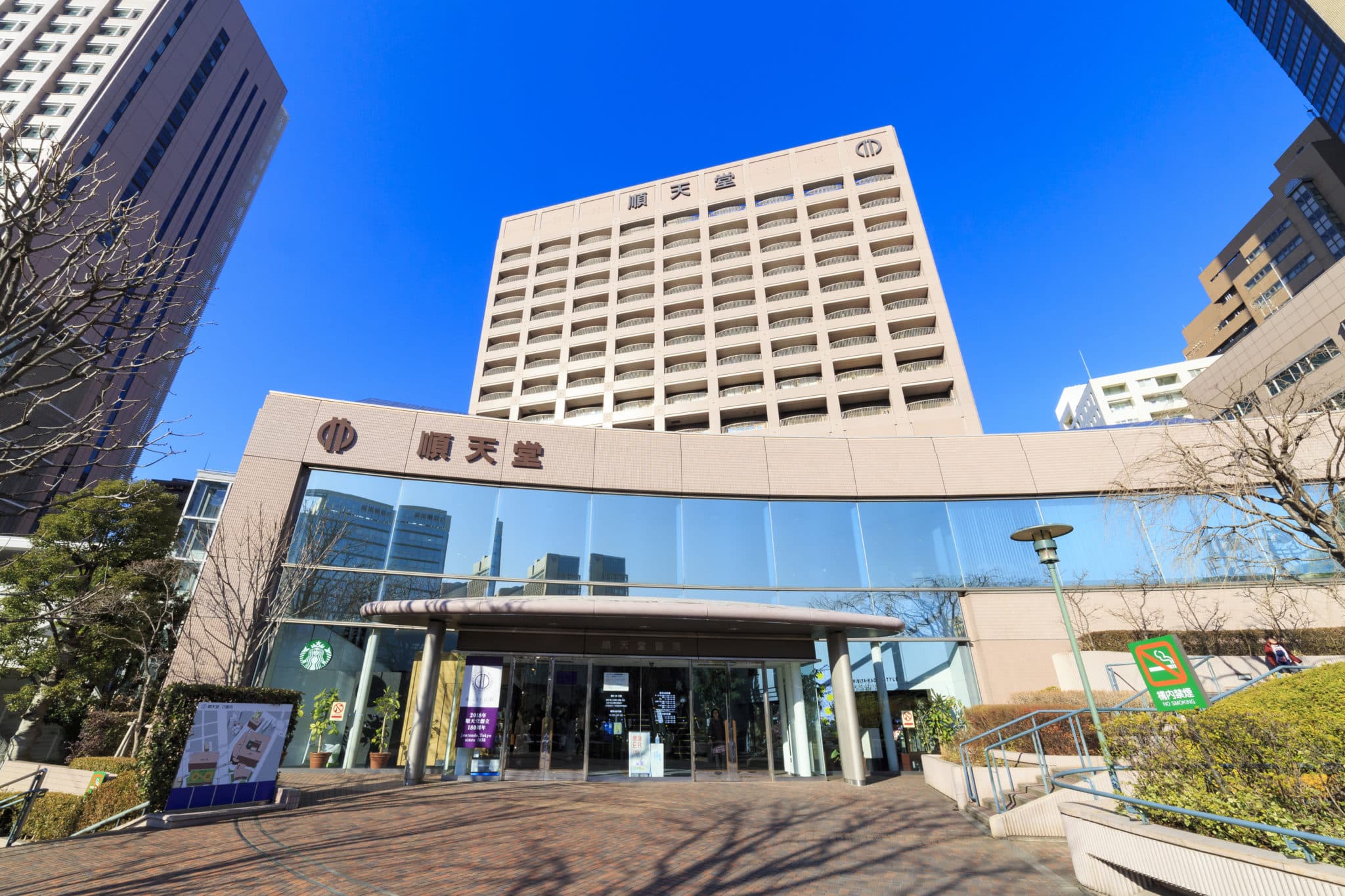
Japan’s healthcare system is renowned worldwide for its high quality, long life expectancy, and innovative approaches to medical care. For residents, expatriates, and travelers alike, understanding how the system functions is essential to ensuring access to necessary services and making informed decisions about health coverage. With a focus on preventive care and affordability, Japan’s healthcare infrastructure combines public and private elements to serve its diverse population. This guide explores the intricacies of the Japanese healthcare model, eligibility criteria, insurance options, and current challenges, providing a thorough overview for anyone engaging with Japan’s medical landscape.
An Overview of Healthcare in Japan
Japan’s healthcare system consistently ranks among the top globally, holding the 13th position in the CEOWORLD 2024 Health Care Index. It is distinguished by its ability to deliver high-quality, accessible medical services at reasonable costs. Central to its success is a strong emphasis on preventive medicine, including regular health screenings, vaccination programs, and early disease detection initiatives. These efforts contribute significantly to Japan’s impressive average life expectancy—approximately 81 years for men and 87 years for women—placing the country at the forefront of longevity worldwide.
Does Japan Have Free Healthcare?
While many countries offer free healthcare, Japan operates a universal health coverage system that subsidizes medical expenses rather than eliminating costs altogether. All residents, including tourists and long-term foreigners, are entitled to access the public healthcare system, which covers approximately 70% of medical costs after monthly premiums are paid. The remaining 30% is typically paid out-of-pocket, although private insurance plans are widely purchased to reduce individual expenses. Healthcare prices are regulated by government authorities to keep costs manageable for the population.
Enrolling in Japan’s public healthcare system can involve a lengthy process for newcomers, often prompting many to secure private international health insurance during the waiting period. These plans frequently include translation services, which are invaluable given that many healthcare providers lack English-speaking staff. Combining public and private coverage ensures comprehensive access to medical services while accommodating language barriers and administrative hurdles.
For more details about health coverage options, see Health Insurance for Foreigners in Japan.
The Pros and Cons of Japan’s Healthcare System
Japan’s healthcare system is lauded for its excellence, yet it faces ongoing challenges that affect its efficiency and comprehensiveness. On the positive side, the system’s structure prevents profit-driven motives from dominating hospital operations. Instead, hospitals and clinics are primarily run by physicians who oversee administrative decisions, focusing on patient care and elective procedures. Preventative health measures, such as vaccination campaigns and prenatal care, are deeply embedded in the system, contributing to overall public health.
Regular review processes, including biannual adjustments of medical fees by government committees, help contain costs and prevent fraud. These measures ensure that healthcare remains affordable and that physicians are less incentivized to over-prescribe or recommend unnecessary tests.
However, the system is not without flaws. Licensing renewals for healthcare professionals are not mandatory, raising concerns about ongoing competency and familiarity with emerging medical practices. Additionally, the absence of a widespread primary care network means many patients bypass general practitioners and seek specialists directly, often leading to overcrowded emergency rooms and longer wait times. Cases have even been reported where delays in emergency treatment resulted in fatalities.
Mental health services are another area of concern, as stigma persists and treatment practices such as isolation or restraints, once common elsewhere, are still employed in some facilities. The system’s capacity to adequately address mental health needs remains limited, highlighting a significant gap.
The Challenges Facing Japan’s Healthcare System
As Japan’s population ages rapidly—projected to have 40% of its citizens over 65 by 2050—the healthcare system faces mounting pressure. The increasing demand for elderly care services strains existing infrastructure and resources. Furthermore, healthcare worker distribution is uneven; many physicians prefer practicing in rural areas due to better quality of life and less stressful environments, which exacerbates urban hospital overcrowding.
Language barriers also pose a significant obstacle for foreigners and non-Japanese speakers. Despite the country’s advanced healthcare, English-speaking providers are limited in many regions. Patients are advised to consider hiring interpreters or selecting insurance plans that include translation services, ensuring smoother communication with medical professionals.
Explore options for reliable coverage through revolutionizing healthcare through data analytics transformative applications and future trends.
Is Healthcare in Japan Truly Universal?
Yes, Japan’s healthcare system is built on the principle of universal coverage. Its origins date back to 1927 with the introduction of employee health plans, evolving into a comprehensive national system by 1961. The system operates through two main programs: Social Health Insurance (SHI) and National Health Insurance (NHI).
Interesting:
- Navigating healthcare and insurance in switzerland a comprehensive guide
- Navigating healthcare in brazil a comprehensive guide for expats and residents
- Navigating indonesias healthcare landscape a comprehensive guide for expats and foreign visitors
- Navigating mexicos healthcare system a complete guide for expats and visitors
- Navigating thailands healthcare landscape a comprehensive guide
SHI is mandatory for full-time employees at medium and large companies, with about 5% of wages deducted to fund the plan. Employers contribute an equal amount, making coverage affordable and accessible. Those who do not qualify for SHI—such as self-employed individuals, small business owners, or unemployed persons—are enrolled in NHI, which is income-based.
Details about Japan’s universal healthcare are available at evaluating the benefits and drawbacks of centralized healthcare systems.
How is Healthcare Delivered in Japan?
Japan’s healthcare governance is decentralized, with each of the country’s 47 prefectures responsible for implementing policies and managing budgets suited to local needs. This regional autonomy allows for tailored healthcare delivery, including specialized programs for long-term and nursing care, which are increasingly vital given Japan’s aging demographic.
Individuals over 40 contribute an additional 2% of their income toward long-term care insurance, supporting services such as nursing homes and home-based assistance. As the elderly population grows, these programs are expected to expand, ensuring that care remains available and sustainable.
What Services Are Covered?
The government typically covers around 70% of medical expenses, with patients responsible for the remaining costs, which are capped based on income and family size—never exceeding 30%. Covered services include dental care, optical services, physical therapy, prescription medications, and psychiatric support. While general counseling may not be fully covered, licensed therapy centers can provide alternative mental health treatments.
How to Access Healthcare in Japan
Once enrolled in the appropriate insurance plan, accessing medical services is straightforward. Employers usually handle much of the administrative paperwork for SHI enrollees, while NHI participants must visit local offices to register and receive their insurance cards.
After registration, residents can visit any authorized healthcare provider using their insurance card. Most doctors are specialists rather than general practitioners, so patients often go directly to the relevant specialist for their condition. Typical consultation costs range from $33 to $66 USD at clinics and $66 to $100 USD at hospitals with insurance coverage; without insurance, fees can escalate to $132–$330 USD.
Given the language barrier, many foreigners opt for insurance plans that include translation services, facilitating communication during medical visits.
Healthcare for Expats and Visitors
Foreign residents staying over three months should register with the NHI, while those employed full-time by large companies are usually covered under SHI. However, delays in processing paperwork can leave newcomers temporarily uninsured, making private international health insurance a prudent choice during this transition.
Tourists and short-term visitors are not covered under Japan’s public healthcare system. Travelers are advised to purchase travel insurance that covers medical expenses, ensuring protection during their stay. For more comprehensive planning, see unlocking the rewards of a career in healthcare.
Insurance Options for Expats in Japan
Most expatriates opt to supplement the public system with private insurance. Notable plans include the Xplorer Worldwide Medical Plan, which provides unlimited coverage and is suitable for U.S. citizens abroad, and the Cigna Global Insurance Plan, offering flexible options with extensive provider networks worldwide.
Key Resources for Navigating Japan’s Healthcare
- World Health Organization – Japan Health Profile: Offers comprehensive health data, including statistics on life expectancy, disease prevalence, and health system performance.
- Japan’s Ministry of Health, Labour and Welfare: The official portal with details on policies, insurance programs, and long-term care initiatives.
- WHO Japan Health System Review: An in-depth analysis of the structure, financing, and delivery of healthcare in Japan.
Embracing Long Life and Wellness in Japan
Understanding the nuances of Japan’s healthcare system is vital for residents and visitors seeking to enjoy the country’s high standard of health and longevity. Preparing ahead by exploring insurance options, familiarizing oneself with access procedures, and addressing language barriers ensures a smoother experience and peace of mind. Embracing these strategies allows individuals to fully appreciate Japan’s rich culture and natural beauty while maintaining optimal health and well-being.