






Navigating Healthcare in the Philippines: A Comprehensive Overview
 December 23, 2025
Access to quality healthcare is a vital concern for residents and visitors alike in the Philippines. With its diverse geography and evolving medical infrastructure, understanding how to navigate the country’s healthcare system can make a significant difference in ensuring timely and effective treatment. This guide provides an in-depth look at the Philippine health landscape, from public and private care options to insurance coverage, and offers practical advice for expats and tourists planning their healthcare journey.
An Overview of the Philippine Healthcare System
The Philippines boasts a network of accredited hospitals and highly trained medical professionals, making healthcare services in urban centers comparable to, or even surpassing, those in many Western countries. Major cities like Manila, Cebu, and Davao feature modern facilities equipped with advanced technology and staffed by English-speaking healthcare providers, ensuring a high standard of patient care.
However, the country’s archipelagic nature—comprising more than 7,500 islands and over 20,000 miles of coastline—presents logistical challenges. Remote areas often lack the latest medical equipment or sufficient staffing, which can impact the quality and availability of health services. While regional disparities exist, the government and private sectors are working toward continuous improvements in healthcare delivery across all regions. For more insights into healthcare safety protocols, consider exploring the critical role of risk management in healthcare.
The Philippine government is committed to expanding healthcare access through reforms and initiatives, notably the Philippine Health Insurance Corporation, or PhilHealth. This national insurance program aims to achieve universal coverage, allowing both locals and expatriates legally residing in the country to access a broad spectrum of health services at affordable premiums. With a combination of public and private healthcare options, residents and visitors can find solutions tailored to their needs.
PhilHealth and Healthcare in the Philippines
Established in 1995, PhilHealth’s primary goal has been to make healthcare affordable and accessible for all Filipinos. The landmark Universal Health Care (UHC) Law, enacted in 2019, marked a significant milestone by institutionalizing universal coverage and expanding the scope of services covered. Today, PhilHealth covers preventive, curative, and rehabilitative care, including outpatient consultations, diagnostic tests, and hospitalizations.
Approximately 90% of the Filipino population are registered members of PhilHealth. Funding sources include contributions from employed individuals and their employers, as well as “sin taxes” levied on alcohol and tobacco—initiated in 2012—whose revenues are funneled back into healthcare services. Additionally, local governments subsidize membership for indigent populations, ensuring that the most vulnerable have access to essential health services.
Membership categories are designed to accommodate various work and income statuses. These include:
- Formal Sector: Employees working in government and private companies
- Indigents: Economically disadvantaged individuals supported by the government
- Sponsored Members: Those sponsored by local government units
- Lifetime Members: Retirees and pensioners with at least 120 months of premium contributions
- Senior Citizens: People aged 60 and above who are not lifetime members
- The Informal Economy: Self-employed workers, migrant laborers, and overseas Filipino workers, including expatriates residing legally in the Philippines
For further details on health management strategies, visit the top online bachelor’s degrees in healthcare management for aspiring leaders.
Private and Public Care in the Philippines
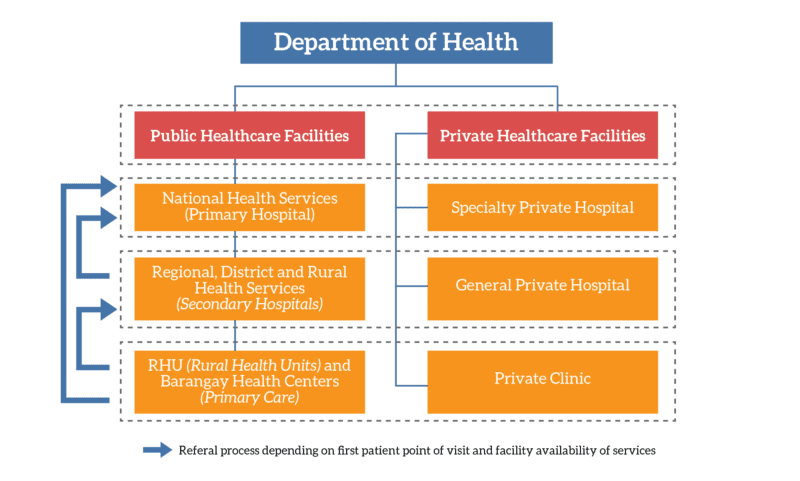
Public healthcare facilities, including government hospitals and barangay health stations, primarily handle primary and preventive care. These centers are often the first point of contact for local residents and provide essential services at minimal or no cost. However, public hospitals sometimes struggle with staffing shortages and resource limitations, leading to longer wait times and occasional delays in treatment.
Private healthcare providers offer specialized and advanced medical services, especially in fields like cardiology, orthopedics, and diagnostics. Private hospitals generally feature state-of-the-art equipment, shorter wait times, and more personalized patient care. Many foreigners and locals opt for private facilities to enjoy comfort and efficiency, but it’s important to ensure your international medical insurance covers treatments in these settings or have sufficient funds to pay out-of-pocket.
Public facilities such as barangay health stations and local clinics are vital for primary care, but staffing challenges—due to better-paying opportunities abroad or in the private sector—can impact service availability. For comprehensive hospital options, check international hospital accreditation organizations to identify facilities with recognized standards.
Healthcare Options for Expats and Foreigners
Legal residents from abroad can join PhilHealth, with eligibility depending on employment status. If employed locally, you may qualify under the Formal Sector category; self-employed or freelance workers can register as part of the Informal sector. Membership includes coverage for inpatient and outpatient care, diagnostic procedures, medications, and preventive services, with premiums ranging from less than USD$100 to over USD$700 annually, based on income.
To enroll, visit a local PhilHealth office or check if their online registration portal is operational. Many expatriates and Filipinos use Health Maintenance Organizations (HMOs) through their workplaces to offset private healthcare costs. International health insurance plans are also advisable, especially if you prefer the convenience of visiting private facilities without worrying about expenses. Remember, short-term visitors, such as tourists, are not covered by PhilHealth and should acquire travel medical insurance before arrival.
Interesting:
For expatriates seeking robust coverage, options include international plans tailored for global residents, which provide access to private clinics and hospitals, often with multilingual support and extensive provider networks.
Best Health Insurance Plans for Expats in the Philippines
- Cigna Global Insurance Plan: Offers flexible coverage options with access to over 1.5 million providers worldwide. Supports 24/7 multilingual customer service.
- Xplorer Worldwide Medical Plan: Designed for U.S. citizens abroad, this plan provides unlimited coverage and includes pre-existing conditions.
- International Medical Group (IMG) Global Medical Plan: An affordable choice that allows policyholders to see any doctor or hospital worldwide, with flexible coverage areas.
How to Access and Receive Healthcare in the Philippines
Urban centers feature numerous international hospitals and clinics that meet high standards of care. Facilities accredited by organizations like the Joint Commission International (JCI) ensure quality and safety. Recommendations from local friends, colleagues, and fellow expats can also help identify trusted providers. Communication is generally not a barrier, as most healthcare professionals speak English.
In remote regions, access to prompt emergency care can be limited. It’s advisable for those with ongoing medical conditions to stay within urban or well-equipped areas. If you experience health issues in isolated locations, heading to the nearest city is often necessary. Always plan how to cover medical expenses, especially if you lack insurance, as private treatment costs can be substantial.
Out-of-Pocket Costs in the Philippine Healthcare System
While public hospitals maintain high standards, many patients prefer private facilities for better amenities and shorter wait times, especially for specialized treatments like cancer care or chronic disease management. However, private care often comes with higher costs, including expensive imported medications. To manage expenses, many residents and expats enroll in HMOs, which negotiate reduced rates within provider networks. Alternatively, comprehensive private insurance plans can offer broader access without financial strain.
Reproductive Care in the Philippines
Contraceptive options are widely available, including IUDs, implants, pills, and injections, despite historical restrictions. Emergency contraception is not accessible, and abortion remains illegal across the country, with no exceptions for pregnancies resulting from rape or incest. Termination of pregnancies that threaten the life of the pregnant individual is generally unlawful, making reproductive choices limited under current laws.
Mental Health and Addiction Treatment
Mental health services are accessible in major cities through hospitals, private psychiatrists, and clinics. However, rural areas often lack such facilities, creating disparities in care. The ongoing war on drugs has resulted in significant social and health challenges, including the deaths of many drug users, with rehabilitative services often underfunded and disorganized. Efforts are underway to improve mental health infrastructure, but gaps remain.
Confronting Healthcare Challenges in the Philippines
The exodus of healthcare professionals seeking better wages abroad has led to a significant workforce shortage. In 2019, there was roughly one doctor or nurse per 20,000 residents—a ratio below recommended standards. The Universal Health Care Law aims to improve retention by transitioning contractual staff to permanent positions and incentivizing practitioners to serve in underserved areas through scholarships and regional training programs.
Hospital capacity remains a concern; for instance, in the National Capital Region, there are only about 23 beds per 10,000 people, with even fewer beds outside the capital. Both public and private hospitals are actively upgrading facilities and expanding capacity.
The country also utilizes tools like the Drug Price Reference Index to regulate medication costs, promoting the use of generic drugs to reduce expenses for patients.
COVID-19 and Healthcare
The pandemic exposed vulnerabilities within the Philippine healthcare system, leading to vaccine hesitancy fueled by past controversies, such as the dengue vaccine scandal. Despite these setbacks, vaccination campaigns continue, and the government is striving to rebuild public trust and strengthen healthcare resilience.
Although challenges remain, the Philippines maintains a system capable of delivering quality care to both citizens and visitors. As a well-informed traveler or resident, knowing how to access appropriate healthcare ensures peace of mind during your stay.
Related:
- Hospitals in the Philippines for Expatriates
- Philippines: Safety and Travel Insurance
- Health Insurance in the Philippines
Author / Editor: Joe Cronin, Founder and President of International Citizens Insurance. Mr. Cronin, a former expat, is an authority in international travel and global health, life, and travel insurance, advising individuals and groups on benefits for today’s global workforce. Follow him on LinkedIn or Twitter.