






Mastering the Five Foundations of Omnichannel Healthcare Design
 January 3, 2026
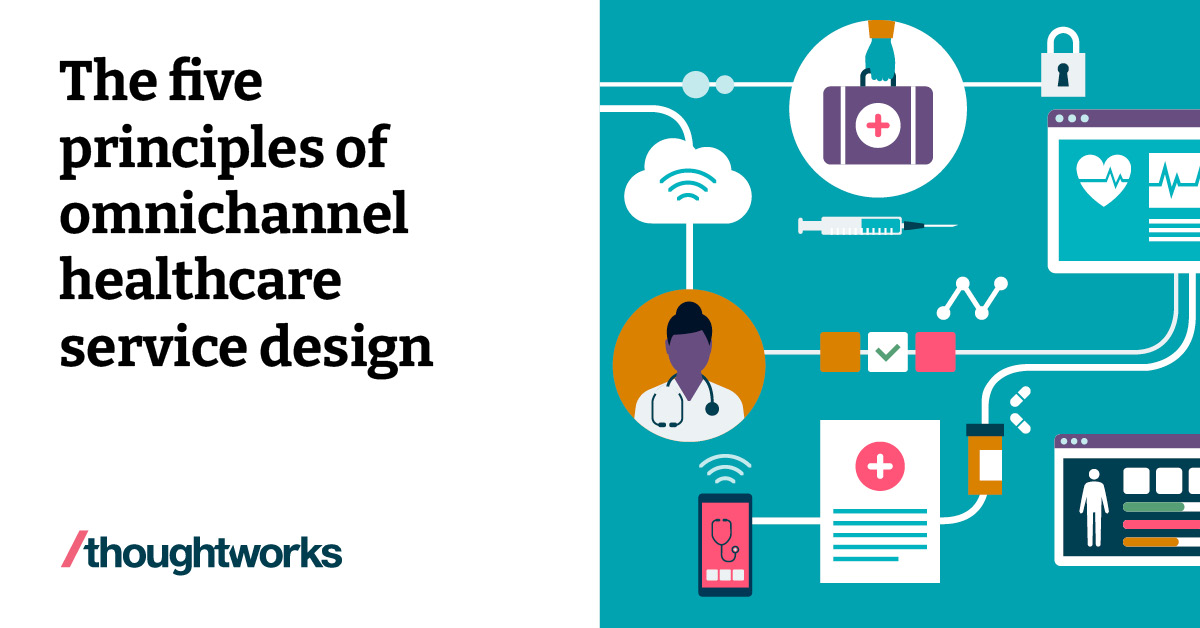
The landscape of healthcare is undergoing a profound transformation driven by digital innovations and shifting patient expectations. As healthcare organizations increasingly adopt a seamless blend of physical and virtual services, understanding the core principles that underpin effective omnichannel service design becomes essential. This approach not only enhances patient experiences but also ensures that healthcare providers stay resilient, adaptable, and forward-thinking in a rapidly evolving environment.
The rise of telehealth and digital care delivery was accelerated by recent global events, notably the COVID-19 pandemic. These technologies, once considered supplementary, are now integral to mainstream healthcare. For example, in January 2019, telehealth visits represented a mere 0.17% of healthcare claims, but by August 2021, this figure surged to 4.3%, reflecting a 25-fold increase. This rapid adoption underscores the importance of integrating digital channels into standard care pathways. Moreover, digital engagements related to mental health have seen a dramatic rise, with claims doubling from 30% to over 60% within a year, signifying a shift toward more accessible mental health support.
As these digital channels become embedded into daily healthcare practices, organizations must recognize that they are not replacing traditional care but coexisting with it to form an omnichannel ecosystem. This integration demands a comprehensive rethink of how care journeys are designed, emphasizing personalization, convenience, and accessibility. Healthcare providers are now expected to deliver services that are tailored to individual patient needs across multiple touchpoints, both online and offline. Remote working arrangements further complicate operational workflows, requiring new tools and processes to support distributed teams effectively.
Supporting this digital shift, patients are increasingly empowered to manage their own health data, schedule appointments, and interact with providers via wearable devices and mobile apps. These innovations necessitate robust data interoperability and secure information sharing, highlighting the importance of designing ecosystems that connect all stakeholders seamlessly. For instance, establishing clear governance rules and APIs ensures that data flows smoothly between systems, enabling better clinical decisions and improved patient outcomes.
To navigate these complex changes, healthcare organizations can draw valuable lessons from the retail sector, which has long mastered omnichannel experiences. Retailers learned that merely supporting multiple channels is insufficient; true omnichannel excellence requires a unified, cohesive experience where journeys flow seamlessly across touchpoints. This holistic approach involves reimagining patient journeys from the ground up, challenging existing assumptions, and leveraging new technologies to meet modern expectations.
Interesting:
- Mastering the role of independent dispute resolution in healthcare billing
- Mastering the essentials of terminal cleaning in healthcare facilities
- The foundations and impacts of universal healthcare systems
- Mastering the dynamics of payer mix and its impact on healthcare revenue
- Unlocking the future of healthcare the power of remote patient monitoring
Service design plays a pivotal role in this transformation. It involves crafting healthcare offerings that maximize efficiency and quality while providing a consistent and engaging patient experience. In this context, designing around key patient moments—such as virtual consultations, test result reviews, or data sharing—ensures that each interaction adds value and supports continuous improvement. For example, supporting digital delivery of test results or integrating data from wearable devices with electronic medical records (EMRs) enhances patient engagement and clinical accuracy.
The healthcare ecosystem’s resilience and adaptability are vital to future success. The future of healthcare will inevitably involve rapid changes driven by new regulations, pandemics, supply chain disruptions, and evolving payment models. Designing systems that can withstand and adapt to such shocks—by leveraging open standards and APIs—can give organizations a competitive advantage. Initiatives like NYU Langone’s DataCore exemplify how organizations can build flexible, data-driven platforms that support long-term resilience.
A strategic platform approach ensures that systems are reusable, scalable, and aligned with organizational goals. By evaluating user needs and existing capabilities, healthcare providers can develop technology strategies that prioritize high-impact features and facilitate ecosystem-wide interoperability. Canadian healthcare technology leaders exemplify this approach through their ongoing platform modernization efforts, ensuring their solutions remain relevant amid rapid industry changes.
Finally, continuous testing, learning, and iteration are fundamental to thriving in the dynamic omnichannel environment. Organizations must regularly assess service viability, usability, and value delivery, adjusting their offerings based on real-world feedback. This iterative process helps identify and eliminate inefficiencies, optimize user experiences, and foster innovation. For example, mapping out patient journeys with a focus on pain points allows teams to pinpoint where technology and process improvements can make the most difference.
In summary, the shift toward omnichannel healthcare demands a disciplined, principle-driven approach grounded in effective service design. By prioritizing key patient moments, fostering ecosystem resilience, developing reusable platform strategies, and embracing continuous learning, healthcare organizations can create interconnected, patient-centered journeys that stand the test of time. As the industry evolves, organizations that adopt these core principles will be best positioned to deliver exceptional, adaptable, and future-proof care experiences.