


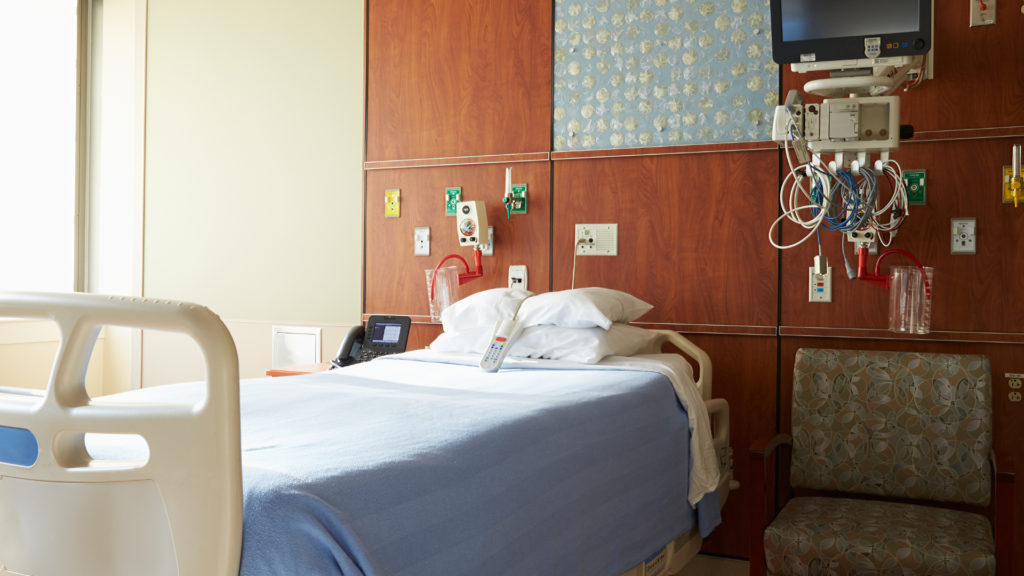
Ensuring a spotless and disinfected environment in healthcare settings is vital for safeguarding both patients and healthcare workers. Among the most critical practices to maintain hygiene standards is terminal cleaning—a comprehensive process that prepares patient care areas for the next occupant. If you’re unfamiliar with what terminal cleaning involves or how to implement it effectively, this guide provides a detailed overview of its significance, key procedures, and best practices to uphold safety and compliance in your facility.
What Is Terminal Cleaning?
Terminal cleaning is a meticulous cleaning and disinfecting process applied to patient care areas, such as hospital rooms or operating theatres, immediately after they are vacated. This procedure extends beyond routine cleaning by thoroughly sanitizing all surfaces—including those that are hard to reach—to eliminate pathogens and minimize infection transmission risks.
In healthcare environments like hospitals, clinics, and surgical centers, especially where sterility is paramount, terminal cleaning plays a crucial role in ensuring the space is safe for subsequent patients. It is an essential component of infection prevention protocols and helps maintain a hygienic environment that aligns with regulatory standards.
Why Terminal Cleaning Is Critical for Infection Control
Healthcare-associated infections (HAIs) pose significant threats within medical facilities, affecting thousands of patients annually. The Centers for Disease Control and Prevention (CDC) reports that approximately 1 in 31 hospital patients acquire an HAI each day, emphasizing the importance of effective cleaning strategies. Terminal cleaning is among the most impactful methods to curb the spread of bacteria, viruses, fungi, and other harmful microorganisms.
Advantages of rigorous terminal cleaning include:
Minimizing Infection Spread: Proper disinfection eradicates germs that could otherwise infect the next patient, thereby reducing the incidence of HAIs.
Protecting High-Risk Patients: Patients with compromised immune systems, such as chemotherapy recipients, are particularly vulnerable to infections. Ensuring their environment is thoroughly sanitized is essential.
Enhancing Patient Confidence and Satisfaction: A visibly clean and sanitized space creates a safer, more welcoming atmosphere, which can positively influence patient perceptions.
Meeting Compliance Standards: Adhering to established terminal cleaning procedures demonstrates your facility’s commitment to safety and regulatory adherence.
Hospitals must also track infection occurrences, like Clostridium difficile (C. diff), to evaluate the effectiveness of cleaning protocols and implement improvements. Consistent, high-quality disinfection practices are fundamental to reducing infection rates and fostering a safe environment.
How to Conduct Terminal Cleaning Effectively
Implementing a systematic approach is vital for thorough terminal cleaning. Here’s an outline based on CDC guidelines and industry best practices:
Step 1: Prepare Your Supplies
Gather all necessary cleaning tools, including microfiber cloths, mops, hospital-grade disinfectants, PPE such as gloves and masks, and trash disposal bags. Proper preparation ensures efficiency and safety during the process.
Step 2: Remove Debris and Linens
Carefully remove all used linens, disposable items, and personal care equipment. Handle linens with care, folding them into bundles without shaking to prevent releasing pathogens into the air.
Step 3: Disinfect Low-Touch Surfaces
Begin by cleaning ceilings, vents, light fixtures, and other high areas. Use damp microfiber cloths with disinfectant to maximize pathogen removal. Working from top to bottom prevents recontamination of cleaned surfaces.
Interesting:
- Mastering the role of independent dispute resolution in healthcare billing
- The critical role of healthcare facilities in maintaining public well being
- Unlocking the role of bpo in transforming healthcare operations
- Understanding the fundamentals of clinical care in healthcare
- The evolving role of artificial intelligence in healthcare by 2026
Step 4: Clean and Disinfect High-Touch Areas
Focus on door handles, bed controls, medical devices, and other frequently touched surfaces. Clean to remove visible dirt before applying disinfectants, ensuring that the correct dwell time is observed for maximum efficacy.
Step 5: Disinfect Restrooms
Thoroughly clean high-touch objects such as faucets, handles, and toilet seats. Mop floors with a neutral detergent to remove any residual contaminants.
Step 6: Mop the Floors
Vacuum or dust-mop the entire floor area, then proceed with damp mopping using an EPA-approved disinfectant solution. Always mop from cleaner to dirtier zones to prevent cross-contamination.
Step 7: Final Inspection
Conduct a thorough walkthrough to verify that all surfaces have been adequately cleaned and disinfected. Address any missed spots promptly to ensure comprehensive sanitation.
Developing a Consistent Cleaning Schedule
Consistency is the backbone of effective infection prevention. Establishing clear schedules and responsibilities guarantees that all areas receive the required attention. Elements to consider include:
- Frequency: Define how often high-touch and low-touch surfaces should be cleaned, especially after each patient discharge.
- Personnel Responsibilities: Assign specific cleaning tasks to designated staff members to ensure accountability.
- Standard Operating Procedures: Use detailed checklists and protocols to guide staff through each cleaning step, maintaining uniform quality.
Regular audits and documentation help identify areas for improvement and reinforce adherence to protocols.
Special Measures During Outbreaks
During infectious disease outbreaks, enhanced cleaning measures are necessary. This may involve using EPA-registered sporicidal agents effective against particular pathogens like C. difficile or norovirus. Additional precautions include:
- Room Isolation: Close off affected areas until cleaning is completed.
- Advanced Technologies: Utilize UV-C light systems or vaporized hydrogen peroxide to augment disinfection efforts.
- Verification Methods: Implement ATP bioluminescence testing or other rapid assessment tools to confirm cleaning efficacy.
Effective outbreak management relies on meticulous disinfection combined with strategic planning and trained personnel.
The Value of Professional Expertise in Terminal Cleaning
Although internal staff can handle basic cleaning tasks, terminal cleaning demands specialized training and experience to ensure compliance with CDC and hospital standards. Partnering with professional cleaning services guarantees adherence to best practices, reduces human error, and allows your healthcare team to focus on patient care. Properly trained cleaners are equipped to neutralize resistant pathogens like C. diff spores, which can survive on surfaces for extended periods, further safeguarding your facility.
Elevating Infection Control Through Superior Cleaning Practices
Robust terminal cleaning serves as a frontline defense in preventing disease transmission within healthcare environments. Implementing comprehensive and consistent protocols not only protects patients and staff but also enhances your facility’s reputation for safety. For additional insights into healthcare safety protocols and best practices, consult authoritative sources such as the CDC’s Guidelines for Environmental Infection Control.
Interested in optimizing your cleaning procedures? Reach out to experts who can tailor a comprehensive cleaning plan suited to your facility’s unique needs, ensuring the highest standards of safety and hygiene.