


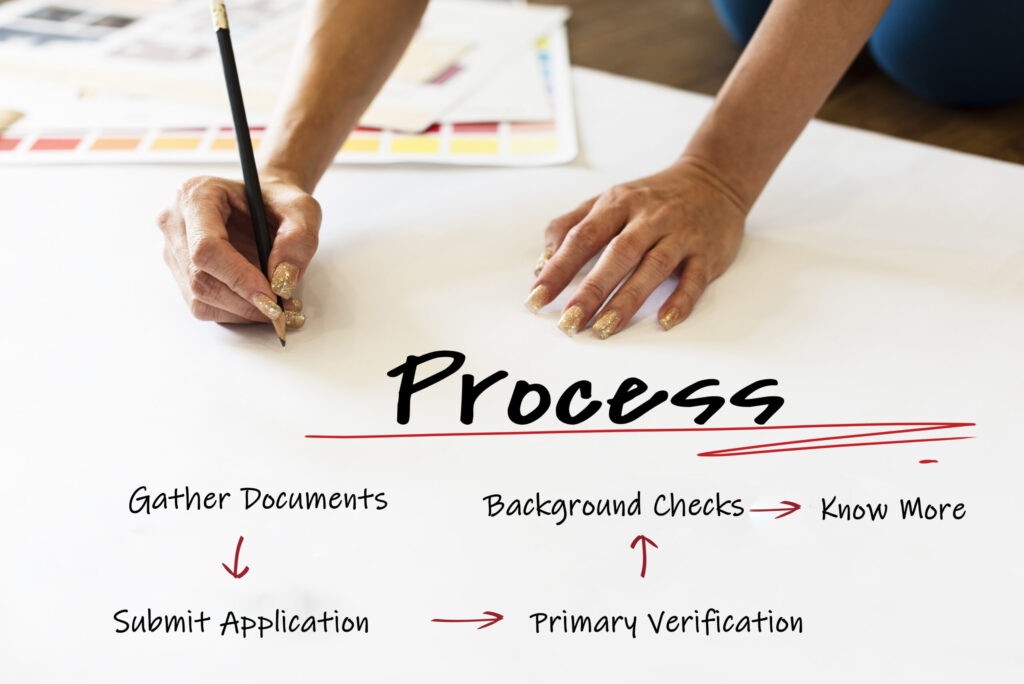
Entering the healthcare field is an exciting milestone, but understanding the credentialing process can often seem daunting for newcomers. Credentialing is not merely a bureaucratic hurdle; it is a fundamental step that safeguards patient safety, upholds high standards of care, and confirms that providers meet all necessary qualifications. Navigating this process with confidence is essential for establishing your professional reputation and starting your practice smoothly.
This comprehensive guide breaks down the credentialing journey into clear, manageable steps, equipping you with the knowledge to approach each stage efficiently and with assurance. From assembling your documents to achieving privileging, understanding each phase helps streamline the pathway to practice.
Credentialing involves a formal verification of a healthcare provider’s education, training, licensure, and professional experience. Its main objectives are to validate your credentials and ensure compliance with federal, state, and payer regulations. Effective credentialing is crucial because it prevents unnecessary delays that could hinder your ability to serve patients and begin practicing promptly.
Begin by collecting all necessary documentation early on. This includes diplomas, licenses, certifications, CVs, and any relevant training records. Organize both digital and physical copies meticulously to facilitate quick access when needed. Proper documentation preparation can significantly reduce errors and delays during the application process.
Most healthcare facilities or organizations require you to complete a credentialing application. These forms request detailed information about your professional background and credentials. To simplify and accelerate this step, consider utilizing platforms like Intelix Credentialing, which offer streamlined application management, minimize mistakes, and speed up approval times.
Once your application is submitted, credentialing bodies conduct verification directly with your educational institutions, licensing boards, and certification agencies. This step ensures that your credentials are legitimate and meet all regulatory standards. It’s important to be transparent about any gaps in employment or training during this phase, as withholding information can lead to complications or delays later.
Interesting:
Some organizations also require peer reviews or interviews to evaluate your clinical skills and professional demeanor. These assessments help determine your suitability for specific privileges and practice settings. Preparing thoroughly for these evaluations can enhance your chances of obtaining the desired privileges.
After successful credentialing, the organization grants you privileges, which authorize you to provide specific services and procedures. This privileging process is tailored to your qualifications and the organization’s standards, ensuring that you are permitted to perform only the procedures you are trained and certified for.
Tools like Intelix Credentialing can help accelerate this phase by automating many steps, reducing administrative burdens, and shortening the overall timeline. Many practitioners who leverage such platforms report a significant decrease in credentialing time, allowing you to start your practice sooner.
Understanding and managing the credentialing process is vital for your career development in healthcare. By staying organized, transparent, and leveraging innovative tools, you can navigate this complex process with ease and confidence.
Are you eager to expedite your credentialing journey? Reach out to Intelix Credentialing today and discover how we can assist in simplifying your pathway to practice.
Sharing this knowledge can help other practitioners streamline their credentialing process—spread the word across your social networks!