


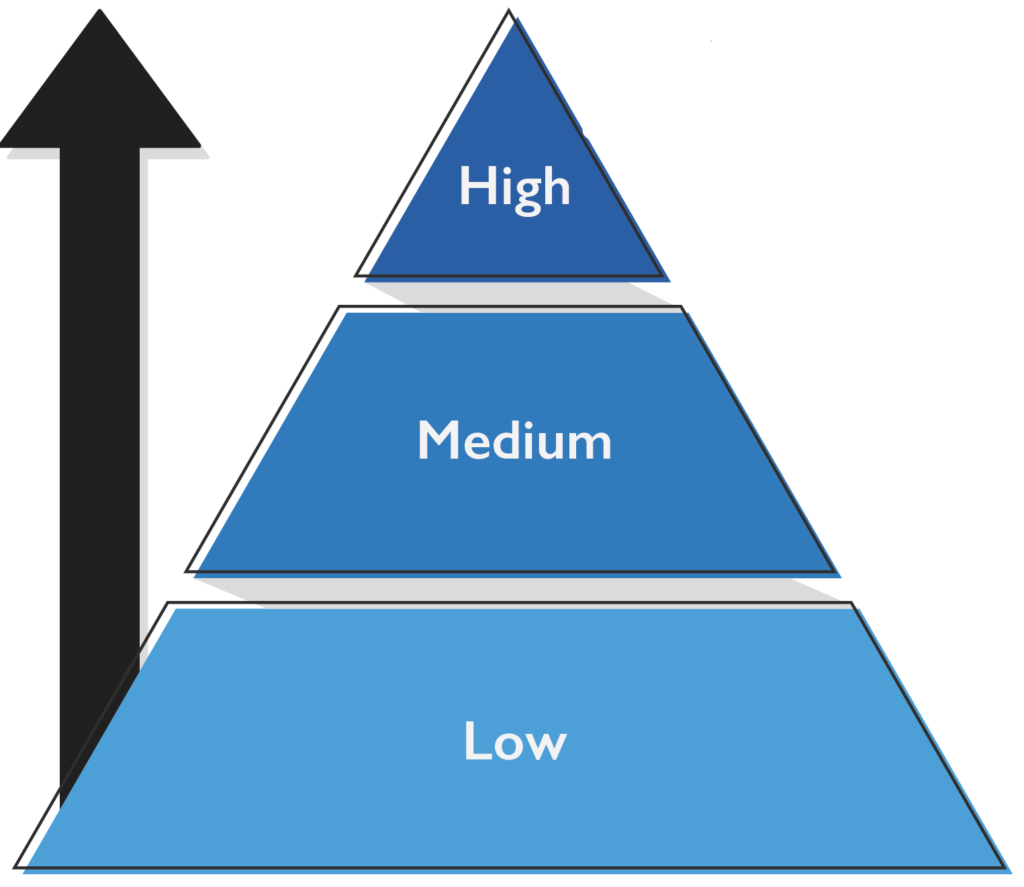
Effective management of population health relies heavily on understanding individual patient risks and tailoring interventions accordingly. Risk stratification plays a crucial role in identifying patients who may require more intensive care or targeted resources. By categorizing patients into different risk levels, healthcare providers can optimize their strategies to improve outcomes, reduce costs, and enhance overall care quality. This approach is especially valuable in today’s data-driven healthcare landscape, where sophisticated tools like the Johns Hopkins ACG® System enable organizations to make informed, real-time decisions.
What is risk stratification?
Risk stratification involves classifying patients based on their likelihood of using healthcare services or experiencing adverse health events. Within the framework of the ACG System, users gain access to tools that segment patients into low, medium, or high-risk categories for healthcare utilization. These classifications are derived from a comprehensive analysis of multiple contributing factors, including:
- Predicted healthcare costs
- Clinical history and conditions
- Social determinants of health
- Behavioral patterns
Applying these factors through the ACG System allows healthcare organizations to focus their resources on the populations in greatest need. This targeted approach helps health systems reduce unnecessary expenditures, prevent hospitalizations, and promote healthier populations. For more effective clinical documentation and data accuracy, organizations can explore strategies to improve record-keeping by reviewing practical methods for enhancing clinical documentation.
How Risk Stratification Enables Real-Time Decision Making
Real-time insights are essential for proactive healthcare management. By leveraging risk stratification tools, clinicians and administrators can quickly identify high-risk patients who might benefit from immediate intervention. These insights facilitate timely care adjustments, prevent avoidable complications, and improve patient outcomes. Integrating risk data with other clinical information supports more dynamic decision-making, allowing providers to respond swiftly to emerging needs. Incorporating such analytics into daily workflows can significantly enhance overall care efficiency and effectiveness.
Interesting:
Using Population Segmentation
Beyond simple risk categorization, the ACG System employs population segmentation techniques to organize patients into clinically relevant groups known as Patient Need Groups. These groups simplify complex health data, making it easier for clinicians to interpret and act upon. For example, a health system might want to examine patients with multiple chronic conditions of moderate severity. The system enables filtering by risk level, providing a clear picture of which patients require more intensive management. This segmentation aids in planning targeted interventions, resource allocation, and care coordination.
Furthermore, the system offers insights into trends related to medical costs, hospital admissions, and emergency department visits—especially non-emergent visits—which are crucial for strategic planning. Combining these data points with traditional care approaches allows healthcare organizations to implement more precise and effective population health strategies, optimizing both patient outcomes and operational costs. For organizations interested in expanding their healthcare capabilities, understanding the steps involved in launching a successful medical staffing agency can be a valuable step toward scaling services.
Conclusion
Incorporating risk stratification tools into population health analytics is a straightforward yet powerful way to gain actionable insights into patient groups. The Johns Hopkins ACG System stands out as a vital resource for healthcare organizations aiming to improve population management, control costs, and deliver targeted care. By understanding and applying these advanced stratification techniques, organizations can better meet the needs of their populations and achieve their health improvement goals. For further insights into the benefits and challenges of healthcare leadership, consider exploring the key advantages and disadvantages of pursuing a master’s in healthcare administration.