



Reducing healthcare costs while maintaining quality care is a priority for employers, insurers, and policymakers alike. As healthcare expenses continue to escalate, understanding how to implement effective cost containment measures becomes crucial for sustaining accessible, high-quality medical services without overburdening budgets. This comprehensive guide explores what cost containment in healthcare entails, why it is vital, the factors driving rising costs, and proven strategies to manage expenses efficiently.
Maintaining a delicate balance between controlling costs and ensuring employees receive comprehensive healthcare benefits is a complex challenge. With healthcare spending in the United States surpassing that of other high-income nations by more than threefold, organizations are seeking innovative solutions to curb expenses without compromising care quality. The importance of cost containment extends beyond mere savings; it encompasses improving transparency, accessibility, and overall healthcare outcomes.
What Is Cost Containment in Healthcare?
Cost containment in healthcare involves a set of management practices aimed at reducing the financial burden of medical services for organizations and individuals. These strategies are designed to optimize healthcare spending by minimizing unnecessary expenditures, streamlining administrative processes, and promoting efficient care delivery. Over time, these measures have evolved into comprehensive approaches that help organizations address the mounting challenge of rising healthcare costs.
While healthcare spending has grown across various sectors, the increase in per-employee costs with private insurance plans has been particularly significant over the past decade. Employers are increasingly adopting cost containment tactics to manage these expenses effectively, ensuring that employees continue to receive quality care without escalating costs draining organizational resources.
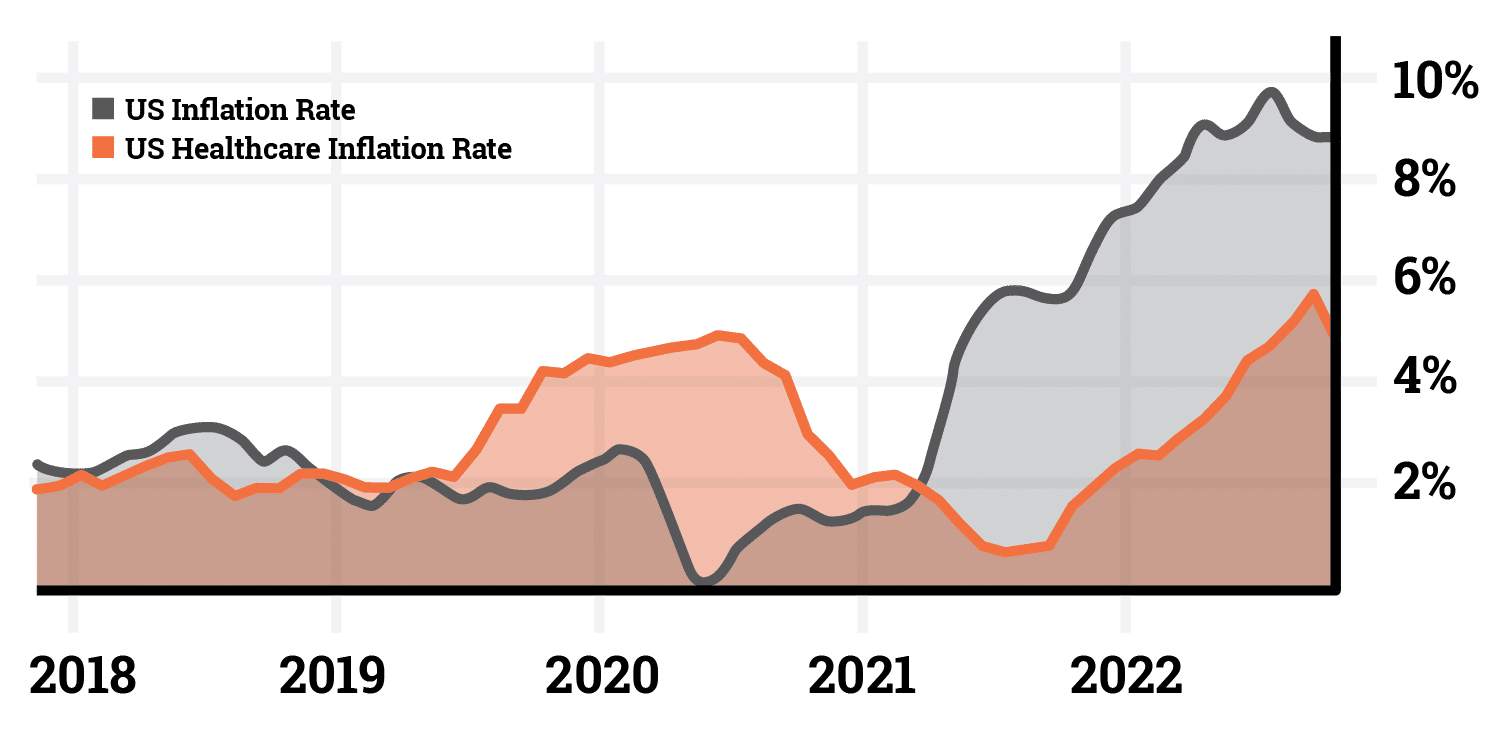
U.S. Inflation Rate vs. Private Insurance Spending Per Enrollee Growth


Despite fluctuations in inflation, private insurance costs per enrollee have surged at a rate far exceeding general inflation, underscoring the need for strategic cost management.
Cost containment strategies typically combine innovative healthcare models with payment integrity practices. These may include adopting alternative reimbursement structures, fostering a health-conscious workplace culture, and expanding access to care outside traditional provider networks. Such approaches aim to deliver high-quality services at sustainable costs.
Why Is Cost Containment Essential?
Ensuring reliable and effective healthcare access has become more critical than ever, especially for employers aiming to maintain a healthy, productive workforce. Employees who can access quality healthcare are more likely to be engaged and satisfied, which directly impacts organizational success. High healthcare costs threaten to limit the availability of comprehensive coverage, potentially leading to poorer health outcomes and increased absenteeism.
Implementing robust cost containment measures can also elevate healthcare quality by removing barriers that hinder access to necessary services. For instance, patients requiring specialized procedures outside their network often face higher out-of-pocket costs due to the loss of network discounts. A well-designed cost control strategy can help mitigate these issues, allowing patients to receive necessary treatments at fairer rates without sacrificing quality.
Why Are Healthcare Costs Increasing So Rapidly?
Several interconnected factors contribute to the relentless rise in healthcare expenses:
Fee-for-Service Payment Model: Many providers are compensated based on the volume of services rendered rather than the quality of care. This incentivizes providers to prioritize quantity, leading to rushed appointments, unnecessary tests, and overtreatment. Hospitals and clinics, driven by profit motives—even within non-profit frameworks—benefit financially from higher patient turnover, which inflates costs without necessarily improving health outcomes.
Lack of Price Transparency: Unlike other industries, medical service costs are often opaque. Providers rarely publish prices upfront, making it difficult for patients to compare costs or make informed decisions. This opacity allows for charge markups that can significantly inflate final bills. Although legislation like the No Surprises Act aims to improve transparency, complexities in billing and coding continue to obscure actual costs.
Industry Consolidation: Mergers and acquisitions among healthcare providers tend to decrease competition, often resulting in higher prices and reduced quality. Studies indicate that such consolidation usually harms consumers by driving up costs while offering minimal improvements in care standards.
Inflation Effects: General inflation impacts healthcare costs by increasing the prices of supplies, medications, and administrative expenses. While healthcare inflation has not yet outpaced overall inflation, its trajectory closely mirrors it, further exacerbating cost pressures.
Interesting:
- Mastering measurement strategies to drive healthcare improvement
- Is healthcare free in australia a comprehensive guide to medicare and medical expenses
- Mastering healthcare financial strategies for sustainable growth
- Effective strategies to boost patient engagement and improve healthcare outcomes
- Mastering capital budgeting strategies in healthcare for sustainable growth
Economic Data on Healthcare Spending

Projections indicate that healthcare expenditures will continue to grow at an annual rate of approximately 5.4%, driven by inflation and other systemic factors.
What Are the Most Effective Cost Containment Strategies?
Implementing a combination of proven practices can significantly reduce healthcare expenses while maintaining quality. Some of the most impactful strategies include:
- Self-funded healthcare plans
- Bundled payments
- Payment accuracy and fraud prevention measures
- Optimized managed care plans
- Telemedicine and telehealth services
- Cultural initiatives promoting wellness
Self-funded Healthcare Plans
Traditional insurance models involve insurers paying providers and then passing costs onto employers and employees through premiums and deductibles. Conversely, self-funded plans enable employers to pay directly for employee medical expenses, often negotiating better rates by leveraging pre-established benchmarks and reference points in pre-payment arrangements. This approach reduces overhead costs and can lead to substantial savings, especially when combined with strategies like reference-based pricing.
Bundled Payments
Rather than billing separately for each service involved in a procedure, providers can offer a single, comprehensive payment covering all related services. For example, instead of separate charges for anesthesia, surgical supplies, and post-operative care, a bundled payment provides one predictable amount. This incentivizes providers to deliver efficient, coordinated care, reducing unnecessary costs.
Payment Integrity Measures
Billing errors and duplicate charges significantly contribute to inflated healthcare expenses. Payment integrity efforts focus on verifying the accuracy of claims before payments are made. Techniques such as clean claim reviews scrutinize each line item, ensuring charges are correct and necessary, preventing overpayment and fraud. These measures can save organizations millions annually.
For more insights into healthcare cost strategies, consider exploring approaches that involve assessing risks and ensuring safety in healthcare delivery, which can also contribute to cost reduction here.
Managed Care Plans
Encouraging employees to opt for managed care options like Health Maintenance Organizations (HMOs) can significantly lower costs. HMOs typically have lower premiums and no deductibles compared to Preferred Provider Organizations (PPOs), making them a cost-effective choice for healthy individuals.
Telemedicine and Virtual Care
Virtual healthcare services enable patients to consult with providers remotely, often at a fraction of the cost of in-person visits. Telehealth reduces expenses related to facility use and travel time, making healthcare more accessible and affordable. As technology advances, telemedicine is becoming an integral part of cost control strategies.
Cultural Initiatives for Wellness
Promoting a workplace culture centered on health and wellness can prevent many medical issues before they arise. Employers can incentivize healthy habits by providing nutritious food options, access to fitness facilities, and organizing wellness activities. These efforts not only reduce healthcare costs but also boost morale and productivity.
How to Begin Implementing Cost Containment in Healthcare
Effective cost management requires a tailored approach that considers an organization’s unique needs and resources. A good starting point involves assessing current healthcare spending patterns, identifying areas of inefficiency, and integrating multiple strategies for maximum impact. For example, combining reference-based pricing with managed care plans can enhance cost savings without sacrificing coverage quality.
Partnering with experienced providers like 6 Degrees Health can streamline this process, offering expert guidance on designing and executing a comprehensive cost containment plan.
Take the First Step Toward Smarter Healthcare Spending
Once you’ve recognized the importance of managing healthcare costs, the next step is to develop a strategic plan tailored to your organization’s specific needs. Engaging industry experts with a proven track record in cost containment solutions can make all the difference. With the right approach, you can achieve significant savings while ensuring your employees receive the quality care they deserve.
To learn more about how strategic cost containment can benefit your organization, contact 6 Degrees Health today. Our team is ready to help you implement effective strategies that optimize healthcare spending and improve outcomes.