





Legal Boundaries for Healthcare Professionals: Marijuana Use and Licensing Concerns
 December 23, 2025
The evolving landscape of marijuana legalization across the United States presents new questions for healthcare professionals regarding their rights and responsibilities. While many states permit recreational and medical use of cannabis, licensed medical practitioners such as doctors and nurses must navigate complex regulations that impact their careers and licensing status. This guide explores the key issues surrounding marijuana use among healthcare workers, clarifies legal distinctions, and offers practical advice to help professionals stay compliant and safeguard their licenses.
Marijuana, CBD, Medical, and Nursing License FAQs
Many licensed healthcare providers are curious about the boundaries of cannabis use, especially considering the shifting legal landscape. This frequently asked questions section addresses common concerns about the recreational and medicinal use of marijuana, the legal status of CBD products, and the implications for medical and nursing licenses.
Can nurses smoke weed?
Can doctors smoke weed?
Do physicians or nurses use CBD oil?
Where is marijuana legal in the U.S.?
Are drug tests required in medical and nursing education?
Can visa or green card holders use marijuana legally?
1) Can nurses smoke weed?
Nurses in states where marijuana is legal—such as California and Colorado—may technically use cannabis, provided they meet certain conditions. They must avoid impairment during patient care, adhere to their employer’s policies, and comply with local laws. However, a significant challenge is that most healthcare employers maintain strict policies prohibiting marijuana use, even in legal states, due to safety concerns. Employers have the right to enforce drug-free workplaces, especially for safety-sensitive roles.
Even with a medical marijuana card, nurses can face termination if they test positive on drug screenings. Employers often require pre-employment drug tests, and failing these can lead to disciplinary action or job loss. It’s important to recognize that marijuana remains classified as a Schedule I controlled substance under federal law, meaning federal agencies—including the Department of Veterans Affairs and Department of Health and Human Services—consider it illegal. As a result, federal employees, including nurses working under federal jurisdiction, are prohibited from using cannabis regardless of state legality.
Detecting impairment caused by cannabis is complex because standard drug tests can detect metabolites weeks after last use, but they do not reliably measure current impairment. Employers may argue that cannabis use affects performance, especially if workplace incidents occur. For travel nurses working across multiple states, awareness of varying marijuana laws is essential, as consumption legal in one jurisdiction could lead to failed drug tests elsewhere.
If cannabis use develops into a substance abuse problem affecting work performance, licensing boards can initiate disciplinary proceedings against nurses. For more insights, review the dynamics of our healthcare system.
2) Can doctors smoke weed?
Physicians in states where recreational or medical marijuana is legal—such as California or Colorado—may use cannabis, provided they do not practice medicine while impaired. State medical boards typically focus on impairment during practice rather than recreational use per se. For example, the Medical Board of California (MBC) does not restrict doctors from using cannabis recreationally, but it enforces strict rules against practicing medicine while impaired, which could lead to investigations if impairment is suspected.
Employers in healthcare settings can enforce policies requiring pre-employment drug testing and maintaining a drug-free workplace. Since marijuana remains federally classified as a Schedule I drug, federal agencies, including the Veterans Health Administration, CDC, and FDA, prohibit federal employees from marijuana use. Violations can result in termination or other disciplinary measures, regardless of state laws.
Physicians should consult with a license defense attorney if questioned by their medical board or employer about cannabis use. The presence of THC in a doctor’s system can increase risks of scrutiny if an incident occurs that might suggest impairment. As such, many physicians choose to abstain from cannabis to avoid jeopardizing their medical licenses. To learn more about the regulatory landscape, see the guidelines from medical licensing authorities.
3) Do doctors smoke weed?
Survey data shows that approximately 3% of physicians have used marijuana in the past year, which is significantly lower than the 12% of the general population reported in 2019. Usage rates vary by specialty; emergency medicine doctors report higher past-use rates, whereas fields like nephrology tend to have lower reported use. Overall, physicians tend to use marijuana at rates roughly a quarter of those observed in the broader population. This lower usage may reflect professional caution given the potential legal and licensing consequences.
Source: Medscape Physician Marijuana Use Survey
Interesting:
- Elevating healthcare compliance strategies and resources for professionals
- Demystifying hospital billing a comprehensive guide for healthcare professionals
- Navigating key challenges in engaging stakeholders for health and healthcare guideline development
- Essential healthcare kpis and quality metrics for 2026 reporting
- Essential healthcare kpis and metrics for organizational success
4) Can doctors or nurses use CBD oil?
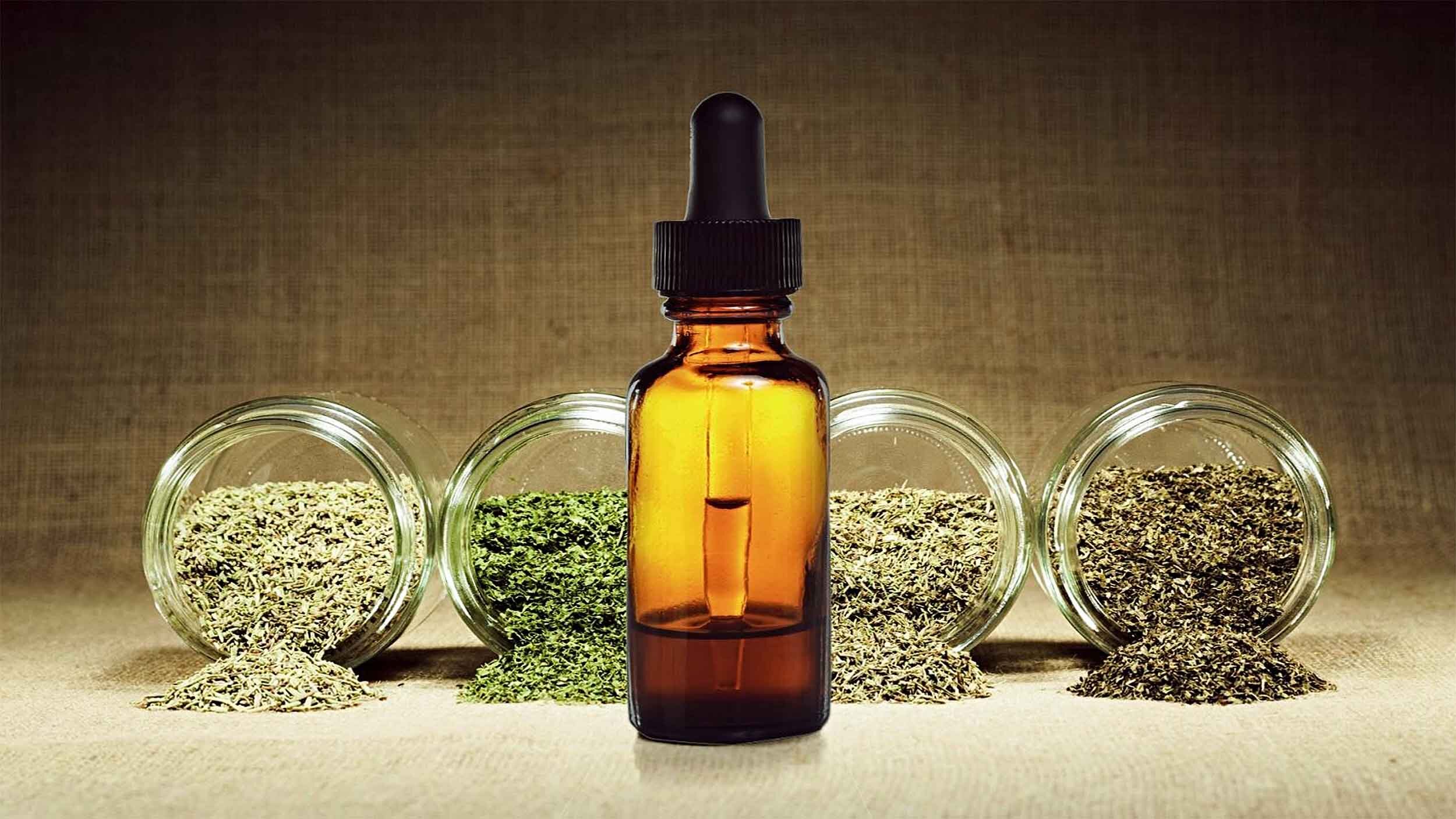
CBD products, derived from hemp, are widely marketed for conditions like arthritis, insomnia, and anxiety. Since the 2018 Farm Bill, hemp-derived CBD with less than 0.3% THC is legal nationwide. Healthcare professionals, including doctors and nurses, can generally use these products legally, provided they contain no THC. However, many CBD oils on the market do contain trace amounts of THC, which can lead to positive drug tests.
Research indicates that some CBD products labeled THC-free still contain detectable THC levels, which can cause issues if tested. For example, a study published in JAMA found that 21% of tested CBD oils contained THC despite label claims. Professionals should exercise caution and verify product contents carefully. Consuming THC-laden CBD could violate workplace policies or state laws, risking job loss or license penalties. For detailed guidance on managing healthcare data, review what is healthcare data management.

5) Where is marijuana legal in the U.S.?
Marijuana laws are rapidly evolving across the country. Currently, 19 states and Washington, D.C., have legalized recreational use for adults aged 21 and over, including California, Colorado, Illinois, and Oregon. Medical use is permitted in 35 states, including Arkansas, Florida, and New York, often with a physician’s recommendation.
Despite state-level legalization, cannabis remains illegal under federal law under the Controlled Substances Act of 1970. Certain cannabis-derived medications such as Epidiolex and Marinol are FDA-approved and legally prescribed. Healthcare professionals should remain aware that federal law enforcement agencies maintain enforcement authority, and use of marijuana could jeopardize immigration status or employment rights for visa or green card holders. For a comprehensive overview, see how our healthcare system functions.
6) Do nursing and medical schools require drug tests?
Most accredited medical and nursing programs require drug screenings during admission processes. These tests are part of compliance with healthcare standards and accreditation requirements, especially because students participate in clinical settings where patient safety is paramount. Urine drug screens typically test for substances including opioids, benzodiazepines, cocaine, and marijuana. Some institutions also perform hair follicle tests to detect longer-term drug use.
Positive results, especially for prescribed medications, require verification through documentation. Medical schools and nursing programs aim to maintain a drug-free environment to ensure safety and professionalism.
7) Can a nurse or doctor with a green card or visa use marijuana?
Non-U.S. citizens holding green cards or visas must adhere to federal laws, which classify marijuana as illegal regardless of state laws. This means that even if marijuana use is legal locally, visa and green card holders cannot legally consume cannabis. Violation of federal law can lead to severe immigration consequences, including deportation.
Engaging in marijuana use while holding a visa or permanent resident status can jeopardize your immigration status, especially if convicted of a controlled substance violation. It is advisable for healthcare professionals in these situations to seek legal guidance before using cannabis products. For additional insights, explore the challenges facing our healthcare system.
About Chudnovsky Law
Chudnovsky Law specializes in criminal defense and professional license protection for healthcare providers in California. Their team includes former Deputy Attorneys General with decades of experience in license investigations and disciplinary proceedings. Whether facing a license challenge, criminal charges, or compliance issues, their attorneys provide strategic representation designed to safeguard your career.
To schedule a consultation, call (844) 325-1444.
Note: This information is provided for educational purposes only and does not constitute legal advice. Always consult a qualified attorney for advice tailored to your specific circumstances.