






Launching a Successful Healthcare Consulting Business: Essential Strategies and Insights
 December 24, 2025
Entering the healthcare consulting industry offers a promising avenue for professionals eager to make an impactful difference in the health sector. This field is expanding rapidly, driven by the increasing complexity of healthcare systems and the demand for specialized expertise. If you possess strong analytical abilities, healthcare knowledge, and business acumen, establishing your own consulting practice can be both rewarding and profitable. This guide provides comprehensive steps to help you start and grow a thriving healthcare consulting enterprise, from understanding industry fundamentals to marketing your services effectively.
Overview of Starting a Healthcare Consulting Business
Launching a healthcare consulting firm can be a fulfilling venture for those passionate about improving healthcare delivery and operations. However, it demands careful planning and a clear understanding of the industry’s dynamics. The healthcare sector is continuously evolving, presenting ongoing opportunities for consultants who can offer innovative solutions and strategic guidance.
Whether you’re transitioning from a healthcare role or a recent graduate seeking entry into this sector, the demand for experienced consultants remains high. Healthcare organizations, insurance providers, and government agencies seek experts who can navigate regulatory changes, optimize processes, and implement technological advancements. With a strategic approach, you can carve out a niche in this expanding market.
Understanding Healthcare Consulting
Healthcare consulting encompasses a broad spectrum of services aimed at enhancing operational efficiency, financial performance, and patient outcomes across various healthcare entities.
What Does Healthcare Consulting Entail?
Healthcare consultants collaborate with hospitals, clinics, insurance companies, and public health agencies to solve complex problems. Their services include strategic planning, process optimization, revenue cycle management, and health information technology integration. For example, implementing advanced electronic health record systems can significantly improve data accuracy and patient care quality.
Why Is the Industry Experiencing Growth?
The rapid expansion of healthcare consulting is fueled by the increasing complexity of healthcare policies, rising costs, and technological advancements. Healthcare organizations face evolving regulations and patient expectations, necessitating expert guidance to adapt successfully. As healthcare data becomes more critical, specialists who understand the nuances of health informatics and data analysis are in higher demand. To explore the pathway to becoming a healthcare data analyst, consider visiting this resource.
Benefits of a Career in Healthcare Consulting
A career in healthcare consulting offers numerous advantages, including the opportunity to influence positive change in healthcare delivery, flexible working arrangements, and competitive compensation. Professionals in this field can enjoy a work-life balance that includes remote work options and ongoing learning opportunities. Additionally, healthcare consultants often have the chance to specialize in areas like healthcare technology or public health, which can further enhance career prospects.
Pathway to Becoming a Healthcare Consultant
Embarking on a career in healthcare consulting involves acquiring the right education, skills, and experience.
Educational and Certification Requirements
A foundational requirement is a bachelor’s degree in healthcare management, public health, or a related field. Many employers prefer candidates with a master’s degree in healthcare administration, health services, or business administration. Certifications such as the Certified Management Consultant (CMC) or credentials in healthcare risk management (e.g., CPHR) serve to validate your expertise and boost your credibility. To understand the importance of healthcare certifications, see this guide.
Key Skills for Success
Successful healthcare consultants possess a blend of technical and interpersonal skills. Strong communication and analytical abilities are essential for assessing client needs and devising effective solutions. Problem-solving skills, attention to detail, and the capacity to work collaboratively across teams are also critical. Developing these skills through continuous education and practical experience will position you for success.
Gaining Entry into the Industry
Begin by working in healthcare roles to build relevant experience and industry knowledge. Internships, networking events, and specialized training programs can provide valuable exposure. For professionals with existing healthcare backgrounds seeking to transition into consulting, obtaining relevant certifications and expanding your skill set will facilitate entry. Building a professional profile through industry associations and online platforms can open doors to consulting opportunities.
Job Opportunities and How to Find Them
Consultancy roles are available in hospitals, clinics, insurance firms, and consulting agencies. Networking, attending industry conferences, and leveraging job portals such as the National Society of Certified Healthcare Business Consultants (NSCHBC) are effective strategies for finding positions. Additionally, establishing a strong online presence and a professional website can enhance your visibility to potential clients and employers.
Establishing Your Healthcare Consulting Business
Starting your own consultancy requires strategic planning and legal considerations.
Developing a Business Plan
A comprehensive business plan should define your mission, target market, services offered, marketing strategies, and financial projections. Conduct thorough market research to identify gaps in the industry and differentiate your services. A well-crafted plan guides your operations and helps attract investors or partners.
Navigating Legal Requirements
Legal considerations include registering your business, obtaining necessary licenses and permits, and securing liability insurance. Choosing the appropriate legal structure—such as sole proprietorship, partnership, or LLC—is vital for liability protection and tax purposes. Consulting with legal and financial professionals ensures compliance and optimal setup.
Marketing Your Services Effectively
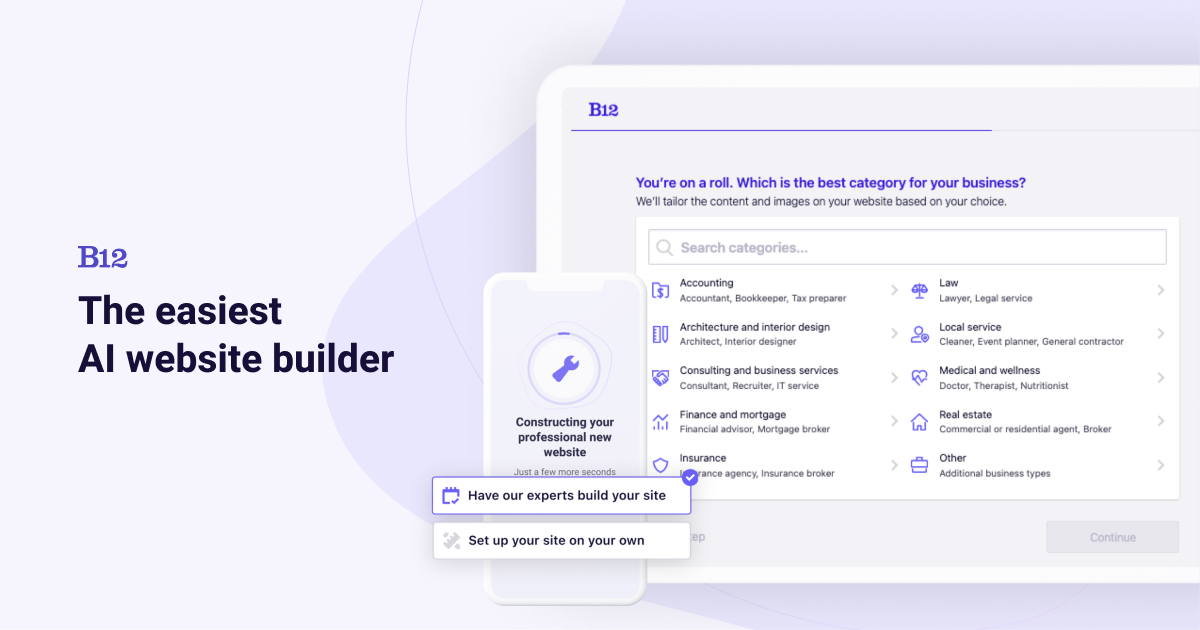
Promoting your healthcare consulting services is crucial for attracting clients. Build an informative website, leverage social media, and participate in industry events to increase your visibility. Developing a referral network and requesting testimonials from satisfied clients can also bolster your reputation. To establish a competitive online presence, consider using platforms that streamline website creation, like this AI website builder.
Interesting:
- Navigating healthcare compliance essential insights and strategies
- Essential responsibilities and skills of a healthcare project leader
- Transforming healthcare essential components and innovative management strategies
- Essential roles and skills of a healthcare practice manager
- Essential steps for launching a healthcare venture in 2025
Identifying Your Niche
Specializing in a particular area—such as healthcare technology, hospital management, or public health—can set you apart. Conduct market research to ensure demand exists within your chosen niche. Tailoring your services to specific client needs allows you to become a trusted expert and command higher fees.
Strategies for Growing Your Healthcare Consulting Business
Scaling your practice involves expanding services, building a team, and managing finances effectively.
Service Expansion
Offer new consulting areas or enter emerging markets to attract a broader client base. For instance, expanding into telemedicine solutions or population health management can open additional revenue streams.
Building a Team
As demand increases, hiring skilled professionals can support your growth. Focus on recruiting individuals with relevant expertise and cultural fit. Implement comprehensive onboarding and training programs to maintain quality standards.
Financial Management
Implement systems for tracking expenses, invoicing clients, and managing cash flow. Consulting a financial advisor or accountant can help optimize your financial strategies, ensuring sustainability and profitability.
Starting and expanding a healthcare consulting business demands dedication, strategic planning, and a commitment to continuous learning. By understanding industry trends, developing a clear niche, and delivering exceptional services, you can build a reputable and successful practice that positively impacts healthcare organizations.
Advancing Your Career in Healthcare Consulting
Opportunities for career advancement are abundant. You can specialize further or explore new sectors within healthcare.
Public Health and Policy Consulting
Working with government agencies or NGOs, public health consultants develop initiatives to improve community health, disease prevention, and health policy. This work often involves analyzing demographic data in healthcare to inform decision-making; learn more about this in this resource.
Physician and Clinical Consulting
Partnering with healthcare providers, physician consultants focus on improving patient care processes, implementing new care models, and integrating innovative technologies. They help streamline operations and enhance outcomes.
Healthcare Technology Consulting
As digital health solutions evolve, health IT consultants guide organizations in adopting electronic health records, telemedicine, and data analytics tools. Utilizing insights from healthcare AI advancements, these professionals help organizations leverage technology for improved services.
Key Certifications for Career Growth
Obtaining specialized credentials, such as project management certifications (e.g., PMP) or healthcare information systems certifications (e.g., CPHIMS), can distinguish you in a competitive market. Continuous education and staying abreast of industry trends are essential for career progression.
Building a Strong Online Presence to Promote Your Practice
Establishing a professional website can significantly enhance your visibility and credibility.
A well-designed website serves as a digital storefront, attracting potential clients and showcasing your expertise. Platforms like B12 provide tools that enable you to create a polished online presence quickly. These platforms offer templates tailored for healthcare professionals, incorporating features such as appointment scheduling, payment processing, and email marketing. This integrated approach simplifies client acquisition and retention.
To attract, win, and serve more clients effectively, regularly update your site with case studies, client testimonials, and insightful content. Drafting your website in a matter of minutes with AI-driven tools allows you to focus more on delivering quality services rather than technical details. Start building your online presence today—no credit card is required for a free trial.
By implementing these strategies, you can establish a reputable healthcare consulting practice that not only advances your career but also contributes meaningfully to the healthcare community.