


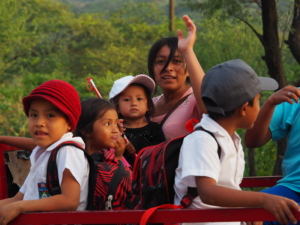
Peru, a country rich in cultural diversity and natural beauty, has experienced significant transformations in its healthcare landscape over the past two decades. While notable progress has been made in expanding access and reducing mortality rates, substantial challenges remain, especially in rural and underserved communities. Understanding the structure, achievements, and ongoing issues of Peru’s healthcare system provides valuable insight into how developing nations strive toward equitable health services for all citizens.
6 Facts About Peru’s Healthcare System
Decentralized Structure:
Peru’s healthcare system is characterized by its decentralized organization, involving a mix of public and private entities responsible for delivering medical services across the country. Five main organizations oversee healthcare administration: the Ministry of Health (MINSA), the Armed Forces (FFAA), the National Police (PNP), EsSalud (the social security institute), and private healthcare providers. This decentralization aims to distribute healthcare responsibilities throughout the nation; however, it has led to communication problems. These issues include difficulties in coordinating patient records, medication management, and ensuring consistent quality of care between different provider entities. Such fragmentation has sometimes resulted in increased medication costs and gaps in patient information, hindering efforts to develop a cohesive, universal healthcare system. Efforts to centralize some functions aim to improve coordination and service delivery.
Rural Healthcare Disparities:
Despite nationwide improvements, significant disparities persist between urban and rural regions. Rural zones—especially in the Andean highlands and Amazon basin—suffer from a lack of medical infrastructure, limited access to healthcare professionals, and insufficient funding. These areas experience the slowest rates of poverty reduction and health outcomes. The 28% of Peruvians living in these rural communities find it particularly challenging to access essential health services, often facing long travel distances and high costs for medical care. The Ministry of Health’s “Institutional Strategic Plan 2008-2011” prioritized improving rural health through policies emphasizing universality, equity, and social inclusion. Still, resource allocation remains a barrier to achieving full coverage in these underserved regions.
Challenges with Indigenous and Marginalized Populations:
Indigenous groups, such as the Asháninka community in the Peruvian rainforests, face even greater obstacles in accessing healthcare. These populations often lack adequate healthcare infrastructure and resources, which prevents timely and effective treatment. Indigenous women, for example, must navigate significant cultural, geographic, and financial hurdles to reach health facilities. Trust in healthcare providers can be fragile due to historical neglect and subpar treatment quality, further complicating efforts to improve health outcomes. The maldistribution of healthcare resources severely limits the system’s ability to serve these vulnerable groups adequately.
Interesting:
- Key insights into brazils healthcare system and its challenges
- Insights into norways universal healthcare system and its challenges
- Differentiating healthcare payers and providers key insights into the industry
- Key insights into u s healthcare what you must know
- Navigating key challenges in engaging stakeholders for health and healthcare guideline development
Legislative and Policy Reforms:
Peru has undertaken substantial legislative efforts to move toward universal health coverage. Key legislation, including the Framework for Universal Health Coverage adopted in 2009 and a series of laws passed in 2013, has aimed to centralize healthcare management and increase funding for health services. These reforms have facilitated broader access to medical care by encouraging both public and private sector participation. They reflect a national commitment to reducing health disparities and ensuring that all Peruvians can receive essential services, regardless of their geographic or socioeconomic status.
Progress and Support from International Partners:
Since the late 1990s, Peru has made remarkable progress in expanding healthcare access, with over 80% of its approximately 31 million residents now able to utilize some form of medical service. This progress is evident in increased hospital births, a sharp decline in maternal and infant mortality, and significant reductions in malnutrition rates—from 29% down to 15% between 2010 and 2013. International organizations such as USAID have played a vital role in supporting these efforts. They helped design the Seguro Integral de Salud (SIS), a health insurance platform aimed at expanding coverage, and contributed to projects like the Health Finance and Governance initiative, which promotes electronic records, workforce development, and medication cost management. These collaborations underscore the importance of global partnerships in advancing national health agendas.
Peru’s healthcare journey highlights both the possibilities and hurdles faced by nations seeking equitable health for all. While substantial advances have been achieved, ongoing efforts to increase funding, especially for rural and indigenous populations, are critical. As the country continues to refine its policies and leverage international support, it moves closer to establishing a truly inclusive and effective health system.
For a deeper understanding of healthcare system comparisons worldwide, refer to how does the US healthcare system compare to other countries. Additionally, exploring what constitutes an optimal health system can provide valuable insights into Peru’s ongoing reforms, which are part of the global conversation on best practices in healthcare here.