


Many people believe that all healthcare services are entirely free in Norway, a misconception that often circulates online. While Norway’s healthcare system provides extensive coverage and significant subsidies, it is not entirely without costs for residents. Understanding how the system works, what expenses are involved, and how the financing is structured can help clarify what residents and visitors can expect when seeking medical care in Norway.
Norwegian healthcare is designed to be affordable through government subsidies, yet individuals still contribute towards their medical expenses via a co-payment system. This setup aims to balance accessibility with cost management by preventing unnecessary doctor visits while ensuring everyone receives necessary care. Instead of free healthcare in the strictest sense, Norwegians benefit from a system where most costs are shared, and substantial medical services are provided at little or no direct charge once certain thresholds are met. To better grasp how this system functions, let’s explore the different aspects of healthcare costs in Norway, from primary care to hospital stays, and from maternity services to pediatric care.
How Much Does Visiting a General Practitioner (GP) Cost in Norway?
Public healthcare in Norway is heavily subsidized, which means that residents pay only a fraction of the actual cost for routine medical consultations. The government sets the co-payment rates, making visits to doctors affordable for most.
In 2022, the cost for a standard GP appointment during regular hours was 160 NOK, while visits during evenings, nights, or weekends cost about 280 NOK. If you need specialized general healthcare services, the fee increases slightly to 212 NOK during daytime and 332 NOK outside regular hours. These rates are consistent across the country, covering visits to your personal public doctor (fastlege) and specialists, including emergency room doctors. For more complex consultations, the fee might rise to approximately 375 NOK per visit.
Additional diagnostics, tests, or medical equipment might incur extra charges, but these are also subsidized to keep costs manageable. In my experience, the total out-of-pocket expense for a single doctor’s appointment rarely exceeds 500 NOK. This structured approach ensures that medical care remains accessible without causing significant financial strain.
What Are the Costs Associated with Ambulance Services and Hospitalization?
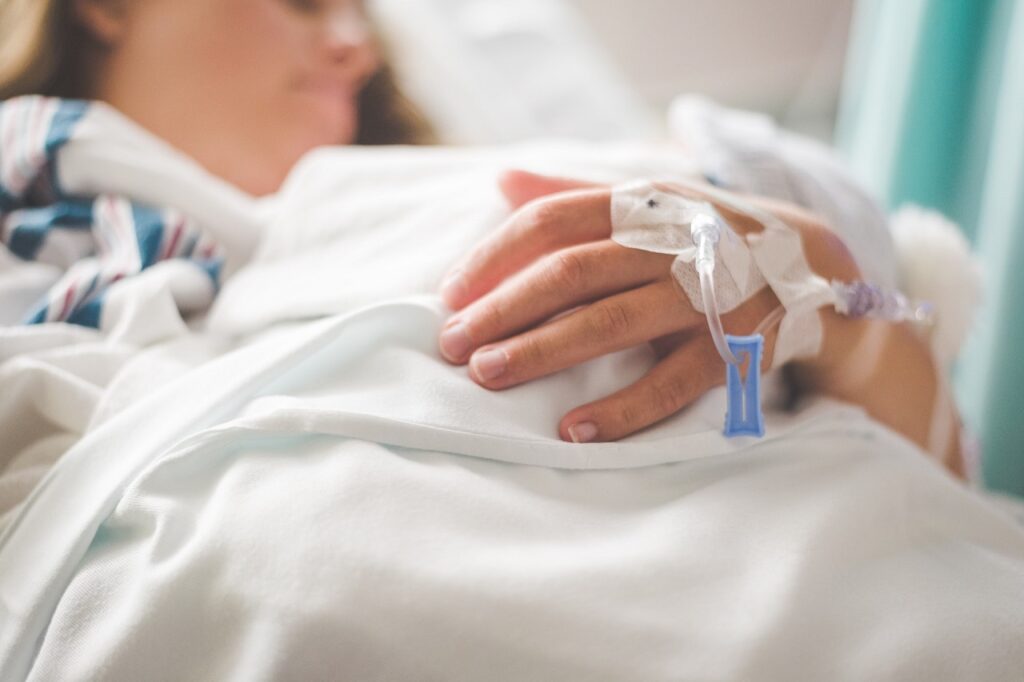
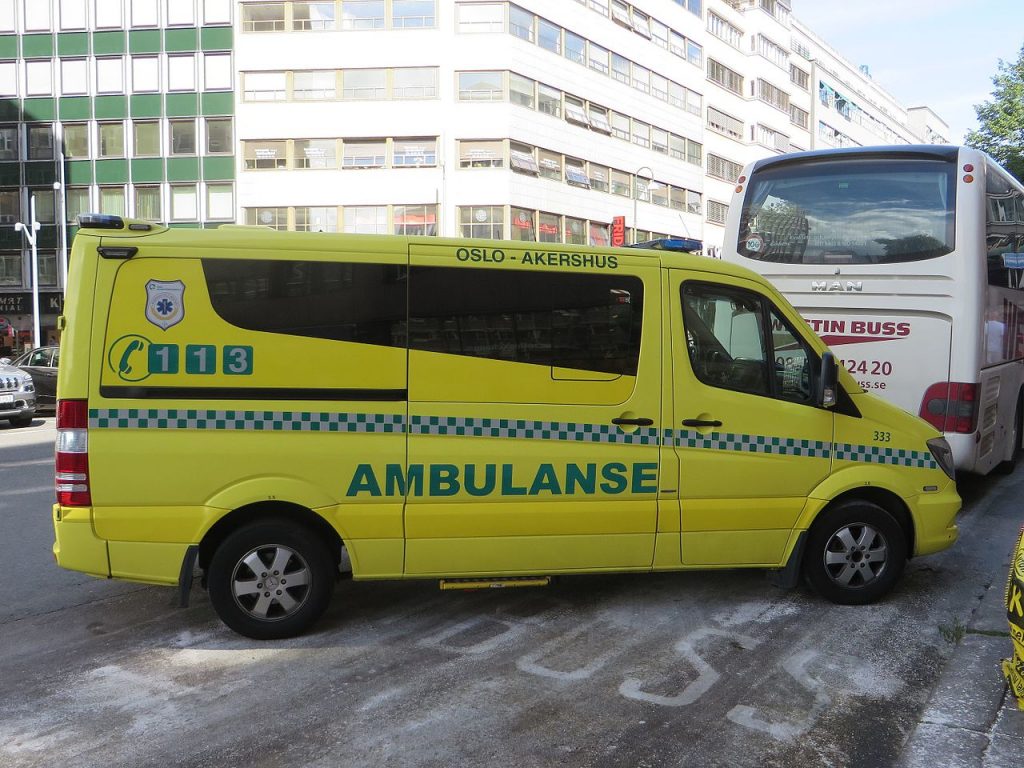
In many countries, ambulance rides and hospital stays can be financially devastating, but in Norway, these essential services are provided free of charge. Whether you are transported by ambulance or admitted to a hospital, you will not receive a bill for these services—food, accommodation, and medical treatment are covered by public funds.
The only exception occurs if a hospital stay lasts less than a day. In such cases, the visit is considered akin to a doctor’s appointment rather than inpatient care, and the co-payment fees previously mentioned must be paid. If you find yourself in a medical emergency, do not hesitate to call the emergency number 113, knowing that the ambulance and hospital services will be available without concern for cost.
How Much Does It Cost to Have a Child in Norway?
Pregnancy and childbirth involve numerous medical procedures, from prenatal checkups to delivery and postpartum care. Thankfully, the Norwegian healthcare system covers these costs comprehensively. Once you are pregnant, the government funds all routine prenatal visits, ultrasounds, and necessary examinations. The childbirth process itself is entirely free, regardless of whether there are complications or the need for specialized interventions.
This system ensures that expectant parents do not face unexpected medical bills during such a critical time. The comprehensive coverage extends to the entire pregnancy and delivery process, relieving significant financial burden from families.

Healthcare for Babies and Children: Costs and Coverage
Children’s healthcare in Norway is predominantly free, with most pediatrician visits costing nothing for children under 16. Parents and guardians can bring their children for medical consultations as often as necessary without worrying about expenses.
Interesting:
- Healthcare in japan is medical care truly free and how does the system work
- Is healthcare in canada truly free a comprehensive overview
- Is healthcare in canada truly free unveiling the realities behind the system
- How the healthcare system operates in south korea is it truly free
- Is healthcare in china truly free unpacking the myth and reality
However, there are some specialized services that might involve costs. For example, eye examinations by an ophthalmologist for young children may require a small co-payment, generally around 250 NOK. These expenses are subsidized, making healthcare for children both accessible and affordable.
Why Does Norway Use a frikort System Instead of Fully Free Healthcare?
The system of paying a fixed amount before reaching a frikort (free card) threshold can seem unusual to foreigners. Many wonder why residents are required to pay up to approximately 3000 NOK annually before receiving full coverage.
This approach is not primarily a funding mechanism, as healthcare is financed through taxes and the Oil Fund. Instead, it acts as a modest barrier to prevent overuse of medical services for minor issues. This system helps reduce unnecessary doctor visits, ensuring that resources are reserved for those with genuine health needs. Importantly, individuals who cannot afford the co-payment can apply for exemptions, ensuring that no one is denied necessary medical care.
Medications also count toward the frikort limit, so if you regularly need prescription drugs, you may reach the threshold quickly, after which further medications are free for the rest of the year.
Is Health Insurance Necessary for Norwegians?
Since the Norwegian healthcare system offers free hospital services and comprehensive support for chronic or disability-related conditions, most Norwegians do not require additional health insurance to access essential medical care. Unlike the United States, where health insurance often determines access to healthcare, Norway’s system guarantees coverage based on residency and tax contributions.
Some individuals opt for supplementary insurance that provides additional financial protection if they are unable to work due to illness or injury. These policies do not influence the quality or availability of medical treatments but can offer financial stability in case of long-term disability.

Can You Pay for Private Healthcare in Norway?
While public healthcare in Norway is highly regarded for its quality and accessibility, private healthcare options are also available. These can be useful for avoiding long waiting times or accessing specialized treatments not readily available through the public system.
Choosing private healthcare involves higher costs. For example, a private GP appointment at clinics like Aleris might cost around 1130 NOK, whereas a similar appointment in the public healthcare system would be approximately 212 NOK. Similarly, consultations with specialists such as neurologists can cost several thousand NOK privately, compared to around 375 NOK publicly.
Opting for private care is a personal choice, often driven by the desire for quicker service or premium treatment, but it comes at a significant expense.
For a deeper understanding of healthcare funding models, including how pre-payment systems work, you can explore this detailed guide. To learn about strategies for improving healthcare efficiency and patient outcomes, visit this resource. Additionally, insights into how the case mix index influences healthcare resource allocation are explained here, while the significance of this index for healthcare planning is discussed in this article.