





Is Healthcare Free in Canada for Immigrants? Yes!
 December 24, 2025
Canada’s healthcare system is renowned worldwide for its accessibility and quality, making it an attractive destination for immigrants. While the system offers extensive medical services, it’s important to understand that healthcare in Canada is not entirely free for everyone. Many newcomers are eligible for publicly funded health coverage, but there are specific rules, waiting periods, and costs to consider. This guide clarifies how healthcare access works for immigrants, the costs involved, and how to navigate the system effectively.
Immigrants moving to Canada often have questions about their healthcare rights and expenses. While many are surprised to learn that some costs may still apply, the good news is that most essential medical services are covered once eligibility is established. Understanding the nuances of Canadian healthcare can help newcomers avoid surprises and make informed decisions about their health coverage options.
Healthcare Access for Immigrants in Canada
Immigrants to Canada are entitled to access public health insurance, but eligibility varies depending on several factors. Generally, newcomers can expect to qualify for provincial or territorial healthcare coverage after a waiting period, which is typically up to three months. During this period, many new residents seek private insurance or pay out-of-pocket for medical services.
To be eligible for provincial or territorial health coverage, individuals must have a valid health card issued by the province or territory where they reside. This card is essential for accessing publicly funded services and must be presented whenever you visit a healthcare provider. Each province manages its own health plan, which explains some differences in coverage and procedures.
Applying for Healthcare Coverage
Getting a health card usually involves submitting an application supported by proof of residency and immigration status. The process can differ from one province to another—for example, applying through Service Ontario in Ontario or through the health authority in British Columbia. The application typically requires documents such as immigration papers, proof of address, and photo identification.
Once registered, most provinces cover the costs of emergency services, hospital stays, doctor visits, and essential medical procedures. However, some services like prescription medications, dental care, and optometry are often not included in basic coverage and may require additional private insurance or out-of-pocket payment.
Variations Across Provinces and Territories
Because healthcare is managed provincially, coverage details and waiting periods can differ. For instance, in Ontario, residents must apply for the Ontario Health Insurance Plan (OHIP) within three months of arrival. Meanwhile, Quebec residents must register for the Régie de l’assurance maladie (RAMQ) within 90 days.
Some provinces may impose longer waiting periods or require additional documentation. It’s advisable to check specific requirements on official government websites such as Ontario’s Ministry of Health or British Columbia’s health services.
Finding Medical Services
Accessing healthcare providers is straightforward thanks to a network of government resources and online tools. Each province and territory maintains a website listing local clinics, hospitals, and specialists. These resources help newcomers locate nearby services efficiently.
You can use your postal code and the type of service needed to search for providers. For example, residents of Nova Scotia can visit Nova Scotia Health, while those in Nunavut can check the Government of Nunavut. Online directories and maps simplify the process of finding family doctors, clinics, or emergency services.
Emergency Medical Care
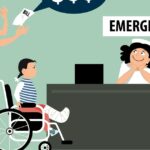
In case of urgent health issues, visiting the nearest hospital’s emergency department is essential. Bring your health card and personal identification to expedite service. Hospital staff will assess your condition and provide necessary treatment, regardless of whether you have insurance coverage at that moment.
For immediate assistance, dial 911 or visit the closest emergency room. Remember that emergency services are accessible to everyone, but costs may accrue if you are not yet covered by provincial health insurance.
Costs and Insurance Options
While many medical services are covered under public health plans, some costs still fall on the patient. For example, prescription medications, dental care, and vision services are often not included in basic coverage and require separate insurance or personal payment.
Prescription Medications
Under the Canada Health Act, hospital-administered drugs are typically free, but outpatient prescriptions often are not. Provincial drug plans determine eligibility and covered medications, which vary across regions. For example, provinces like Ontario, Nunavut, and the Northwest Territories offer some coverage, but conditions differ.
Interesting:
If you lack private insurance or are outside the coverage period, you’ll need to pay out-of-pocket for prescriptions, which can be costly. Therefore, many newcomers consider private health insurance to bridge gaps, especially during waiting periods or for services not covered publicly.
Private Insurance and Additional Costs
Private health insurance can cover services not included by public plans, such as dental, optical, or specialized treatments. Many employers provide supplementary insurance, and newcomers can purchase private plans from providers like Cigna Healthcare or BestQuote.
Without insurance, medical expenses can be overwhelming. For example, a hospital stay or prescription medication after surgery can cost thousands of dollars if paid out-of-pocket. It’s advisable to explore options for private coverage even if you are eligible for public healthcare.
Services Not Covered by Public Insurance
Certain services are excluded from basic public coverage, including dental, eye care, physiotherapy, and some mental health services. Private clinics and insurance plans often fill these gaps, providing more comprehensive coverage.
For more insights into private coverage options, visit deciphering the impact of patient stay duration on healthcare efficiency.
Mental Health and Private Service Options
Mental health services in Canada are accessible through both public and private channels. Many organizations, such as the Canadian Mental Health Association (CMHA) and the Multicultural Mental Health Resource Centre (MMHRC), offer resources tailored for newcomers.
While publicly funded mental health services are available, private providers can offer quicker access and more personalized care. Some private insurance plans include mental health coverage, but it’s important to review policy details beforehand.
Mental Health Resources for Newcomers
Taking care of your mental well-being is crucial, especially during the transition to a new country. Many community organizations and online platforms, like eMentalHealth.ca, help connect immigrants with local mental health professionals.
These resources assist in managing stress, anxiety, and depression, which are common among newcomers adjusting to new environments. Accessing mental health support is vital for overall well-being and successful integration into Canadian society.
Applying for Coverage and Managing Costs
To receive care, you must apply for a health card through your provincial or territorial health authority. The process involves submitting documentation such as proof of residency and immigration status. After approval, the card grants access to covered services.
Keep in mind that some provinces enforce a waiting period—up to three months—before coverage begins. During this time, private insurance or personal savings are essential to cover medical expenses.
It’s also wise to review your options for private insurance to avoid gaps in coverage. Companies like BestQuote and Cigna Healthcare offer plans that can provide peace of mind during the initial months or for services not covered publicly.
Summary: What You Need to Know
- Eligibility: Most immigrants become eligible for public healthcare after a waiting period, usually three months.
- Application: Submit necessary documents to provincial health authorities to obtain a health card.
- Coverage: Public plans cover emergency, hospital, and primary care services but often exclude prescriptions, dental, and optical care.
- Costs: Out-of-pocket expenses can be significant without private insurance, especially for prescriptions and non-covered services.
- Private Insurance: Consider supplementary plans to fill coverage gaps and reduce financial risks.
- Provincial Variations: Healthcare rules and waiting periods differ across provinces, so check local regulations.
- Mental Health: Resources are available to support mental well-being, both publicly and privately.
- Emergency Care: Always accessible, but costs may apply if not yet covered.
For additional information, explore the comprehensive guide to healthcare and insurance options for expats in Aruba or learn about deciphering the effects of patient stay duration on healthcare efficiency. Being well-informed ensures you can navigate Canada’s healthcare system confidently and secure the coverage you need.