






Is a Health Science Degree Considered a STEM Major? An In-Depth Analysis
 December 24, 2025
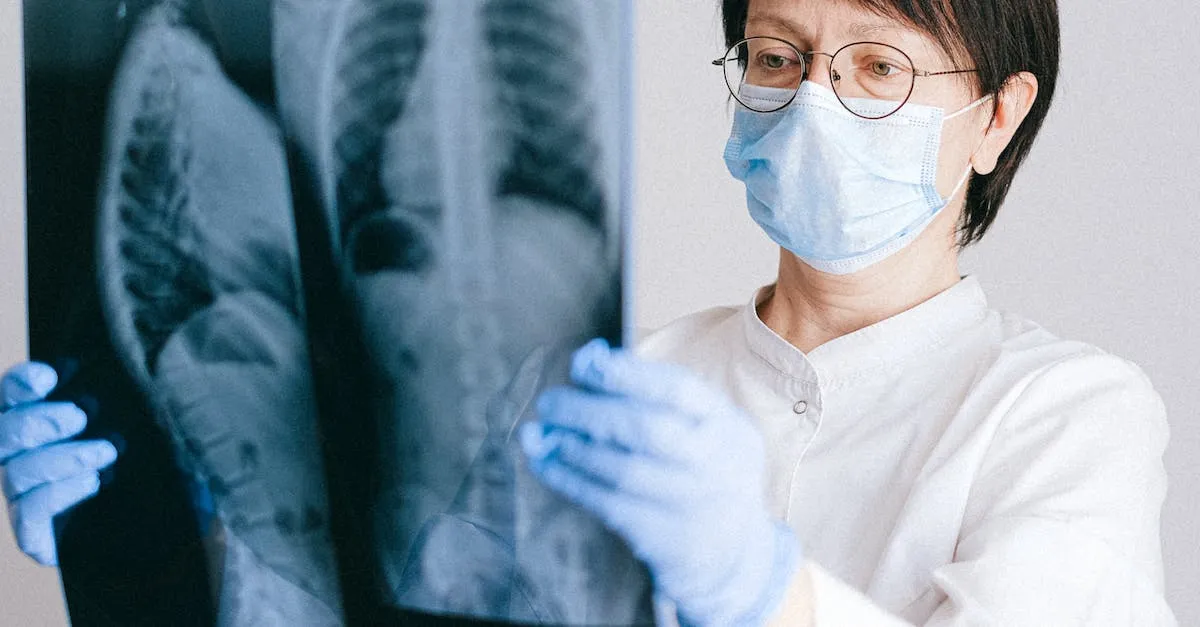
Health science is a rapidly evolving field that bridges the gap between scientific research and practical healthcare applications. Many students interested in healthcare careers wonder whether pursuing a health science degree qualifies as a STEM (Science, Technology, Engineering, and Mathematics) major. While the classification isn’t entirely straightforward, understanding the relationship between health science and STEM can help students make informed decisions about their education and career paths. This comprehensive overview explores the core aspects of health science, its connection to STEM disciplines, and the opportunities it offers.
The world of STEM encompasses a broad spectrum of disciplines that emphasize critical thinking, problem-solving, and innovation. Fields like engineering, computer science, and physical sciences are traditionally recognized as core STEM areas. Health science, however, tends to focus more on applying scientific principles to healthcare settings, which raises questions about its classification within the STEM umbrella. Although health science includes significant elements of science and mathematics, its primary focus on patient care, public health, and biomedical applications makes its STEM status somewhat nuanced.
This article aims to clarify whether health science is a STEM major, examine its interdisciplinary nature, and highlight the skills and opportunities it provides. Whether you’re considering a degree in health sciences or exploring related fields such as biomedical engineering or public health, understanding how health science aligns with STEM can help you capitalize on educational and professional opportunities.
Defining STEM and Its Relevance to Health Science
Overview of Core STEM Fields
STEM, an acronym for Science, Technology, Engineering, and Mathematics, represents a group of disciplines that are integral to technological advancement and innovation. These fields are characterized by their focus on empirical research, quantitative analysis, and problem-solving. Scientific research involves understanding natural phenomena, while technology applies this knowledge to develop practical solutions. Engineering designs and builds systems and devices, and mathematics provides the language and tools necessary for analysis and modeling.
STEM careers are highly valued in today’s economy due to their role in driving innovation, economic growth, and societal development. They include professions such as software developers, mechanical engineers, data analysts, and scientific researchers. The emphasis on analytical skills and technical expertise makes STEM fields attractive for students seeking high-demand, high-paying careers.
The Scope of Health Science Programs
Health science programs are designed to prepare students for careers in healthcare, biomedical research, and health administration. These programs cover a range of disciplines, including medicine, nursing, pharmacy, public health, and biomedical sciences. Curriculum often includes courses in biology, anatomy, physiology, pharmacology, and epidemiology, with practical experiences like clinical rotations or internships.
While health science primarily focuses on healthcare delivery and research related to human health, it also incorporates scientific principles, especially in biological and chemical sciences. Some programs, such as biomedical engineering or health informatics, are explicitly interdisciplinary and include substantial engineering and technological components.
Similarities and Distinctions
Both STEM and health science fields demand a solid foundation in science and mathematics, emphasizing analytical thinking and problem-solving. However, health science tends to be more application-oriented, centered on patient care and public health strategies, whereas traditional STEM fields might focus more on theoretical research and engineering design.
For example, a biomedical engineer uses principles from physics and engineering to develop medical devices, blending engineering with biological sciences. Conversely, a public health professional might focus on epidemiological data analysis and health policy, which, while requiring quantitative skills, emphasizes community health outcomes.
Understanding these nuances helps clarify why health science may or may not be classified strictly as a STEM major, depending on the specific program and focus.
The Role of Math and Science in Health Science Education
Math Foundations in Health Science
Mathematics is essential in health science for conducting research, analyzing data, and making evidence-based decisions. Courses such as statistics and calculus are fundamental components of many health science curricula. Statistical analysis enables healthcare professionals to interpret research findings, assess patient outcomes, and evaluate the efficacy of treatments. For instance, understanding variability in patient responses or calculating risk factors relies heavily on statistical literacy.
Core Scientific Knowledge
Health science majors typically take courses in biology, chemistry, anatomy, and physiology. These classes provide the scientific foundation necessary for understanding how the human body functions, how diseases develop, and how treatments work. Knowledge of pharmacology, microbiology, and pathology further equips students to understand complex medical concepts and prepare for clinical or research roles.
Application of STEM Skills in the Workforce
Graduates utilize their math and science skills daily—analyzing lab results, calculating medication doses, and interpreting clinical research are common tasks. These skills are vital for ensuring patient safety, developing new therapies, and advancing healthcare technologies. Professionals who understand data analysis and scientific principles are better equipped to adapt to innovations like personalized medicine or health informatics systems.
Technology and Engineering’s Impact on Health Science
Technological Innovations in Healthcare
Technology plays a pivotal role in modern health science. Medical imaging techniques such as MRI, CT scans, and ultrasound have revolutionized diagnostics, enabling detailed internal views of the body. These advancements rely heavily on engineering principles and technological development, illustrating the interdisciplinary nature of health sciences.
Medical devices like pacemakers, prosthetics, and robotic surgical systems are engineered to improve treatment outcomes. The collaboration between engineers and healthcare providers leads to innovations that enhance patient quality of life and treatment precision.
Emerging Healthcare Technologies
Technological progress has also facilitated telemedicine, allowing remote consultations and expanding healthcare access, especially in rural or underserved areas. Wearable health monitors track vital signs continuously, providing real-time data to clinicians.
Interesting:
Robotic surgery exemplifies how engineering can lead to minimally invasive procedures with quicker recoveries. While these innovations are transformative, it’s important to recognize that health science integrates both biological sciences and engineering, making it a multidisciplinary field rather than a traditional core STEM area.
Limitations and Interdisciplinary Nature
Unlike traditional STEM fields such as physics or pure engineering, health science encompasses broader disciplines, including social sciences and ethics. This interdisciplinary approach enriches healthcare but also means that health science may not always be classified under core STEM categories. Recognizing this diversity highlights the importance of integrating technology and engineering skills within health sciences to foster innovation.
Classifying Different Concentrations in Health Science
Public Health versus Clinical Practice
A key distinction exists between public health and clinical health sciences. Public health emphasizes disease prevention, health promotion, policy development, and community health initiatives. Careers in this area involve epidemiology, health education, and health policy analysis, often working in government agencies or non-profit sectors.
Clinical health sciences focus on direct patient care, including nursing, medicine, and allied health professions. Professionals in this realm diagnose and treat illnesses, often working in hospitals or clinics.
Overlap with Biomedical and Engineering Fields
Many health science programs intersect with biology and biomedical engineering. For example, biomedical engineering students design medical devices and diagnostic tools, blending engineering principles with biological sciences. Knowledge of these areas opens diverse career paths, from research and development to healthcare management.
Specialized Fields: Imaging, Lab Science, and Bioinformatics
Radiologic technologists operate imaging equipment like X-ray and MRI machines to assist diagnosis. Laboratory scientists analyze biological samples to detect diseases, monitor health, or conduct research. Both roles are crucial for modern healthcare.
Bioinformatics and computational health science utilize computer science and biological data analysis to advance personalized medicine, genomics, and drug discovery. These fields demonstrate the expanding scope of health science in leveraging data and technology.
The Significance of STEM Designation in Health Science
Opportunities for Scholarships and Funding
Being classified as a STEM major enhances access to targeted scholarships and grants. Many organizations prioritize funding for students in STEM fields, recognizing their importance in innovation and research. This support can reduce financial barriers and enable students to pursue advanced training.
Increased Employment Prospects
STEM designation signals to employers that a graduate possesses strong analytical, technical, and quantitative skills. Healthcare employers, research institutions, and biotech companies actively seek graduates with STEM backgrounds, increasing employment opportunities in these competitive fields.
Demonstrating Quantitative and Analytical Competence
A STEM label also reflects proficiency in data analysis, research methodologies, and scientific reasoning. These skills are invaluable in healthcare for interpreting clinical data, conducting research, and implementing evidence-based practices. According to the National Association of Colleges and Employers, STEM graduates tend to command higher salaries and career advancement.
The Growing Importance of STEM Skills in Health Careers
Data Analysis and Evidence-Based Practice
Healthcare increasingly relies on big data, electronic health records, and analytics. Professionals with STEM expertise can analyze complex datasets to identify trends, improve treatments, and optimize patient outcomes. For example, understanding statistical models helps in predicting disease outbreaks or evaluating treatment effectiveness.
Technology Integration in Patient Care
From telehealth platforms to wearable devices, technology enhances the delivery of modern healthcare. Mastery of digital tools, health informatics, and electronic records systems is essential for clinical efficiency and patient safety. Being adept with these technologies is a critical component of contemporary health science careers.
Critical Thinking and Problem-Solving
Healthcare professionals frequently face multifaceted challenges requiring innovative solutions. STEM training promotes problem-solving, critical thinking, and adaptability—skills that are vital for developing new therapies, managing complex cases, and improving healthcare systems.
Conclusion
While traditional definitions might exclude health science from being labeled a pure STEM major, the field increasingly integrates core scientific, technological, and quantitative skills. For students aspiring to careers in healthcare, biomedical research, or health technology, emphasizing the STEM components of their education can open doors to scholarships, advanced training, and high-demand positions.
A health science degree, especially when complemented by specialized coursework and practical experience, can showcase both healthcare expertise and essential STEM skills. Developing proficiency in these areas positions graduates to contribute meaningfully to innovations in medicine and public health, ultimately improving patient care and societal well-being.