


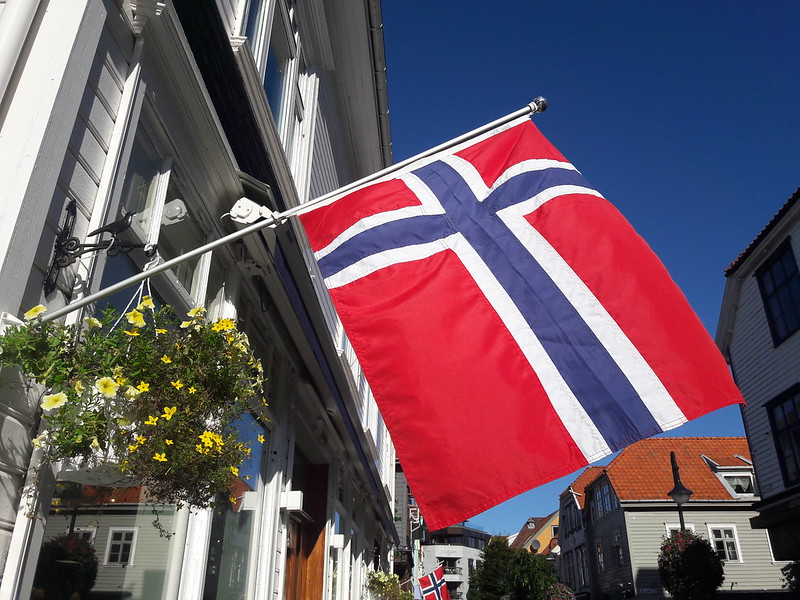
Norway’s healthcare system is renowned for its commitment to providing equitable access to medical services for all residents. Funded predominantly through taxation, it exemplifies a comprehensive welfare model that ensures essential health benefits, social security, and pension coverage—regardless of income levels. While healthcare in Norway is not entirely free, the system is designed to minimize financial barriers, supporting the well-being of its population through well-organized public programs. This overview explores key aspects of healthcare in Norway, highlighting its structure, funding, and ongoing challenges.
8 Facts About Healthcare in Norway
- In Norway, individuals are required to pay out-of-pocket expenses for medical services up to 2040 krone (approximately $210). Once this threshold is met within a calendar year, they receive an exemption card that grants access to free treatment for the remainder of the year. This system helps regulate healthcare costs while ensuring affordability for all.
- The country ranks among the top nations globally in healthcare expenditure on a per capita basis. Currently, Norway allocates about $6,187 per person annually towards healthcare—placing it fourth worldwide. For comparison, the United States spends roughly $10,600 per individual on healthcare, highlighting Norway’s efficient use of resources.
- The Norwegian National Insurance Scheme is centrally managed by the Norwegian Health Economics Administration (Helseøkonomiforvaltningen, HELFO). However, the administration of healthcare services is decentralized and managed by local municipal authorities. Norwegians traveling or living abroad benefit from their membership in the European Economic Area (EEA) and the European Health Insurance Card, which entitles them to similar health services as in other member countries. After residing in Norway for six months, documented immigrants can access public healthcare, whereas visitors from non-EEA nations are responsible for full payment of services.
- While the public healthcare system covers most residents, there is an option to purchase private health insurance. Many opt for private coverage to expedite access to certain procedures or treatments. Approximately 9% of the population has private insurance, which typically costs around 508 krone (about $56) monthly. Most private insurance plans are employer-sponsored, making them a relatively affordable alternative for those seeking quicker healthcare access.
- To address issues related to unemployment and socioeconomic hardship, the Norwegian government has implemented a “Qualification Program.” This initiative aims to reduce social barriers and skill shortages through various activities designed to promote employment. Many participants successfully find jobs within four years, helping to improve their access to healthcare benefits.
- Norway boasts a high life expectancy, with averages of 81 years for men and 84 years for women—ranking the country 17th globally. This longevity is attributed to an active lifestyle, a diet rich in omega-3 fatty acids from fish such as salmon, and a resilient healthcare infrastructure that emphasizes preventive care.
- Despite its strengths, Norway faces certain health-related concerns. While smoking rates have declined, the use of smokeless tobacco products like snus has increased. Snus, which is inhaled, may elevate the risk of oral cancers. Additionally, childhood obesity has become a growing problem, with obesity rates among children aged 5 to 19 increasing by over 50% in the past decade.
- Between 2013 and 2017, pharmaceutical spending in Norway rose by 40%, driven by higher prescription drug consumption. The Norwegian Health Economics Administration oversees medication reimbursement and enforces strict regulations on pharmaceutical distribution. Only authorized community and hospital pharmacies are permitted to dispense medicines within the Norwegian healthcare framework.
Norway’s emphasis on social equality and progressive policies has helped establish one of the world’s most effective healthcare systems. However, challenges such as rising childhood obesity and cancer risks associated with smokeless tobacco persist. The government is actively working to mitigate these issues, including bans on tobacco advertising. While the nation’s high taxes necessary for funding public programs can place a heavier burden on lower-income groups, comprehensive safety nets are in place to support vulnerable populations. Norway’s achievements demonstrate how a strong welfare state coupled with a well-organized universal healthcare system can serve as a model for other nations striving for equitable health access and quality care.
Interesting:
- Key insights into brazils healthcare system and its challenges
- Key insights into perus healthcare system and its development
- Differentiating healthcare payers and providers key insights into the industry
- Comprehensive insights into swedens healthcare system
- Understanding healthcare reform its impact on you and the system
For further insights on healthcare data and privacy, see what is real data in healthcare. Ensuring robust data protection is vital to maintain public trust and secure sensitive health information, which is crucial as digital health initiatives expand. Additionally, exploring the earning potential of specialists like healthcare data analysts can shed light on career opportunities within this evolving industry.